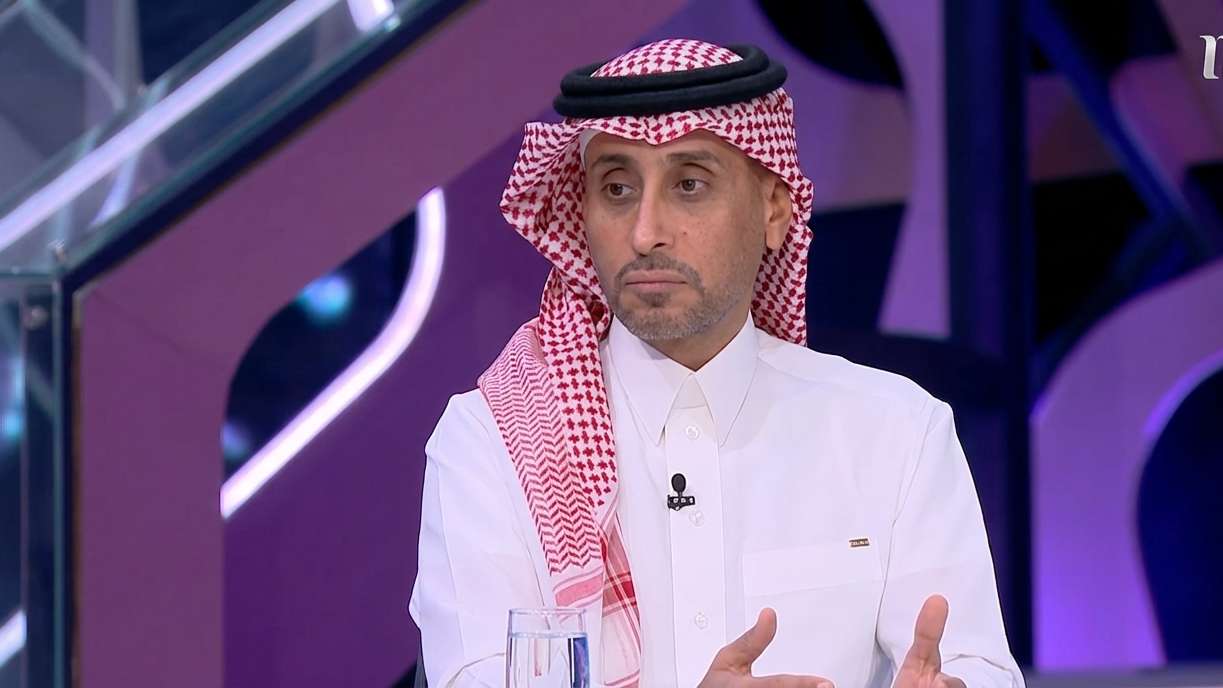

Saudi Football Insights: Sami Al-Jaber Highlights Need for a Clinical Centre-Forward
The world of football is constantly evolving, and for the Saudi national team, recent performances have sparked important discussions about future strategies and player development. Former Saudi football legend Sami Al-Jaber has recently broken his silence on the current state of the team, emphasizing a pressing need for a genuine, goal-scoring centre-forward to elevate Saudi Arabia’s attacking prowess. His candid assessment sheds light on both the team’s recent performances and broader football prediction insights for upcoming tournaments.
Al-Jaber’s Perspective: The Missing Piece in Saudi Arabia’s Attack
In a recent interview on the popular sports program “Nadina,” Sami Al-Jaber expressed concern over the team’s offensive capabilities. “Saudi Arabia currently lacks a lethal striker who is proficient at converting chances and consistently scoring goals,” he remarked. “Unlike in the past, when we had players who could make a decisive difference in front of goal, today’s team is missing that clinical edge.”
This statement resonates deeply within the football community, especially among analysts and fans eager to see their national team thrive on the continental and international stages. Al-Jaber’s insights are particularly relevant as football prediction models increasingly emphasize the importance of a prolific striker in shaping match outcomes and tournament success.
The Challenge of Finding Local Goal-Scorers
Al-Jaber pointed out that while the Saudi league boasts several high-quality foreign forwards, the local talent pool remains a concern. “We have some of the best foreign strikers in our league, but our native players are yet to reach that level of consistency and finishing ability,” he explained. “This gap underscores the need for youth development and strategic talent nurturing to produce homegrown goal-scorers capable of leading the national team.”
This issue is not unique to Saudi football; many nations face similar challenges in cultivating local talent. However, the importance of developing a reliable centre-forward cannot be overstated, especially when considering the team’s recent performance in regional tournaments like the Gulf Cup.
The Gulf Cup Victory: A Sign of Resilience and Emerging Talent
In the opening match of the 27th Gulf Cup, Saudi Arabia secured a narrow 1-0 victory over Kuwait—a result that, while modest, carries significant implications for the team’s confidence and future prediction models. The match showcased a disciplined defensive effort by the Saudis and highlighted emerging stars such as Humam Al-Hammami, whose promising performance could be a beacon for the team’s attacking options moving forward.
Despite the win, Al-Jaber acknowledged the challenges faced by the team. “Kuwait played a very organized defensive game, which limited our chances,” he said. “However, our team showed a different spirit—one characterized by resilience and tactical discipline. These qualities are essential for success in competitive football.”
The Role of Defensive Solidity and Tactical Discipline
Al-Jaber’s praise for the team’s defensive organization underscores a broader trend in modern football prediction: teams that can effectively shut down opponents’ key threats often outperform expectations. The Saudi team’s ability to close down the centre, as observed in the Kuwait match, exemplifies this strategic approach. Such defensive resilience is often a decisive factor in tight matches and can be the foundation for future improvements.
Implications for Future Football Prediction and Tournament Success
Looking ahead, analysts and fans alike are keen to assess how Saudi Arabia can build on this foundation. The key questions revolve around the development of a potent striker and whether the team can sustain their disciplined defensive organization against stronger opponents. Accurate football prediction models suggest that teams with a balance of solid defense and clinical finishing are more likely to succeed in upcoming tournaments such as the AFC Asian Cup or even the FIFA World Cup qualifiers.
Moreover, the emergence of young talents like Humam Al-Hammami offers hope for a more dynamic attack in the future. However, without a proven goal-scorer who can consistently convert chances, Saudi Arabia’s chances in high-stakes matches will remain uncertain. Enhancing local player development, investing in youth academies, and scouting foreign talent strategically will be critical steps forward.
Expert Opinions and the Road Ahead
Football experts and pundits continue to analyze Saudi Arabia’s prospects, emphasizing that success hinges on strategic planning and player development. “The team needs a focal point in attack—a striker who can be relied upon to produce goals under pressure,” said one seasoned analyst. “This will not only improve their prediction outcomes but also boost morale and confidence ahead of major tournaments.”
Looking at the broader picture, Saudi Arabia’s football federation is under increasing pressure to bridge the gap between domestic talent and international standards. Emphasizing the importance of tactical flexibility and mental resilience, they aim to craft a team capable of competing with top Asian and world giants.
Conclusion: A Call for Strategic Focus and Talent Development
In summary, Sami Al-Jaber’s recent comments serve as a wake-up call and a guiding light for Saudi football’s future. While the victory over Kuwait demonstrated resilience and emerging talent, the overarching need for a clinical centre-forward remains paramount. As the team prepares for upcoming competitions, the focus must be on nurturing local talent, refining tactical discipline, and enhancing goal-scoring capabilities.
Football prediction enthusiasts will be watching closely to see how Saudi Arabia evolves, with optimistic projections hinging on strategic improvements and the emergence of a true goal-scoring star. The road ahead is promising but demands concerted effort, strategic vision, and unwavering commitment to elevating Saudi football on the global stage.