
A Historic Return to the World Cup: DR Congo Celebrates Qualification after 50 Years
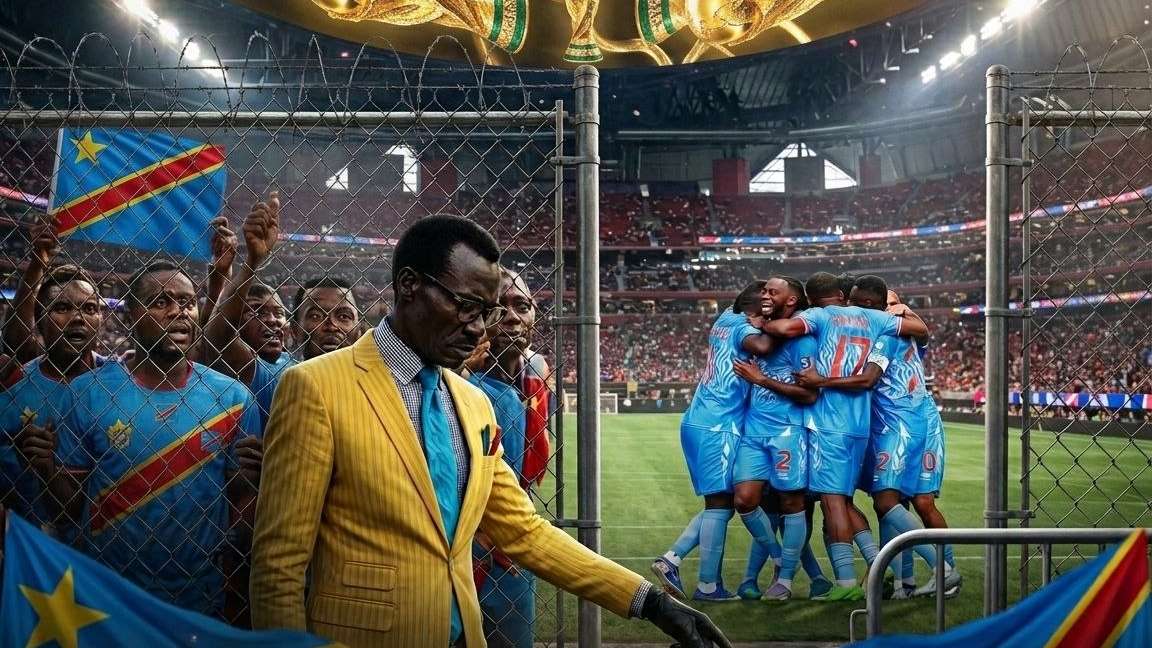
After a long absence from the global stage, the Democratic Republic of the Congo national football team made a triumphant return by qualifying for the 2026 World Cup. The capital city, Kinshasa, was alive with excitement and jubilation as the ‘Lions’ secured their spot in the tournament with a 1-0 victory over Jamaica in the intercontinental play-off.
The streets of Kinshasa were flooded with fans celebrating the team’s historic achievement, marking their first appearance in the World Cup in half a century. Thousands of supporters gathered to welcome the players, who paraded through the city amidst an atmosphere of pride and joy.
A National Celebration
The media and social media platforms were abuzz with clips of striker Cédric Bakambu, who showcased his elation and physical form after missing a recent match for his club, Real Betis. However, reports suggest that Bakambu may also miss an upcoming Europa League quarter-final clash against Braga.
Upon their arrival at Ngeli International Airport, the national team was greeted with a grand official welcome by the country’s president, Félix Antoine Tshisekedi Tshilombo, who congratulated them on their remarkable achievement.
Controversy Amidst Celebration
While the country rejoiced in the team’s success, controversy arose as some European clubs expressed displeasure over the delayed return of their players, Chancel Mbemba and Arthur Masuaku, from the national team. French clubs Lille and Lens were particularly vocal about the situation, citing FIFA regulations regarding player release.
Lille president, Olivier Létang, criticized the Congolese Football Association for keeping the players beyond the permissible time frame, stating, “The Congolese Football Federation unilaterally decided to keep the players until Monday, even though FIFA regulations are clear: players must return to their clubs within 48 hours of the match.”
The case has been escalated to FIFA’s Disciplinary Committee, raising concerns about the implications for clubs and the handling of player obligations.
Looking Ahead to the World Cup
With their qualification secured, the Democratic Republic of the Congo will compete in Group K at the 2026 World Cup, set to be hosted by the United States, Mexico, and Canada. Joining Colombia, Portugal, and Uzbekistan in the group, the ‘Lions’ are gearing up for their second-ever appearance on the global stage.
As preparations begin for the prestigious tournament scheduled between 11 June and 19 July, the nation is filled with anticipation and pride for their team’s return to the World Cup after a monumental 50-year hiatus.
The Rise of DR Congo’s Football Team
The DR Congo national football team’s journey to the 2026 World Cup is not only a triumphant return after five decades but also a story of perseverance and determination. The team’s success can be attributed to a combination of factors, including improved infrastructure, strategic talent development programs, and the dedication of players and coaching staff.
Over the past few years, the DR Congo Football Federation has invested heavily in grassroots initiatives to identify and nurture young talent across the country. This focus on youth development has paid off, with a new generation of skilled players emerging to represent the nation on the international stage.
In addition to nurturing local talent, the national team has also benefited from the experience and expertise of foreign-based players who bring a wealth of knowledge and skill to the squad. Players like Cédric Bakambu, who plays for Real Betis in Spain, have been instrumental in the team’s success, showcasing their talent and leadership on the field.
The Impact of Qualification on DR Congo
Qualifying for the World Cup has significant implications for DR Congo, both on a national and international level. The achievement has brought the country together in celebration, fostering a sense of unity and pride among its citizens. The success of the national team has also put DR Congo on the map in the global football community, showcasing the talent and potential of its players.
Furthermore, the qualification has the potential to boost the development of football in DR Congo, attracting more investment, sponsorship, and opportunities for young players to hone their skills. The increased visibility of the national team on the world stage can also inspire a new generation of footballers in the country, encouraging them to pursue their dreams and strive for excellence.
Challenges and Opportunities Ahead
As DR Congo prepares for the 2026 World Cup, the team faces both challenges and opportunities. The controversy surrounding the delayed return of players to their European clubs highlights the need for clearer communication and coordination between national federations and club teams. Resolving these issues will be crucial to maintaining positive relationships with international clubs and ensuring the smooth participation of players in future tournaments.
On the field, the national team will need to focus on strategic planning, teamwork, and tactical preparation to compete against strong opponents in Group K. Facing teams like Colombia, Portugal, and Uzbekistan will require the ‘Lions’ to bring their A-game and showcase their skills on the world stage.
Overall, the qualification of DR Congo for the 2026 World Cup symbolizes a new era of football excellence and achievement for the nation. The team’s historic return after 50 years serves as a testament to the resilience and passion of the players and fans who have supported them on this incredible journey.
By expanding on the original article with insights into the team’s rise, the impact of qualification, and the challenges and opportunities ahead, readers gain a deeper understanding of DR Congo’s historic return to the World Cup in 2026.