
Dani Carvajal Reflects on Real Madrid Dressing-Room Tension
Former Real Madrid captain Dani Carvajal has offered a candid perspective on the tension inside the club’s dressing room last season, playing down reports of a physical altercation between midfielders Fede Valverde and Aurélien Tchouaméni. While the incident attracted widespread attention, Carvajal said that disagreements between teammates are not unusual in elite football—and argued that the public leak, rather than the confrontation itself, was the more troubling issue.
Carvajal shared his thoughts in a lengthy interview with Manu Carreño on Cadena SER’s El Larguero. The experienced right-back had spent 13 years with Real Madrid’s first team before moving on to a new chapter with Getafe. His remarks offer a rare glimpse into how senior players view conflict behind closed doors at one of football’s most scrutinised clubs.
Carvajal Plays Down the Valverde–Tchouaméni Row
Reports of a heated exchange between Valverde and Tchouaméni became a major talking point during a difficult campaign for Real Madrid. The argument was said to have escalated into a fight, with reports claiming that Valverde suffered a head wound that required stitches. The story quickly fuelled speculation about divisions within the squad, particularly as Madrid finished the season without a major trophy.
Carvajal, however, rejected the idea that the episode represented a lasting split among the players. Drawing on his long experience at the club, he said that confrontations had happened before and did not necessarily lead to serious consequences.
“No, it was not that important at all,” Carvajal said. He added that during his many years at Real Madrid, players had come to blows on several occasions, but the incidents had not permanently damaged relationships or the team’s unity.
His comments provide a useful reminder that intense competition can produce emotional moments, even among teammates. At clubs where standards are exceptionally high, players may challenge one another over performance, effort or tactical decisions. A heated disagreement may be uncomfortable, but it does not automatically mean a dressing room has fractured.
The Leak Was More Concerning Than the Fight
For Carvajal, the most disturbing part of the episode was how quickly details became public. He said the story appeared in the press within roughly half an hour, raising concerns about confidentiality inside the team environment.
“The strange thing about this matter is the leak,” he explained, adding that he believes the dressing room should be able to handle internal issues privately. In his view, the rapid circulation of the story turned a personal disagreement into a public controversy before the players had an opportunity to resolve it themselves.
That concern reflects the realities facing modern football clubs. Social media, constant reporting and intense fan interest mean that even routine disputes can become headline news almost instantly. Once a story reaches the public, it can take on a life of its own, prompting questions about leadership, morale and the manager’s control—even when the players involved have moved on.
Carvajal’s comments do not suggest that conflict should be ignored. Rather, they underline the value of discretion and communication. A team can address disagreements internally, but public speculation may make it harder to restore calm and can place unnecessary pressure on the individuals involved.
A Demanding Season as Real Madrid Captain
Carvajal also described the challenges of leading Real Madrid during a season without silverware. Captaining a club with such high expectations is demanding in any circumstances, but the responsibility becomes even heavier when results fall short and rumours begin circulating about the squad.
He said that serving as captain during his second season without titles was among the difficult aspects of the role. Managing relationships, responding to whispers and maintaining focus required more than simply wearing the armband. At Real Madrid, every setback is closely examined, and players are expected to cope with pressure from supporters, journalists and the club’s demanding standards.
The former captain has often presented his leadership as grounded in humility. He stressed that his experience and status did not entitle him to special treatment. Instead, leadership meant setting an example, listening to teammates and helping the group navigate difficult periods without allowing outside noise to dominate the dressing room.
What the Comments Reveal About Elite Football
Carvajal’s account adds context to the way dressing-room stories are interpreted. A report of a fight can easily become evidence, in the public imagination, of a team in crisis. But professional squads are made up of ambitious players competing under constant pressure, and strong emotions are part of that environment. The more important questions are often what happens afterwards: whether players reconcile, whether standards are upheld and whether the team can refocus on its objectives.
For Real Madrid, the episode unfolded during a season when results and internal dynamics were already under close examination. That combination made the story particularly compelling to supporters seeking explanations for the club’s struggles. Carvajal’s perspective suggests caution: one incident should not be treated as proof of a wider breakdown without considering the broader context.
His remarks may also shape discussion around future Real Madrid matches and team predictions. Supporters assessing the club’s prospects often consider form, injuries, tactics and squad harmony. Carvajal’s comments indicate that a reported confrontation alone may not be a reliable measure of morale. The response of the players and coaching staff, along with performances on the pitch, offers a clearer picture.
A New Chapter at Getafe
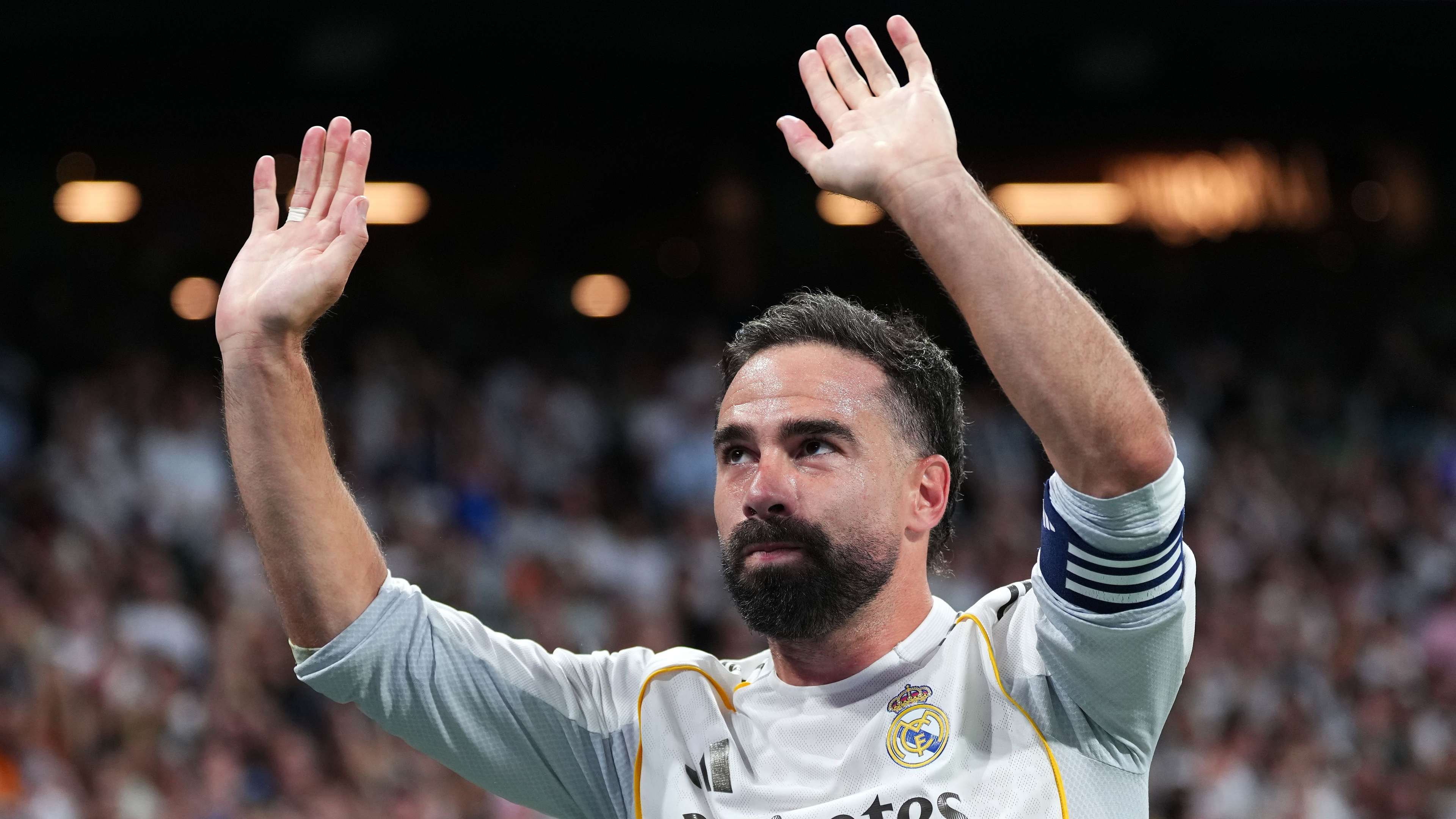
Carvajal has now left the Bernabéu after more than a decade with Real Madrid’s first team and begun a new challenge in a Getafe shirt. His departure closes a significant chapter in a career shaped by major matches, high expectations and years inside one of football’s most closely watched dressing rooms.
By speaking openly about the Valverde–Tchouaméni incident, Carvajal has offered more than a defence of his former teammates. He has highlighted the tension between private team life and public scrutiny, while recalling how difficult it can be to lead during a trophyless season. His central message is measured: disagreements happen in professional football, but a dressing-room leak can turn a manageable internal matter into a much larger story.