
Fouzi Lekjaa Injured in Unexpected Incident at Skhirat Conference: Impact on Moroccan Football and Predictions
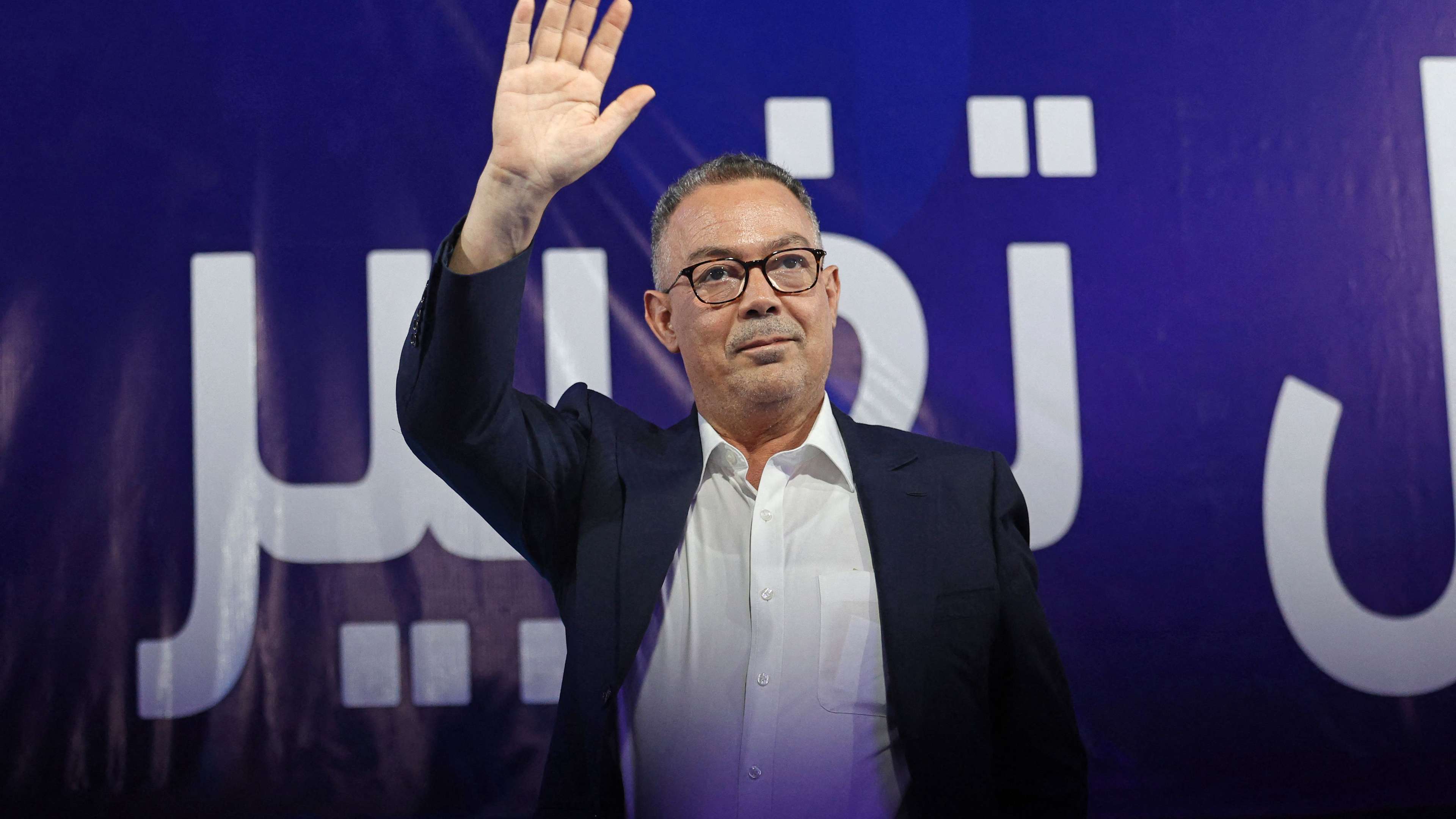
In a surprising turn of events that captured national attention, Fouzi Lekjaa, the influential president of the Royal Moroccan Football Federation (RMFF) and a key figure in the Moroccan government, suffered a head injury following an accidental collision with a glass door. The incident occurred on Saturday evening at the Conference Palace in Skhirat, a city known for hosting significant political and sporting events, and has sparked widespread discussion about the safety protocols at high-profile venues and the implications for Moroccan football’s leadership.
Details of the Incident: A Sudden Accidental Fall
According to reports from the Moroccan news website Hespress, the injury happened during a busy political gathering—an extraordinary session of the National Council of the Authenticity and Modernity Party (PAM). As Fouzi Lekjaa was leaving the event, he attempted to exit swiftly but mistook a transparent glass door for an open passage, running directly into it with considerable force. The incident was captured on multiple social media clips, which vividly show Lekjaa falling to the ground amidst a flurry of concern.
Witnesses recount that the collision caused a significant bleeding wound on his forehead, with blood streaming down his face. The immediate response from nearby attendees and security personnel was swift; they rushed to provide first aid and stabilize him. Medical personnel on-site treated his injury, applying pressure to control the bleeding before he was carefully assisted into a vehicle. He was then transported to a local clinic for further examination, with health authorities prioritizing the assessment to rule out any serious complications.
The Broader Context: A Prominent Figure in Moroccan Football and Politics
Fouzi Lekjaa holds a unique position in Moroccan public life. As president of the RMFF, he has been at the forefront of developing Moroccan football, overseeing national team preparations, league management, and infrastructure projects that aim to elevate the country’s standing in international football. Simultaneously, his role as the minister delegate for the budget in the Moroccan government underscores his influence in shaping national policies, especially those related to sports development and public investments.
Given his prominent dual roles, the incident resonated far beyond the immediate physical injury. Social media platforms and national news outlets quickly discussed the potential impact on upcoming football activities, especially considering the upcoming international fixtures and the ongoing efforts to qualify for major tournaments like the Africa Cup of Nations and the FIFA World Cup.
Impact on Moroccan Football: What’s Next?
In the wake of his injury, there has been an immediate buzz about whether Lekjaa will be able to attend Morocco’s upcoming international matches. Notably, he is expected to be present at the friendly match between Morocco and Mali scheduled for today at the Grand Stade de Tanger, which marks the conclusion of the current international break. His presence is considered vital, both symbolically and operationally, as he continues to play a pivotal role in team management, federation decisions, and football diplomacy.
While there has been no official statement regarding his health status or the extent of his injury, sources close to the federation suggest that Lekjaa’s injuries are manageable, and he is expected to recover soon. Nevertheless, the incident has sparked discussions about safety measures at political and sporting venues, prompting organizers to reevaluate security protocols to prevent similar accidents in the future.
Expert Insights: The Significance of Leadership in Football and Predictions
Fouzi Lekjaa’s injury underscores the importance of strong leadership in Moroccan football, especially amid the challenges of modern sports management. As a seasoned figure, his expertise has contributed significantly to Morocco’s rising stature in international football circles. His absence, even temporarily, could influence strategic decisions, coaching plans, and federation initiatives in the short term.
From a predictive standpoint, analysts and football fans alike are keen to assess how this incident might influence upcoming fixtures. The Moroccan national team, currently ranked among Africa’s top contenders, relies heavily on the support and guidance of its federation leadership. If Lekjaa’s injury restricts his mobility or involvement, it could lead to adjustments in administrative support, coaching decisions, and even tactical planning.
Broader Implications: Safety, Leadership, and the Future of Moroccan Football
This unexpected event also raises broader questions about safety at political and sporting events in Morocco. As the country continues to invest in sports infrastructure and aims to host more international tournaments, ensuring the safety of officials and athletes becomes paramount. It is an opportune moment for organizers to implement more rigorous safety protocols, especially concerning transparent glass doors and other potential hazards in high-traffic areas.
Moreover, the incident highlights the resilience of Moroccan sports leadership. Despite setbacks, the federation and government are expected to work collaboratively to ensure that the injury does not hinder the country’s football ambitions. The current international fixtures serve as a critical testing ground for Morocco’s squad, and the leadership’s stability remains crucial for maintaining momentum.
Final Thoughts: A Resilient Nation and a Passion for Football
As Morocco continues to build its reputation on both political and sporting stages, incidents like these remind us of the human element behind national progress. Fouzi Lekjaa’s injury, while unfortunate, exemplifies the importance of safety and leadership in the pursuit of excellence. Fans and stakeholders are hopeful for his swift recovery, and the football community remains optimistic about Morocco’s upcoming matches.
Looking ahead, the prediction for Moroccan football is cautiously optimistic. The nation’s dedication to nurturing talent, improving infrastructure, and strengthening federation leadership suggests that, despite occasional setbacks, Morocco is poised to remain a formidable force in African and international football. The resilience demonstrated in overcoming this incident reflects the broader spirit of Moroccan sports—one rooted in passion, perseverance, and unity.
Conclusion
The injury sustained by Fouzi Lekjaa at the Conference Palace serves as a reminder of the unpredictable nature of leadership roles at the intersection of politics and sport. While currently focused on his recovery, his presence remains vital for Moroccan football’s future. As predictions for upcoming matches remain positive, the resilience of Morocco’s football federation and its leadership will continue to be a driving force behind the nation’s sporting ambitions. Fans across the country and beyond will be watching closely, hopeful that this incident will be a minor setback rather than a derailment of Morocco’s promising football journey.