
Coman’s decision not to pass to Ronaldo sparks debate after Al-Nassr win
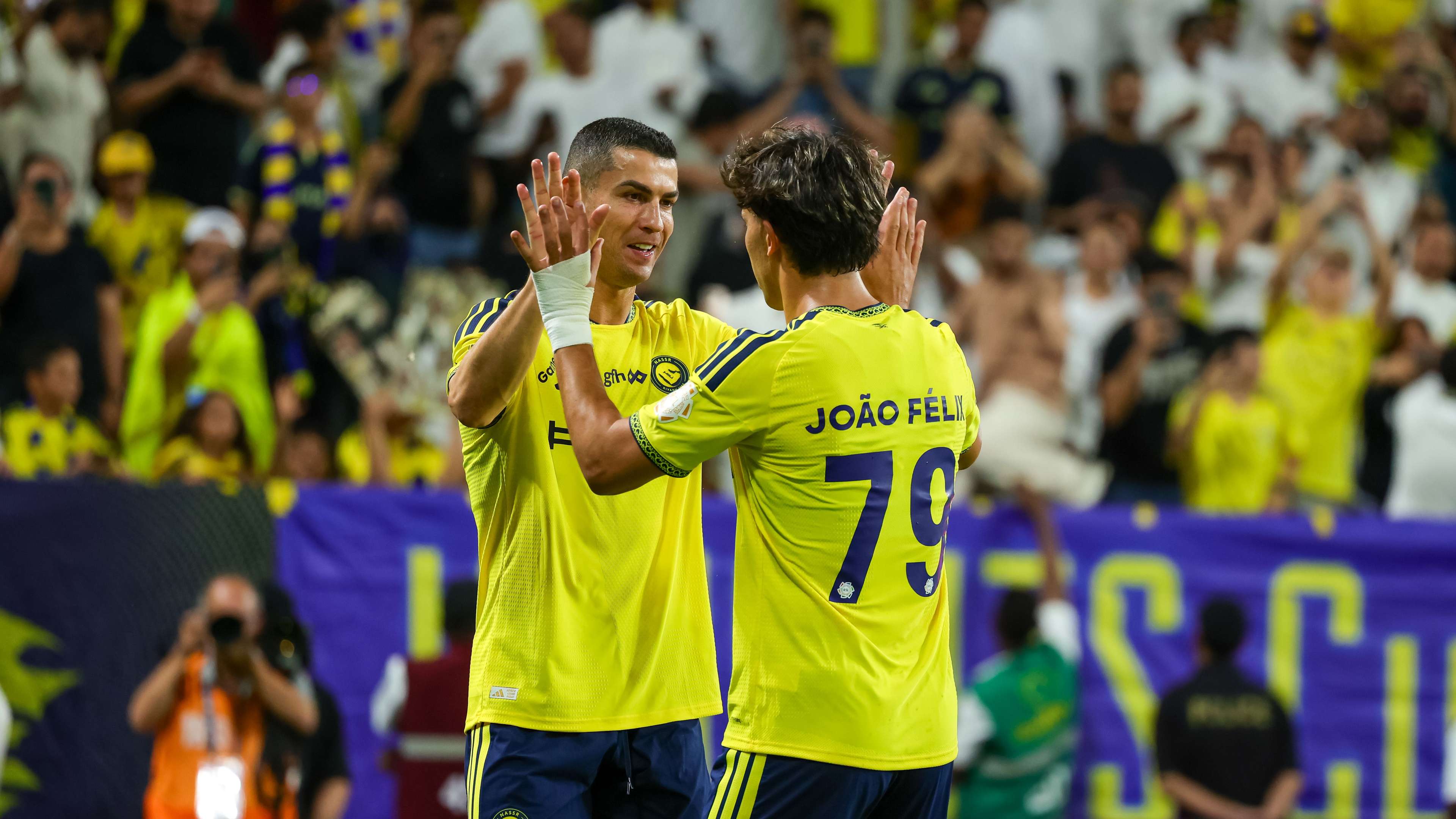
Al-Nassr’s comfortable 3-0 victory over Al-Diriyah delivered another goal for Cristiano Ronaldo—but one attacking moment involving Kingsley Coman drew almost as much attention as the result. With Ronaldo available in a dangerous position, Coman chose to continue the move himself rather than square the ball to his Portuguese teammate. The decision quickly revived a familiar football debate: when does confidence become selfishness, and should a player pass up a chance to score in order to give a teammate a better one?
The incident became a talking point after Al-Nassr’s eighth-round Saudi Roshn League match on Friday evening. Ronaldo had already opened the scoring, helping set the tone for a convincing win. Yet the exchange between Coman and Ronaldo offered a glimpse of the split-second choices that can shape a match—and of the expectations placed on a team featuring one of football’s most prominent goalscorers.
Al-Hraifi says he expected Coman to shoot
Former Al-Nassr player Fahd Al-Hraifi discussed the moment on the television programme Dawrina Ghair. He said he had anticipated that Coman would keep the ball rather than pass it to Ronaldo, although Al-Hraifi believed he would have made the opposite choice if he had been in the Frenchman’s position.
“When Coman broke clear in the attack, I said he wouldn’t pass it,” Al-Hraifi said. “But if I had been in his place, I would have passed to Ronaldo.” He also suggested that Coman may have believed Ronaldo was offside, a possibility that could have influenced the decision in the heat of the moment.
Al-Hraifi’s comments captured both sides of the debate. A pass to Ronaldo might have created a clear scoring opportunity, but an attacker who has space and believes he can finish may reasonably choose to take responsibility. In football, players often have only a fraction of a second to assess a teammate’s position, the defenders closing in and the goalkeeper’s movement. What looks obvious on a replay can be far less clear at full speed.
Pressure, ambition and the instinct to score
Al-Hraifi also pointed to the pressure Coman may be feeling as he seeks to establish himself in the Saudi Pro League. Joining a high-profile club brings opportunity, but it also raises expectations. A new signing is often judged not only on teamwork and movement but on goals, decisive contributions and the ability to make an impact in important moments.
That context may help explain why Coman opted to finish the attack himself. The choice could reflect confidence in his own scoring ability, a natural striker’s instinct or a desire to make his mark in a competitive squad. It does not necessarily prove that he ignored Ronaldo deliberately. At the same time, Al-Hraifi’s view was clear: the passing lane appeared to be available, and he would have used it.
Such moments are especially scrutinised when Ronaldo is involved. His presence naturally draws attention from defenders, teammates and supporters, while his record as a prolific scorer means fans often expect the ball to reach him near goal. That expectation can create a difficult balance for fellow attackers: they must recognise Ronaldo’s positioning without becoming hesitant or abandoning their own opportunities.
Ronaldo remains central to Al-Nassr’s attack
Whatever the disagreement over Coman’s decision, Ronaldo enjoyed a productive night against Al-Diriyah. He scored the opening goal and remained involved in Al-Nassr’s attacking play, showing the energy and confidence that have made him a central figure in the club’s push for success. Al-Hraifi also praised Ronaldo’s attitude, describing his morale as excellent and noting that he both scored and helped create opportunities.
The goal added another milestone to Ronaldo’s ongoing pursuit of 1,000 career goals, a target that continues to attract attention whenever he finds the net. His progress gives each appearance an additional storyline, but the broader challenge for Al-Nassr is to build a balanced attack in which multiple players can contribute. A team cannot rely on one scorer alone, particularly over a long league campaign.
For Coman, the incident may ultimately matter less than how he responds in future matches. If he continues to create chances, combine effectively with his teammates and deliver goals, one disputed decision is unlikely to define his season. If similar situations recur, however, questions about decision-making and attacking chemistry could become a more persistent part of the conversation.
What the moment means for Al-Nassr’s title ambitions
Al-Nassr’s 3-0 result keeps the focus on the team’s positive momentum as it pursues a place at the top of the Saudi Roshn League. Strong results are important, but so is the way the club’s attacking players work together. The best sides combine individual confidence with an understanding of when to release the ball, stretch the defence or take a shot.
For supporters looking ahead, the next test will be whether Al-Nassr can carry its form into upcoming domestic and continental fixtures. Any football prediction about the club’s title chances will depend on more than Ronaldo’s scoring record: squad depth, consistency, fitness and the connection between attacking players will all matter. Coman’s choice against Al-Diriyah is therefore a small but revealing snapshot of the decisions that can influence a team’s rhythm.
In the end, the debate may have no definitive answer. Coman saw an opportunity to finish, while Al-Hraifi believed Ronaldo was the better option. Ronaldo, meanwhile, responded with a goal and an upbeat performance, and Al-Nassr secured a convincing victory. The result offered the clearest takeaway of the evening: despite the discussion surrounding one attack, the team’s momentum—and its ambitions—remain firmly intact.