
Egyptian Football Federation Faces Internal Turmoil Amid Controversies and Organizational Challenges
In the world of football, national teams often encounter hurdles beyond the pitch—ranging from organizational mishaps to internal conflicts. Recently, Egypt’s football community has been embroiled in a series of behind-the-scenes crises that have sparked widespread discussion among fans, analysts, and officials alike. The recent trip to face South Sudan in the 2027 Africa Cup of Nations qualifiers provided a stark glimpse into these issues, raising questions about the federation’s management, team cohesion, and future predictions for Egyptian football.
Unpacking the Controversy: Organizational Errors and Leadership Concerns
At the heart of this turbulent period is Khaled El-Darandaly, the vice-president of the Egyptian Football Association (EFA), who took the unprecedented step of revealing the internal chaos that marred the national team’s recent journey. As the head of the delegation to South Sudan, El-Darandaly shed light on a series of organizational missteps that, while not directly involving the technical staff, have nonetheless cast a shadow over Egypt’s football governance.
In an exclusive interview with the “On Sport” channel, El-Darandaly detailed how delays in arrival and lapses in protocol led to friction within the team’s hierarchy. He explained, “There was no direct overstepping by Egypt’s technical staff, but there was an administrative and organizational error. The technical staff and players arrived late to the airport, and according to protocol, they should have greeted me as the head of the delegation before traveling.”
Behind Closed Doors: Internal Tensions and the Role of Key Figures
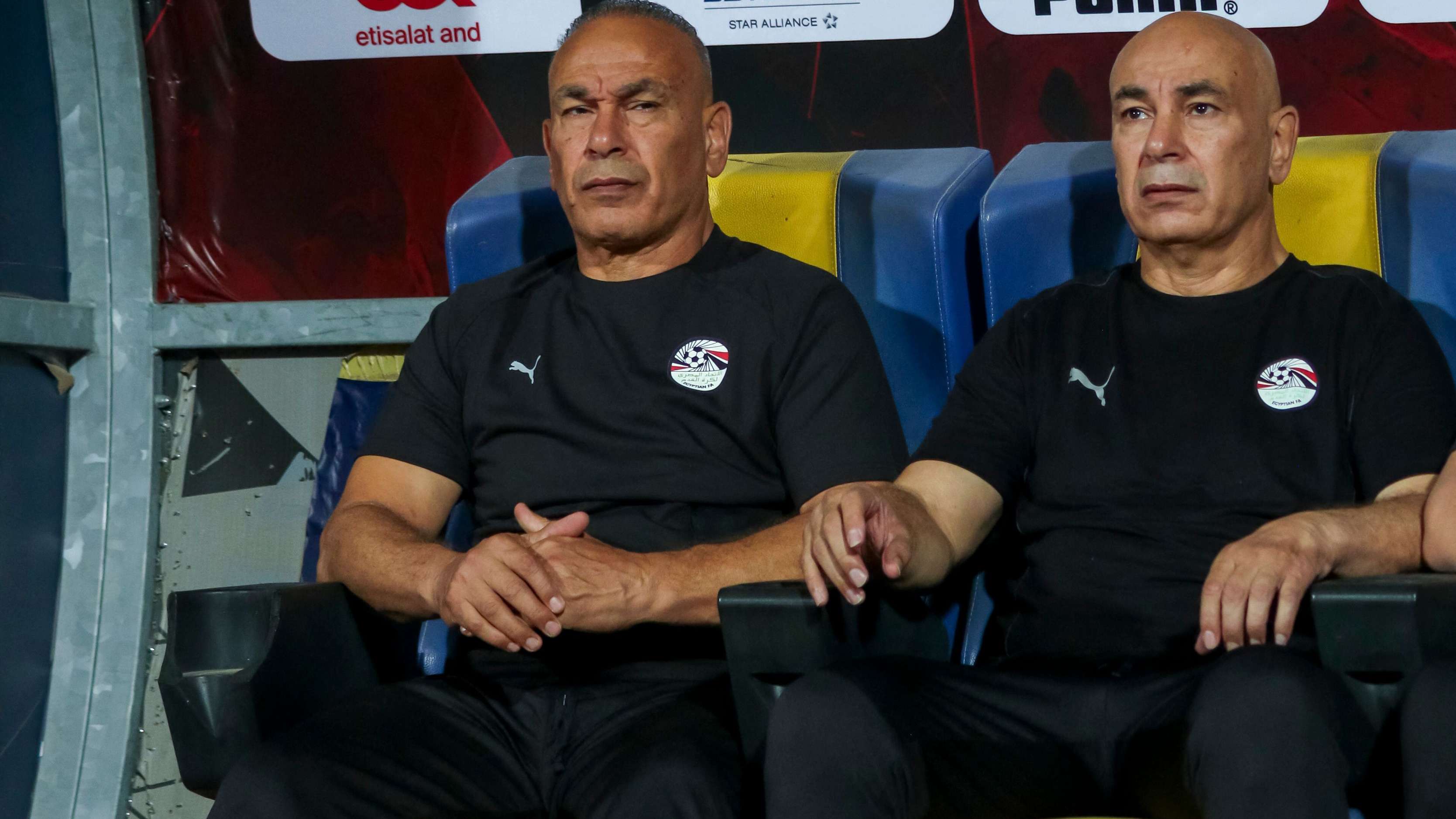
Further complicating matters, El-Darandaly revealed that he received subtle yet unmistakable messages from prominent figures like Hossam and Ibrahim Hassan, which were addressed to the Football Association. These signals hinted at underlying tensions and disagreements, as the delegation members seemed to diverge in their approach and communication during the flight. Such discord underscores the fragility of team unity and highlights the need for cohesive leadership.
“We spent the entire flight with each party heading in a different direction,” El-Darandaly noted, emphasizing the dissonance that can occur when internal communication breaks down. Despite these challenges, he maintained a calm demeanor, prioritizing the reputation of Egypt’s football and ensuring organizational matters were addressed immediately upon arrival.
The Importance of Protocol and Respect Within the Team
El-Darandaly further highlighted the importance of maintaining proper protocol, especially when representing Egypt on the international stage. He took deliberate steps to segregate the players and technical staff from officials and guests in dining areas, to prevent unnecessary conflicts or misunderstandings. His emphasis on professionalism underscores Egypt’s commitment to upholding its image, even amid internal disputes.
“There was no communication between me and the technical staff after the South Sudan match,” he clarified. “Dealing with the players was proceeding normally, and the greetings between us continue as always.” He also pointed out that there was no contact between Mohamed Salah—the star player—and Hany Abo Rida, the association’s president, regarding the ongoing issues, dispelling rumors of discord at the highest levels.
Future Prospects: Will the Technical Staff Survive the Crisis?
The controversy has raised questions about the stability of Egypt’s technical staff and whether they will remain in their roles moving forward. El-Darandaly provided a cautious outlook, stating, “There is no current talk of the technical staff leaving, but a decisive stance will be taken if the situation warrants it. There are some unusual matters that need correction, and we will address them promptly.”
He also emphasized that the federation’s board members have been actively involved in training sessions, demonstrating commitment to the team’s development. However, he criticized the dissemination of news about the team’s arrival and departure, which often omits the name of the delegation head. “Such practices create needless problems and undermine authority,” he argued.
Addressing the Media and Internal Disputes
Reports circulated suggesting that the Egyptian Football Association’s public backing of goalkeeper Mohamed El-Shenawy had angered coach Hossam Hassan, who publicly criticized the player. El-Darandaly responded firmly, stating, “The association’s support for El-Shenawy was a natural decision, made with the approval of all board members. There is no internal conflict on this matter.”
This incident underscores the ongoing tensions between different factions within Egyptian football, where media narratives often amplify disagreements, complicating the federation’s efforts to maintain unity.
Upcoming Fixtures and Predictions: What to Expect in Egyptian Football
Looking ahead, Egypt is preparing to face South Africa in a friendly match scheduled for Sunday at Cairo Stadium. This fixture serves as a crucial opportunity for the team to build cohesion and assess their readiness ahead of more competitive fixtures. Fans and analysts are eager to see how the team responds to recent internal challenges and whether the predictions for upcoming football matches will favor the Pharaohs.
In terms of predictions, the South Africa encounter is expected to be a tightly contested game, with many football experts suggesting a balanced matchup given the teams’ recent form. Egypt’s recent performances in qualifying rounds and friendlies point to a team capable of executing strategic plays, but internal discord could influence the outcome.
Broader Implications for Egyptian Football and Future Predictions
This internal crisis within the Egyptian Football Federation highlights broader issues facing African football nations—namely, governance, communication, and leadership stability. Football prediction models for Egypt’s future performances must now account not only for tactical and player form but also for the organizational health of the federation itself.
As Egyptian football navigates this turbulent period, stakeholders are calling for reforms to improve transparency and communication. Strengthening internal structures and ensuring that all officials and staff work cohesively will be vital for future success, both on the continental stage and in global competitions.
Conclusion
The recent revelations about internal conflicts, organizational errors, and leadership disputes have cast a spotlight on the complexities of managing a national football team. While Egypt’s team continues to hold its place among Africa’s football giants, internal stability remains essential for sustained success. Fans, analysts, and officials will be watching closely as the federation works towards resolving these issues, with upcoming matches serving as both tests of resilience and opportunities for redemption.
In the ever-evolving landscape of football prediction, Egypt’s future will depend on their ability to unify behind a clear vision, enhance organizational integrity, and foster a culture of professionalism. As the team prepares for their upcoming fixture against South Africa, the hope is that internal challenges will be addressed swiftly, allowing Egyptian football to regain its momentum and continue competing at the highest levels.