
Football Prediction and Media Dynamics: The Controversial Exit of Estevana Polman from Vandaag Inside
The world of football is often intertwined with media personalities, pundits, and former athletes who bring their insights and personalities to the forefront of sports talk shows. One such figure, Estevana Polman—formerly a prominent handball player—made headlines recently following her brief stint on the popular Dutch talk show Vandaag Inside. Her departure not only stirred discussions about media expectations but also highlighted the complex dynamics of integrating personalities from different sports backgrounds into mainstream football commentary. This article delves into the circumstances surrounding Polman’s exit, the debates it sparked about media responsibility, and what it signifies for the future of sports prediction and analysis in television.
Background: From Handball to the Spotlight
Estevana Polman, well-known in the handball community for her impressive career and achievements, was invited to participate in Vandaag Inside with the expectation of bringing a fresh perspective to football-related discussions. Her role was intended to be monthly, offering insights that could bridge the worlds of handball and football, potentially enriching the show’s content with her unique sports expertise. However, her tenure was short-lived, culminating in her decision not to return after a series of public and behind-the-scenes controversies.
The Media’s Role and Expectations
The departure of Polman has reignited debates about the responsibilities media outlets and talk shows hold when integrating new personalities, especially those transitioning from other sports. Critics argue that in such cases, clear communication and support are essential to help newcomers find their footing. Unfortunately, in Polman’s case, it appears there was a mismatch between expectations and the reality of her comfort and expertise in football discussions.
René van der Gijp’s Comments: Clarifying Misunderstandings
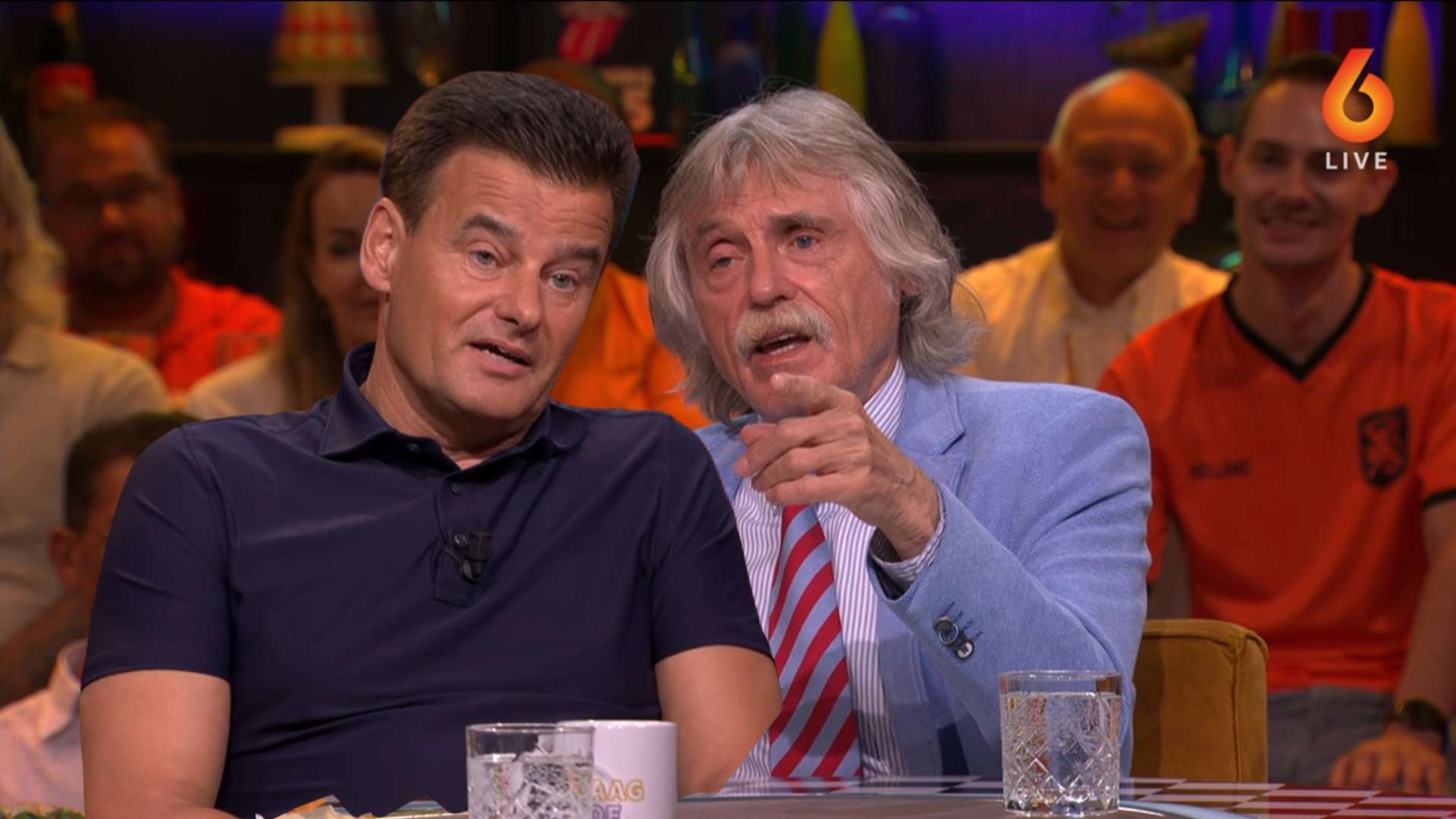
Central to the controversy was the interpretation of remarks made by René van der Gijp, a seasoned football pundit and regular guest on Vandaag Inside. Van der Gijp expressed doubts about Polman’s role, emphasizing that he had only intended to temper high expectations. “I only said that when she was announced here at the table, I heard everyone saying things. Then I said straight away: as long as the bow isn’t too tightly drawn. If expectations become too high, you cannot live up to them,” van der Gijp explained. He insisted that his comments were not an attack on Polman but rather a cautionary note about managing expectations in media appearances.
He further clarified, “People thought I was talking about expectations of me. But I wasn’t talking about me,” highlighting the common misinterpretation that often accompanies public statements about media figures. His intent was to emphasize the importance of realistic expectations rather than criticize Polman herself.
Johan Derksen and Media Criticism
Johan Derksen, another influential figure on the show, weighed in on the situation, acknowledging that Polman’s limited experience in football discourse contributed to the challenges faced. “The awkward thing is: that girl was entitled to a probationary period of six months. We should really have seen that through and coached her a bit to get her up to standard. But now she is actually the victim. I do find that awkward,” Derksen stated. His comments reflect a broader concern about how media outlets and hosts handle new talent, especially those unfamiliar with the nuances of football analysis.
Adding to this, De Snor (a fellow panelist) noted, “It did not go as it should have done,” implying that the integration process could have been better managed. The consensus among the panel was that Polman’s exit was, in part, a result of inadequate support and coaching, rather than solely her performance.
Potential for Future Involvement and Polman’s Perspective
Despite her departure, there remains an open door for Polman to return to Vandaag Inside as a guest, perhaps in a more informal capacity. Her experience has shed light on the importance of proper onboarding and realistic expectations when involving personalities from different sports backgrounds in football prediction and analysis shows.
In an interview with RTL Boulevard, Polman expressed her feelings about the situation, stating, “I was pushed too much into the substantive corner, and that was not discussed that way beforehand. I don’t want to take part in that.” She also mentioned that she was still exploring whether she felt comfortable participating in such discussions, highlighting the need for clear communication and mutual understanding in media collaborations.
Implications for Football Prediction and Media Engagement
This controversy underscores a broader issue in the media landscape—how sports talk shows, especially those focused on football prediction, manage the inclusion of new voices. Football, being a globally popular sport, attracts a diverse range of analysts, ex-players, and media personalities. The key to success lies in balancing authenticity, expertise, and audience expectations.
In recent years, the rise of digital platforms and social media has increased the demand for fresh perspectives in football prediction. Fans and bettors alike seek insightful, engaging analysis that can inform their predictions for upcoming matches, tournament outcomes, and transfer rumors. Shows like Vandaag Inside and others have a responsibility to foster an environment where new talents can grow and contribute meaningfully without undue pressure or misinterpretation.
The Future of Sports Media and Predictions
Looking ahead, the case of Estevana Polman serves as a learning moment for media organizations involved in football prediction and analysis. It emphasizes the importance of providing proper training, setting realistic expectations, and offering ongoing support for personalities transitioning from other sports or media backgrounds.
Moreover, as the industry evolves, integrating diverse voices can enrich football coverage, making predictions more nuanced and engaging. Whether it’s former athletes, sports scientists, or media personalities like Polman, fostering an inclusive environment benefits viewers by offering broader perspectives and deeper insights.
Conclusion
The departure of Estevana Polman from Vandaag Inside highlights the intricate balance required in sports media—particularly when it involves football prediction and analysis. Her experience underscores the necessity for clear communication, proper onboarding, and managing expectations in a highly competitive and scrutinized industry. As football continues to dominate the sports world and media platforms seek innovative ways to engage fans, learning from such incidents can pave the way for more inclusive, supportive, and insightful coverage.
Ultimately, the goal remains to provide fans and viewers with accurate, entertaining, and thought-provoking content that enhances their understanding of football—whether through prediction, analysis, or storytelling. With ongoing efforts to refine media practices, the future of football commentary promises to be more diverse, respectful, and enriching for all involved.