
Virgil van Dijk Responds to Manchester City’s Premier League Case
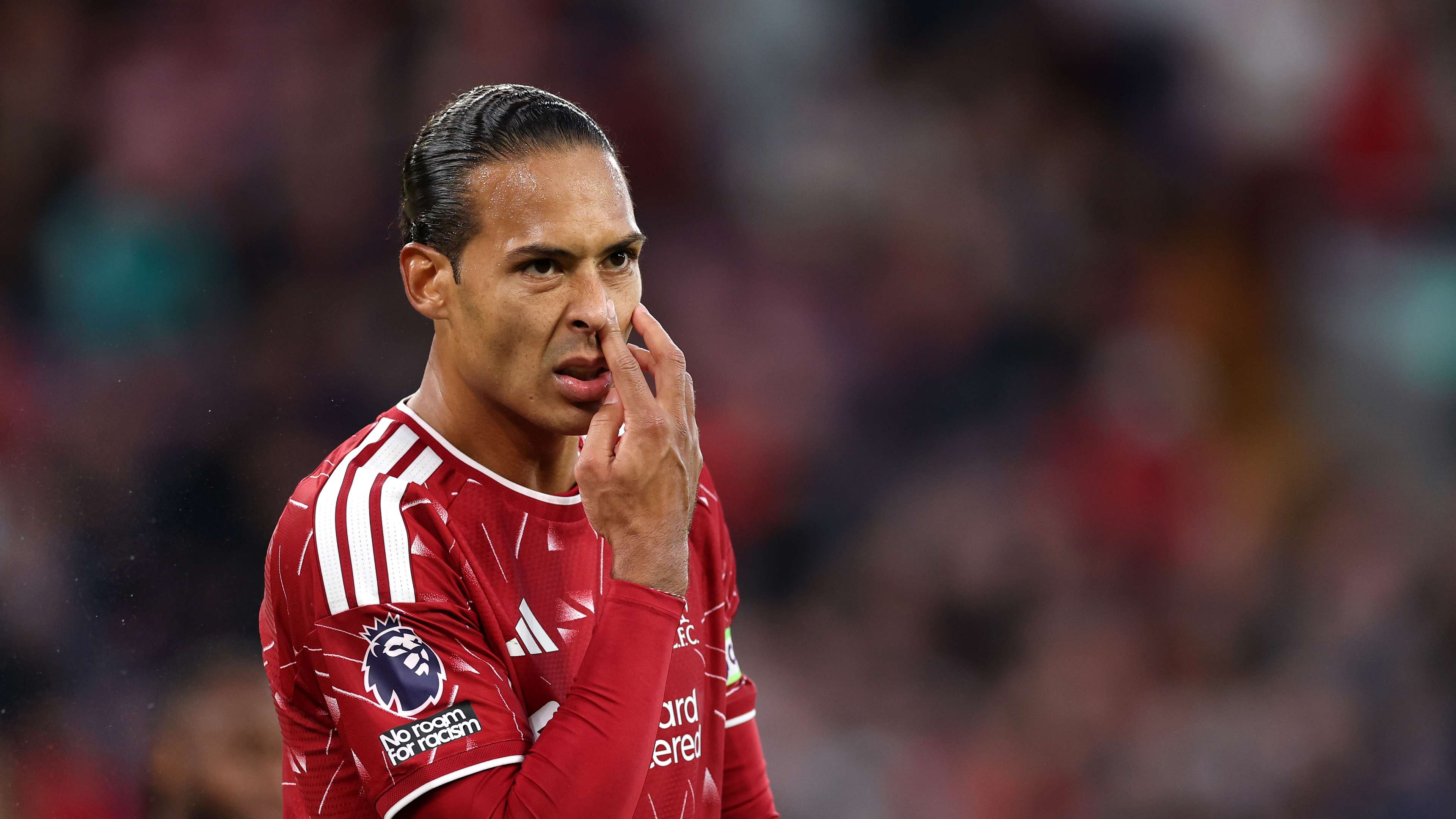
Liverpool captain Virgil van Dijk has offered his first public comments on Manchester City’s case concerning alleged breaches of Premier League financial regulations, but the Dutch defender has stopped short of discussing its details. While acknowledging the intense rivalry between the clubs, he suggested that it would be premature to draw conclusions or turn the matter into a talking point on the pitch.
The case has attracted significant attention across English football because of the potential consequences for Manchester City and the wider Premier League. Yet Van Dijk’s measured response reflects the difficulty of commenting on a complex process while it is still being considered. His remarks also highlight the distinction between sporting rivalry and formal legal or regulatory proceedings.
A Careful Response from Liverpool’s Captain
Van Dijk is no stranger to high-pressure football conversations. As Liverpool’s captain, he regularly speaks on behalf of a club whose battles with Manchester City have helped define the Premier League title race in recent seasons. Even so, he made clear that he was not ready to examine the substance of the case or speculate about what might happen next.
That caution is understandable. Financial-regulation proceedings can involve extensive evidence, detailed rules and arguments from multiple parties. Until the relevant process reaches a clear outcome, public commentary risks confusing allegations, findings and possible consequences. Van Dijk’s decision not to go beyond acknowledging the rivalry keeps his comments focused and avoids treating an unresolved matter as a settled sporting result.
His response does not diminish the importance of the case. Instead, it recognises that the questions involved are bigger than a single match or a title race. The Premier League’s rules apply across its member clubs, and any decision may have implications for how financial compliance is monitored and enforced throughout the competition.
Why the City-Liverpool Rivalry Matters
Manchester City and Liverpool have been among the most prominent forces in English football over the past decade. Their contests have often carried major consequences, with both sides competing for league titles, domestic cups and places among Europe’s elite. Their meetings are therefore followed closely by supporters, analysts and neutral fans alike.
The rivalry has been shaped by contrasting strengths as well as close results. Liverpool have built their identity around intensity, pressing and rapid transitions, while City have become known for sustained possession, tactical flexibility and depth across the squad. Those differences have made their head-to-head fixtures compelling, but the competition has also remained respectful between many of the players and coaches involved.
That context helps explain why Van Dijk’s comments attracted attention. Any development involving City is likely to be viewed through the lens of the title race, particularly by supporters of rival clubs. However, a regulatory case should not be confused with match analysis. A football prediction about an upcoming fixture depends on factors such as form, injuries, tactics and home advantage; it cannot be responsibly based on speculation about a separate legal process.
Understanding the Premier League Financial Regulations
Financial regulations are designed to support the long-term stability and competitive integrity of professional football. They can cover areas such as financial reporting, club ownership disclosures, sponsorship arrangements and compliance with league requirements. The details of any specific case depend on the rules in question and the evidence presented, which is why careful language matters when discussing proceedings.
For fans, the subject can be difficult to follow because regulatory matters do not unfold like a normal match. There may be formal submissions, legal arguments and procedural stages before a final decision is reached. Different outcomes can also carry different consequences, depending on the nature of the findings and the regulations involved. Until the process is complete, predictions about sanctions or their effect on league standings remain uncertain.
The case has also renewed discussion about transparency in football governance. Supporters want to know that rules are applied consistently, while clubs need a process that is fair, evidence-based and conducted without prejudgment. Those principles are important for maintaining trust in the Premier League, regardless of which club is involved.
What the Case Could Mean for the Premier League
The eventual resolution may be closely watched not only by City and Liverpool fans but by the wider football community. A high-profile case can influence how clubs interpret their responsibilities and how the league communicates its regulatory standards. It may also prompt renewed questions about whether existing rules are clear enough and whether enforcement procedures are sufficiently transparent.
However, the immediate sporting picture remains separate from the regulatory one. Manchester City’s performances are judged on the pitch, where tactics, player availability and consistency shape results. Liverpool’s ambitions likewise depend on their own football, including defensive organisation, midfield control and the ability to convert chances. Van Dijk’s comments offer no shortcut to predicting how either team will fare in future matches.
For supporters seeking a reliable football prediction, the strongest approach is to assess current evidence rather than rely on headlines. Recent form, the quality of opposition, expected line-ups and the tactical match-up are all more useful indicators of a fixture’s likely direction. Regulatory developments may affect the broader conversation around the league, but their sporting impact cannot be assumed before the relevant process has concluded.
Rivalry Without Premature Conclusions
Van Dijk’s restrained response reflects the position of a senior player navigating a sensitive issue. He acknowledged the fierce competition between Liverpool and Manchester City without allowing that rivalry to dictate his view of a case that requires careful examination. That distinction is significant in a football environment where every comment can quickly become a headline.
For now, the focus remains on the process and on the clubs’ responsibilities under Premier League rules. Fans can expect continued debate as more information becomes available, but conclusions should be based on confirmed developments rather than assumptions. In the meantime, Liverpool and City will continue to be measured by their performances, their results and their pursuit of success in one of the world’s most competitive leagues.