
Feyenoord Edge Como 1907 in Five-Goal Thriller as Valente Injury Raises Concern
Feyenoord earned their first victory of the Champions League campaign with a lively 3-2 win over Como 1907 on Wednesday evening. The result gave the Dutch side a valuable lift in Europe, but the celebrations were tempered by an injury concern involving midfielder Luciano Valente, who did not return for the second half.
The match delivered attacking football, momentum swings and a standout display from Anis Hadj Moussa. Feyenoord showed the pressing intensity their coach wants to see, while Como remained dangerous enough to keep the contest close until the final whistle. For supporters following the Champions League, the result offered plenty to assess—not only in terms of the scoreline, but also Feyenoord’s form and the possible impact of Valente’s condition on upcoming fixtures.
Valente Withdrawn as Feyenoord Take a Cautious Approach
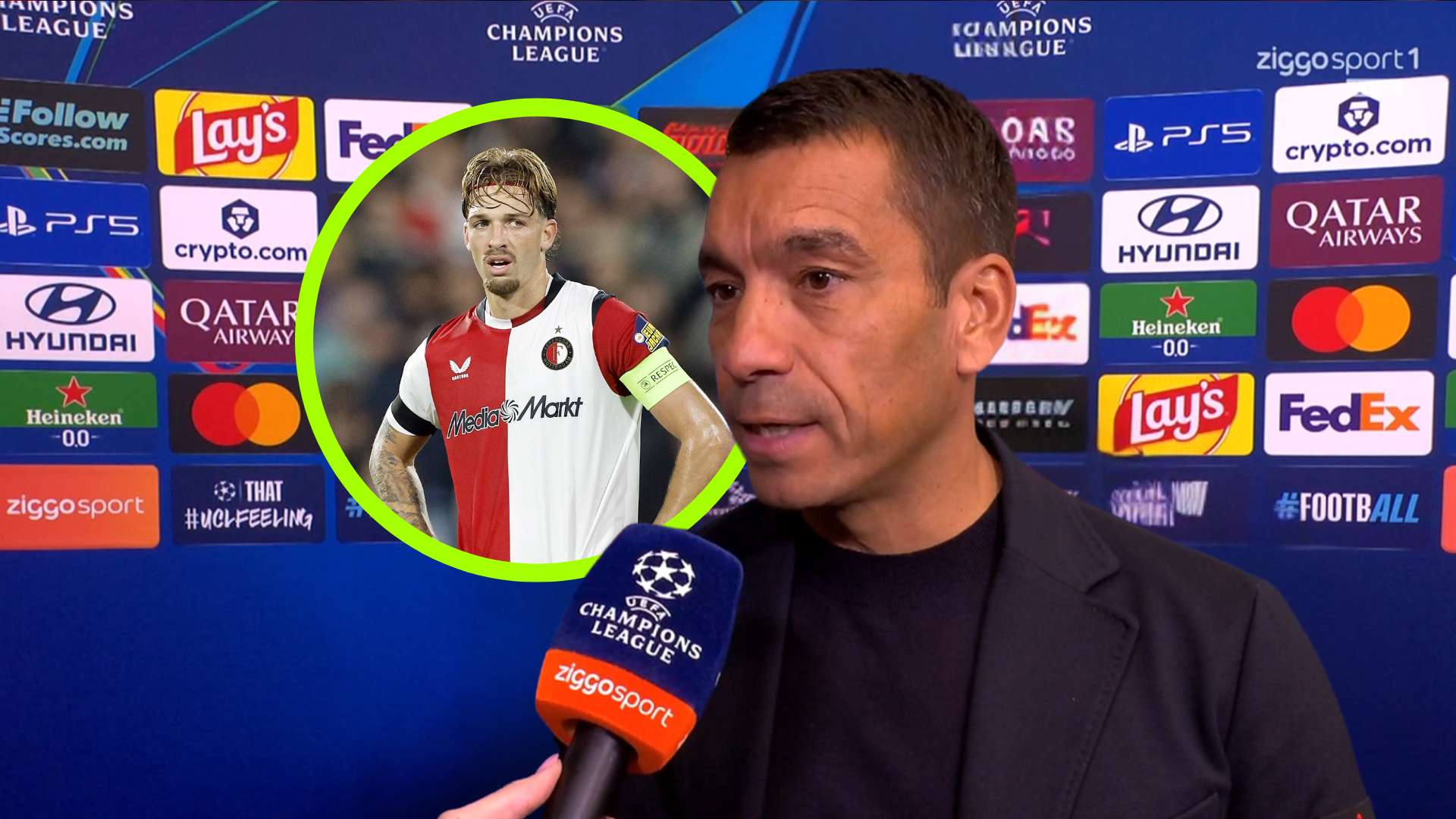
Valente’s absence after the interval was the main concern for Feyenoord. Speaking to Ziggo Sport after the match, coach Giovanni van Bronckhorst explained that the midfielder had begun to feel stiffness during the first half. Valente was initially able to continue, but the issue became more noticeable as the teams prepared to resume play.
“We were talking with the staff about the second half. Then it became clear that he could feel it getting a bit stiffer,” Van Bronckhorst said. “He’d already had a moment in the first half, but he was still able to play on.”
The coach said Feyenoord chose not to take unnecessary risks with the player. The club will wait for further information before determining whether Valente has suffered a significant injury or simply needs time to recover. A clearer assessment is expected after medical staff examine him.
That uncertainty matters because a busy schedule can quickly test a squad’s depth. Feyenoord are due to face FC Twente in the Eredivisie on October 18, while Como have a Serie A fixture against Parma on the same date. Valente’s availability could influence selection and midfield balance, although the club has not yet confirmed how long he might be out.
Van Bronckhorst Praises Feyenoord’s Pressing and Performance
Despite the concern over Valente, Van Bronckhorst was pleased with how his team performed. Feyenoord pressed throughout the match and looked to impose themselves rather than sit back and protect their advantage. That approach helped create a fast-paced contest and gave the home side opportunities to attack in numbers.
“I think we played very well, and in the way we want to play,” the coach said. “We tried to press throughout the match.” He also highlighted the importance of Feyenoord’s third goal, describing it as a relief after a demanding spell of play.
The goal arrived in unusual fashion. Hadj Moussa struck from distance, and the effort took a deflection before hitting the post and going in off Como goalkeeper Robert Sánchez. Although it was recorded as an own goal, the sequence reflected Feyenoord’s willingness to shoot and keep pressure on the opposition’s defence.
That strike followed an even more direct contribution from Hadj Moussa, who had scored Feyenoord’s second goal to make it 2-1. His combination of pace, close control and willingness to attack defenders gave Como a persistent problem on the flank.
Hadj Moussa’s Direct Style Makes Him Difficult to Defend
Van Bronckhorst singled out the winger’s importance after the match and responded to comparisons being made between Hadj Moussa and former Netherlands star Arjen Robben. The coach noted that opponents often know what the winger wants to do: drive forward, move onto his left foot and cut inside. The challenge, he said, is stopping him once he accelerates.
“He’s an important player,” Van Bronckhorst said. “You know he’s going to go left and cut inside, but he does it so quickly and with such pace… It’s very difficult to defend against.”
The comparison is an eye-catching one, but it also points to a familiar attacking pattern in football: a wide player who can make a predictable move dangerous through timing, speed and execution. When a winger forces defenders to adjust their positioning, space can open for overlapping full-backs, midfield runners and forwards arriving in the box.
Hadj Moussa’s performance could therefore be significant beyond his goals. If he can maintain this level, Feyenoord will have a potent outlet in transition and a player capable of changing the rhythm of a match. Opponents may respond by doubling up on him, which could create opportunities elsewhere—provided Feyenoord move the ball quickly enough to exploit them.
What the Result Means for Feyenoord
A 3-2 victory is not a guarantee of a smooth Champions League campaign, but it gives Feyenoord an important first win and a confidence boost. The team showed that it can create chances through sustained pressure, while also demonstrating the need to manage games carefully when opponents continue to threaten.
For fans looking ahead to the next round, any football prediction should account for both sides of the performance. Feyenoord’s attacking energy and Hadj Moussa’s form are encouraging signs, while Valente’s injury status remains an important variable. The next medical update may shape expectations for the club’s upcoming domestic and European matches.
Como, meanwhile, will take positives from their ability to score twice and remain competitive against a side that pressed aggressively. Their challenge will be to turn those promising spells into a more consistent defensive performance, particularly when facing quick wide attackers and shots from outside the area.
Key Takeaways from Feyenoord vs Como
- Feyenoord secured their first Champions League win of the season with a 3-2 victory over Como 1907.
- Luciano Valente was substituted at half-time after feeling increasing stiffness; the club is waiting for further medical assessment.
- Anis Hadj Moussa was a major attacking influence, scoring Feyenoord’s 2-1 goal and contributing to the third through a deflected shot.
- Van Bronckhorst praised his team’s pressing approach and said the performance reflected the style Feyenoord are aiming to play.
Feyenoord leave the match with three valuable points and renewed momentum, but attention will now turn to Valente’s recovery and whether the team can carry its intensity into the next fixture. For supporters, the early signs are promising: an aggressive game plan, a winger in form and a Champions League campaign finally underway with a win.