
Ajax striker Tolu Arokodare’s praise for Marcos Leonardo sparks debate
Ajax’s emphatic 6-1 victory over FC Midtjylland delivered plenty of talking points, from a commanding attacking display to a sharp disagreement about what happens behind the scenes in professional football. Tolu Arokodare was one of the night’s standout performers, but it was his generous comments about fellow striker Marcos Leonardo that drew the most attention after the final whistle.
Arokodare scored twice and supplied an assist as Ajax recorded an impressive result on Thursday evening. The Nigerian forward has now contributed 12 goals and four assists in 16 appearances, underlining his growing influence. Yet after the match, he was just as pleased to see Leonardo find the net after coming on as his replacement.
Arokodare welcomes Leonardo’s goal
Leonardo entered the game in the 70th minute, taking Arokodare’s place, and went on to score Ajax’s sixth goal. Speaking to Ziggo Sport, Arokodare said he was happy for his teammate and hoped the goal would give the Brazilian added confidence.
“This is a team sport,” Arokodare said. “If I don’t score, hopefully Leo will.” His comments presented a picture of a striker comfortable celebrating a teammate’s success, even when that player competes for a similar role in the side.
That reaction stood out because competition between centre-forwards can be intense. Goals often influence selection, playing time, contract value and a player’s prospects of earning a place in the national team. For a striker enjoying a productive run, publicly supporting a rival may therefore seem unusual—or, at least, open to interpretation.
Verweij believes the striker was sincere
Ajax reporter Mike Verweij said he believed Arokodare meant what he said. Speaking on De Telegraaf’s Kick-off podcast, Verweij described the striker’s reaction as genuine and suggested that his words reflected a team-first attitude.
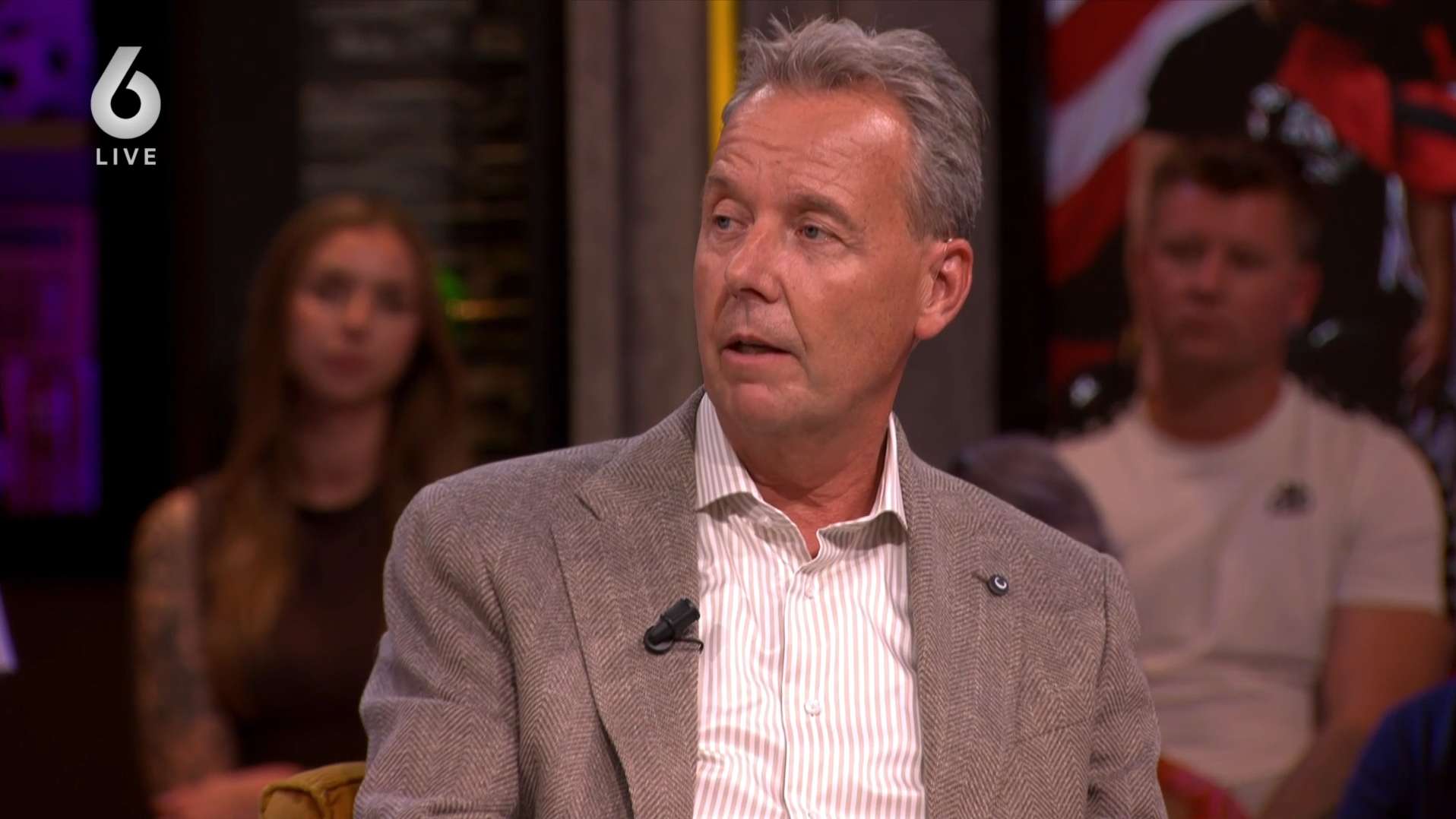
Journalist Valentijn Driessen was unconvinced. He dismissed Verweij’s reading as naïve and argued that professional players are ultimately motivated by their own careers. In his view, a striker can be pleased that a teammate scores while still wanting to protect his own place in the starting lineup.
The exchange turned into a debate about how to interpret players’ public comments. Verweij asked how often Driessen had spoken with Arokodare personally. Driessen replied that personal contact was not necessary, saying his understanding of professional football gave him a clear sense of how players think.
The competition behind the team-first message
Driessen’s argument centres on the practical consequences of being left out. Regular minutes give players opportunities to improve, attract attention and strengthen their value in the transfer market. A player who spends too much time on the bench may lose momentum, income and the chance to advance his career.
He described professional footballers as individuals who, despite representing one team, must also look after their own interests. His point was not necessarily that players dislike one another, but that personal ambition can place limits on how far their generosity extends when a rival is competing for their position.
Verweij acknowledged that distinction. He suggested Arokodare could sincerely wish Leonardo well, while still not wanting the Brazilian to take his place. Driessen agreed with that qualification, maintaining that support would never come at the cost of a player’s own prospects.
That tension is familiar across football. A squad needs competition to maintain standards, but players also depend on trust and cooperation. Forwards may celebrate each other’s goals in the dressing room while privately knowing that every successful appearance could affect the manager’s next selection. The two realities can exist at the same time.
Driessen points to Pierre van Hooijdonk
To illustrate his view, Driessen referred to former Netherlands striker Pierre van Hooijdonk, who could behave professionally when used as a substitute despite being frustrated about sitting on the bench. Driessen stressed that Van Hooijdonk did not rebel, while making the broader point that ambitious players naturally want to play.
He did not suggest that Arokodare would cause trouble if Leonardo’s role grew. Rather, Driessen’s comparison was intended to show that discipline and private disappointment are not mutually exclusive. A footballer can support the group publicly, respect a coach’s decision and still feel frustrated when personal opportunities are limited.
What the debate means for Ajax
For Ajax, the immediate benefit is clear: the club has two forwards capable of contributing to the scoreline. Arokodare’s goals and assists have made him a major attacking force, while Leonardo’s late finish gave him a confidence boost and showed the value of having an effective option from the bench.
That depth could become important as Ajax manage a busy schedule and look to maintain their form in domestic and European competition. A reliable substitute can change a match, provide cover during injuries and push a starter to sustain high standards. The challenge for the coaching staff is to balance those benefits with the need to keep both players engaged.
There is no way to establish from one post-match interview exactly what Arokodare feels about the competition. His comments may have been entirely sincere, as Verweij believes, while Driessen’s point about self-interest can still apply to professional football in general. Public praise is not proof that a player has no personal ambitions; nor does ambition make team spirit false.
Prediction: a valuable attacking rivalry
Ajax’s 6-1 win offers an encouraging sign for supporters: Arokodare is producing consistently, and Leonardo has shown he can make an impact when called upon. If both continue to contribute, their competition could strengthen the team rather than divide it. The key prediction is that selection decisions—not post-match comments—will reveal how the balance develops over the coming weeks.
For now, Arokodare’s performance remains the headline: two goals, an assist and a record of 16 goal contributions across 16 matches. Leonardo’s finish added a positive note, while the debate between Verweij and Driessen highlighted a familiar truth about football: team loyalty and individual ambition often share the same dressing room.