
European football faces a crisis as UEFA rejects FIFA’s proposal to involve private-sector investors in the ownership of its tournaments, warning of a potential boycott by Europe’s national teams. This unprecedented escalation has sparked a battle that could fundamentally reshape the landscape of world football.
**UEFA Takes a Stand Against FIFA’s Proposal**
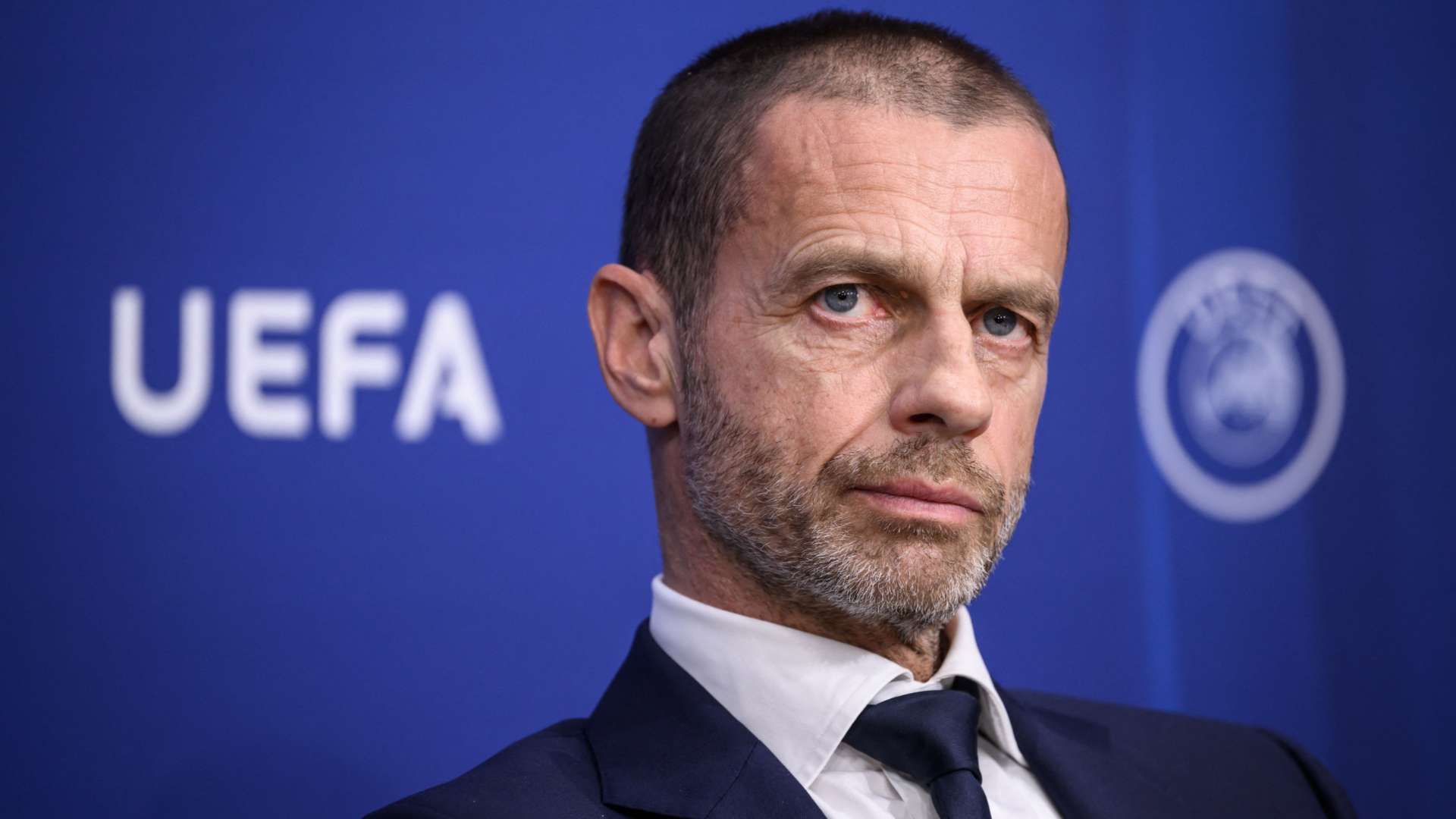
In a bold move, UEFA, representing itself and its 55 member national associations, released a statement on its official website unequivocally rejecting FIFA’s plan. The European association’s stance is clear – they will not participate in any competitions organized by FIFA if ownership stakes in the World Cup and other tournaments are transferred to private-sector investors.
**Protecting the Legacy of the World Cup**
UEFA’s objection to the proposal stems from a deep-rooted belief that the World Cup is not a commodity to be traded. It is a cherished sporting legacy that has been built over generations by players, national teams, and fans worldwide. The association stresses that no part of the World Cup should ever be surrendered to external investors. The future of football should not be dictated by financial gain but rather by the interests of the game itself, its stakeholders, and its fans.
**A Call for Transparency and Accountability**
UEFA criticizes FIFA for the lack of transparency and consultation in developing such a significant proposal. The association believes that decisions of this magnitude should not be made behind closed doors and imposed without genuine dialogue with the bodies responsible for governing and safeguarding the sport. This lack of leadership and consultation is seen as a betrayal of FIFA’s duty as the custodian of world football.
**Europe’s Defiant Stance**
Europe’s national associations, under UEFA’s leadership, refuse to legitimize a model that prioritizes financial profit over the integrity of the game. They vow to oppose the proposal with unwavering resolve, emphasizing that the World Cup, a symbol of football’s heritage, will not be put up for sale. UEFA demands that FIFA abandon the plan entirely or provide binding assurances that tournaments will not be opened to private-sector investors in the future.
**Standing Against Commercialization of Football**
The European football governing body stresses that once outside investors hold stakes in FIFA’s tournaments, the essence of the game will be forever altered. Commercial interests will take precedence over footballing decisions, potentially jeopardizing the sport’s future. UEFA is resolute in its commitment to protect the game from being exploited for financial gain at the expense of its core values.
In conclusion, UEFA’s firm rejection of FIFA’s proposal underscores the association’s dedication to safeguarding the purity and integrity of football. The battle between the two governing bodies sets the stage for a pivotal moment in the sport’s history, where fundamental principles clash with commercial interests. Europe’s unwavering stance sends a clear message that the World Cup, a symbol of unity and passion for millions worldwide, will not be compromised for the sake of profit.
**The Global Football Community Reacts**
The clash between UEFA and FIFA has reverberated across the global football community, with players, coaches, and fans expressing their support for UEFA’s stance. Many view the World Cup as a symbol of unity and sporting excellence that should remain untainted by commercial interests. The potential involvement of private-sector investors has raised concerns about the prioritization of profit over the spirit of the game, prompting a wave of solidarity with UEFA’s resistance.
**Implications for the Future of Football**
The standoff between UEFA and FIFA has brought to light the underlying tensions between the commercialization of football and the preservation of its heritage. The outcome of this conflict could set a precedent for how football is governed and financed in the future. Should FIFA persist in its pursuit of private-sector investment, it may alienate key stakeholders in the sport and risk diminishing the authenticity and appeal of football on a global scale.
**The Role of Fans in Shaping Football’s Future**
Fans play a crucial role in shaping the future of football, as their unwavering support and passion drive the sport forward. The resistance to FIFA’s proposal by UEFA and its member associations resonates with fans who value the traditions and values that underpin football. Their collective voice serves as a powerful reminder that the essence of the game lies in the shared experiences, emotions, and memories created on the pitch, rather than in the boardrooms of corporate investors.
**Finding a Path Forward**
As the standoff between UEFA and FIFA intensifies, the football community faces a critical juncture that will define the future of the sport. It is imperative for both governing bodies to engage in open dialogue, transparency, and collaboration to find a mutually beneficial solution that upholds the principles of fairness, integrity, and inclusivity in football. By prioritizing the interests of players, fans, and national associations, a harmonious resolution can be reached that ensures the sustainability and growth of the beautiful game.
**A Call for Unity and Solidarity**
In times of conflict and uncertainty, it is essential for the football community to stand united in defense of the values and traditions that make the sport so beloved around the world. UEFA’s resolute stance against FIFA’s proposal serves as a rallying cry for all stakeholders to come together in a spirit of solidarity and cooperation. By aligning their efforts and voices, the global football community can work towards a common goal of preserving the essence of the game for future generations to cherish and enjoy.
In conclusion, the clash between UEFA and FIFA represents a pivotal moment in the history of football, where competing visions for the sport’s future collide. The outcome of this battle will have far-reaching implications for how football is governed, financed, and experienced by millions of fans worldwide. By upholding the principles of transparency, accountability, and respect for the game’s heritage, the football community can navigate this challenging terrain and emerge stronger, more united, and more committed to preserving the timeless beauty of football for generations to come.