
Ballon d’Or Nominations Open: A Historic Absence of Goalkeepers Sparks Debate and Predictions
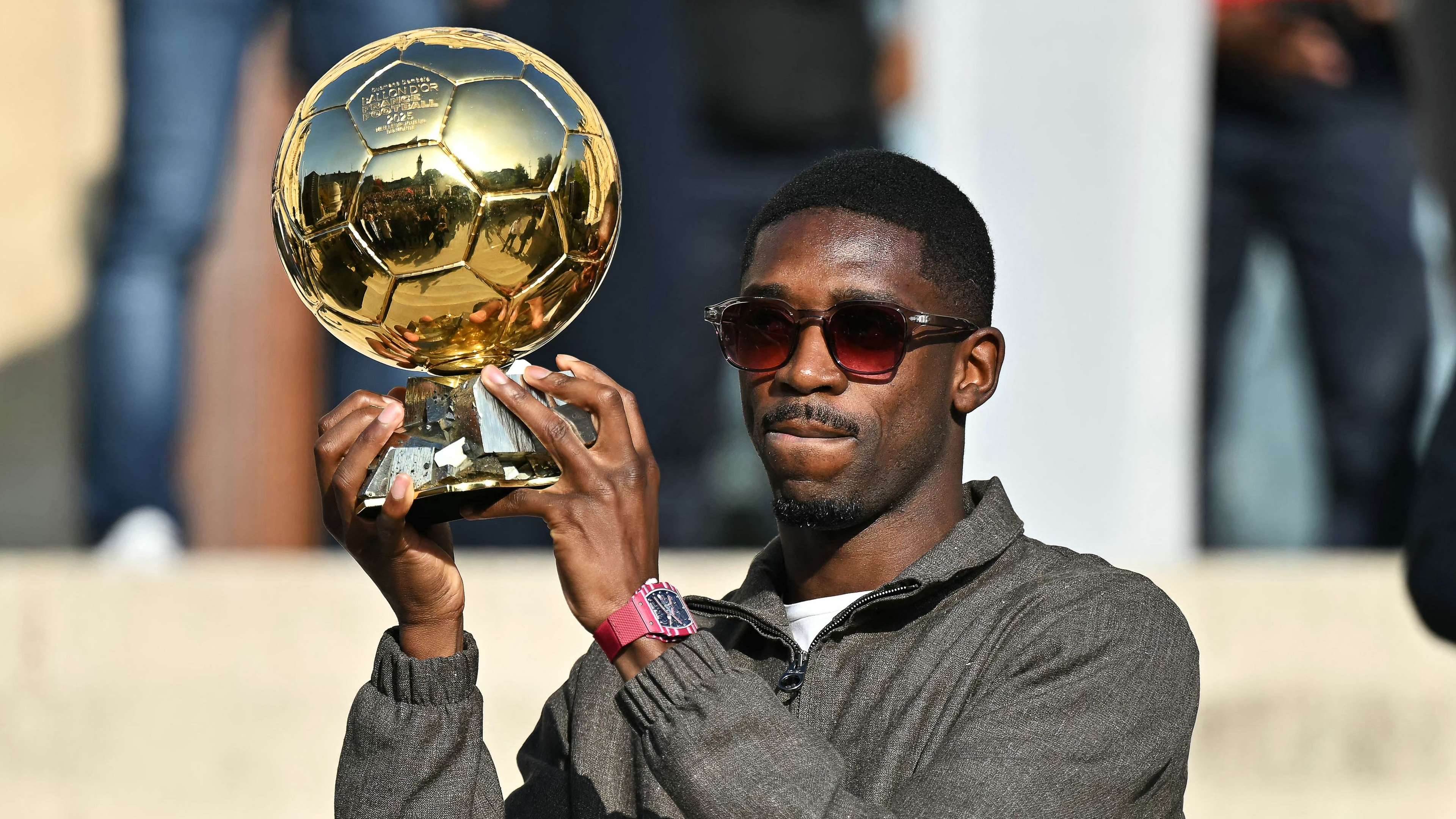
The announcement of the nominees for the 70th edition of the prestigious Ballon d’Or has once again captivated football fans worldwide, igniting discussions not only about the frontrunners but also about one of the most unusual developments in recent football history: the complete absence of goalkeepers from the final list of contenders. This unprecedented scenario, rarely seen in the award’s storied history, has significant implications for predictions, the recognition of individual excellence, and the future of the award itself.
A Look Back at the Goalkeeper’s Place in Ballon d’Or History
Since the inception of the Ballon d’Or award in 1956, only one goalkeeper has ever claimed this ultimate individual accolade: Soviet legend Lev Yashin, who won the award in 1963. Yashin remains the only goalkeeper in football history to have secured the coveted prize, making his victory a unique milestone. For decades, the award has predominantly celebrated outfield players—strikers, midfield maestros, and defenders—whose goals and creative play often steal the spotlight.
However, there have been notable exceptions where goalkeepers received recognition, particularly in the context of the Yashin Trophy—a separate award established in 2019 to honor the best goalkeeper of the year. Yet, when it comes to the main Ballon d’Or, the goalkeeper category has historically been a rare but respected inclusion.
The last time goalkeepers were completely absent from the final shortlist was during the 1967 and 1968 editions, with only a handful of instances since then. According to the renowned French sports newspaper L’Équipe, the 2026 nominations mark only the third time in history that no goalkeeper has made the cut for the final 30 nominees. This pattern underscores a broader trend: goalkeepers are increasingly overlooked in the race for football’s most prestigious individual prize.
Why Are Goalkeepers Missing This Year?
The absence of goalkeepers from the 2026 Ballon d’Or shortlist has sparked intense debate among fans, pundits, and analysts alike. Several factors contribute to this anomaly, including the evolving nature of football, the emphasis on attacking play, and the criteria used by voters.
One of the key reasons lies in the perception of goalkeepers’ contributions. While their importance is undeniable—often serving as the last line of defense—their performances are less visible and measurable compared to goal-scoring or creative outfield play. As a result, even exceptional goalkeepers may struggle to make a lasting impression on the voting panel, especially if their teams do not achieve significant success or their individual statistics are not eye-catching.
Furthermore, the global football landscape has shifted towards high-scoring, attack-oriented football, where outfield players frequently steal headlines with goals, assists, and match-winning performances. As a consequence, standout goalkeepers who excel in shot-stopping, command of the penalty area, or organizing defenses may not receive the same level of recognition in the broader context of the award.
Notable Goalkeepers Who Missed Out
This year’s omission is particularly striking given the talent and achievements of several top goalkeepers who would have been considered strong contenders in previous years. For instance, Unai Simón, the Spanish goalkeeper for Athletic Bilbao, had a stellar summer, conceding just one goal in seven matches at the FIFA World Cup. His commanding presence and consistency were praised, yet it was not enough to secure a spot on the shortlist. The defensive strength of the Spanish national team, which minimized his direct interventions, may have worked against him in the eyes of voters.
Similarly, David Raya, who shined during his season with Arsenal—winning the Premier League title and reaching the Champions League final—also failed to make the list. Despite his remarkable individual form, sitting on the bench during the World Cup and not being a primary starter for Spain hurt his chances.
In addition, Emiliano Martínez, the Argentine goalkeeper renowned for his heroics in the 2022 World Cup and Europa League triumph, was excluded despite previously finishing 15th and 18th in recent Ballon d’Or rankings. His performances for club and country have been extraordinary, yet this year’s voting seemed to favor outfield players more heavily.
Another notable name is Gianluigi Donnarumma, the Italian goalkeeper currently with Manchester City, who finished ninth in 2025 after a historic campaign with Paris Saint-Germain. However, Italy’s failure to qualify for the last World Cup, coupled with the team’s overall struggles, diminished his chances of inclusion this year.
Implications for the Future of the Award
The complete absence of goalkeepers from the 2026 Ballon d’Or nominees has broader implications for the future of football awards. It raises questions about how goalkeeper achievements are valued and whether the criteria for selection need to be reevaluated to better recognize their critical contributions.
Historically, the Yashin Trophy has served as a dedicated platform to honor goalkeepers annually. Yet, the diminishing presence of goalkeepers in the main Ballon d’Or shortlist indicates a possible shift in the landscape of individual recognition, one that emphasizes goal-scoring, creativity, and offensive impact over defensive mastery.
This trend also impacts predictions for the upcoming award ceremony, scheduled to take place in London on October 26. With the usual suspects—such as Lionel Messi, Kylian Mbappé, and other high-profile outfield players—expected to be the main contenders, the absence of goalkeepers is expected to tilt the focus even more heavily toward attacking and midfield stars.
What Does This Mean for Football Predictions?
For football enthusiasts and betting enthusiasts alike, this development profoundly influences prediction strategies. Traditionally, goalkeepers like Emiliano Martínez or Gianluigi Donnarumma have been strong dark horses or even favorites in the predictions, especially when their teams have achieved notable success.
However, with goalkeepers currently absent from the list, predictions are likely to center around players with prolific goal-scoring records, outstanding individual seasons, or leadership qualities that resonate with voters. The emphasis on offensive stars may also increase the competitiveness among forwards and midfield maestros, making predictions more challenging but also more exciting.
This shift could lead to a reevaluation of what constitutes the “best player” in football, prompting analysts to consider more holistic criteria beyond traditional stats. Fans and betting markets will be watching closely to see if this trend continues in future editions or if goalkeepers manage to reclaim their rightful place in the spotlight.
Conclusion: An Unwritten Page in Football History
The 2026 Ballon d’Or nominations have written an extraordinary chapter in football history—one where the goalkeeper’s role seems to have temporarily receded from the limelight. While this may reflect current trends in football or voting patterns, it also opens the door for renewed discussions about how excellence is recognized in the sport.
As the award ceremony approaches, fans and pundits alike will be eager to see who ultimately takes home the coveted prize. Will this year’s absence of goalkeepers become a one-time anomaly, or does it signal a deeper shift in football’s individual recognition landscape? Only time will tell, but one thing is certain: the debate about the prediction, significance, and future of football awards remains as vibrant as ever.