
Kylian Mbappé’s Mao Zedong Remarks Spark Political Storm Beyond Football
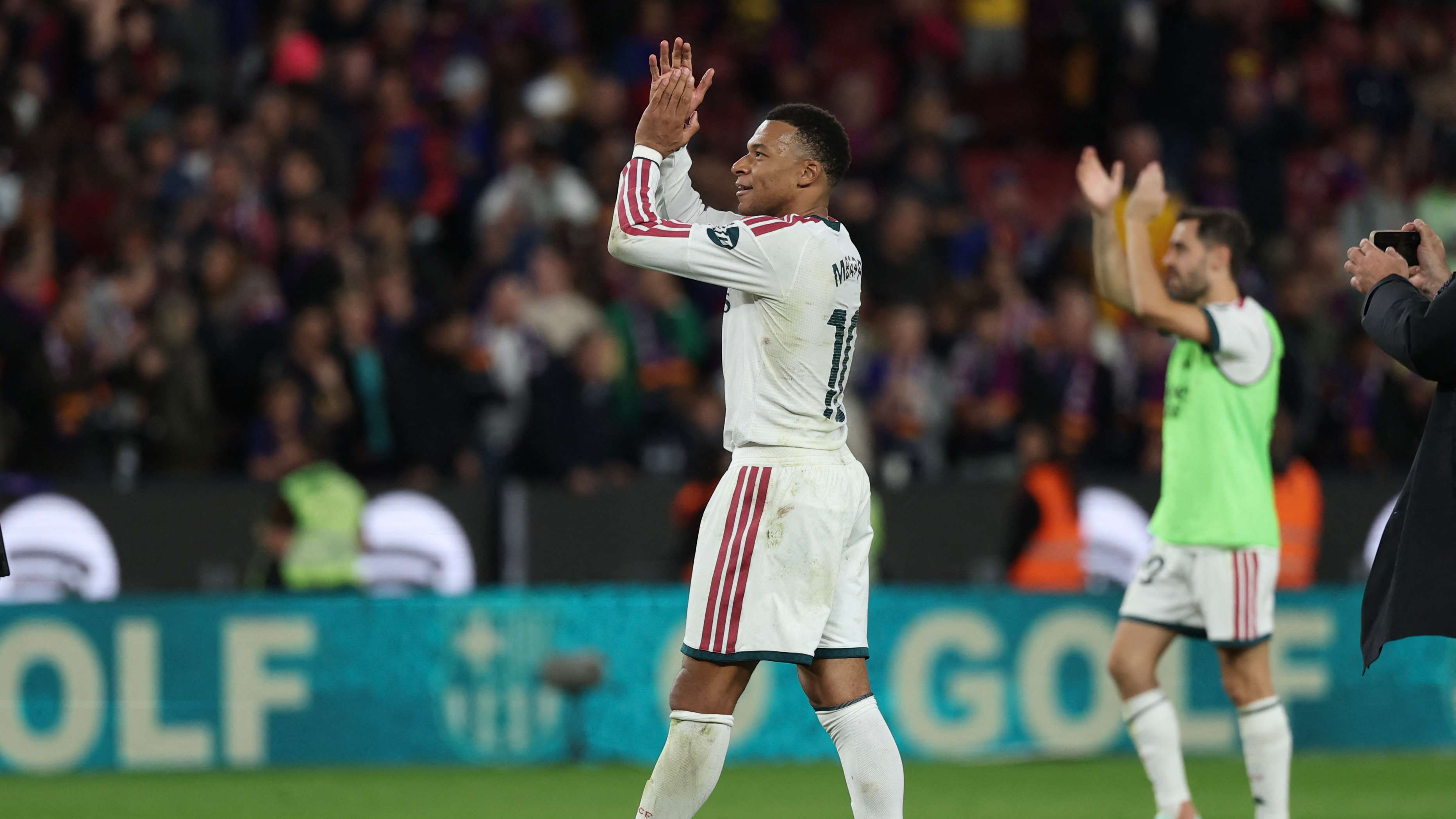
Real Madrid forward and France captain Kylian Mbappé has become the focus of an international controversy after comments about former Chinese leader Mao Zedong prompted a sharp backlash in China. The dispute has spread well beyond football, drawing in Chinese businesses, sports officials and political figures in the United States.
John Moolenaar, the Republican chair of the US House Select Committee on China, has publicly defended Mbappé. He argues the French star should not have apologised for describing Mao as a dictator, putting him at odds with the efforts by Mbappé, Real Madrid and Spanish football authorities to calm the reaction.
How the controversy escalated
The row began after a video circulated in which Mbappé referred to Mao as a dictator. The remarks prompted criticism in China, where the former leader remains a highly sensitive historical and political subject. The reaction quickly moved into the commercial and sporting arenas.
Several Chinese brands reportedly ended their partnerships with the forward. The Chinese Football Association lodged a protest, while a Chinese media group called for Real Madrid to issue a public apology, arguing that the club should take responsibility for the words of its player.
Those developments placed the club and the player under pressure to respond. Mbappé, Real Madrid and LaLiga president Javier Tebas all apologised to China, seeking to reduce the damage and prevent the dispute from growing further. Their statements came as the controversy intensified over a period of roughly two days.
US lawmaker rejects the apology
Moolenaar took a markedly different view. In a statement issued through the Select Committee on China, he said Mbappé had no reason to apologise for calling Mao a dictator. The congressman argued that the historical record should not be softened to protect commercial relationships or avoid political discomfort.
“Mao was a dictator, and he caused harm to the Chinese people far greater than any comment a footballer could make,” Moolenaar said. He also pointed to deaths linked to Mao-era policies and events, including the Great Famine and the Cultural Revolution.
The lawmaker’s intervention has given the dispute a new dimension. What began as a controversy involving a global football star has become part of a broader argument about China, public speech and the influence of commercial interests. French outlet Foot Mercato reported that Moolenaar’s comments have connected the episode to wider tensions between Washington and Beijing.
Business interests and the pressure on global stars
Moolenaar also criticised the companies that reportedly severed ties with Mbappé. He described their decisions as an attempt to protect access to the Chinese market, arguing that businesses were rushing to distance themselves from the player to preserve their commercial opportunities.
That criticism highlights a challenge facing international athletes with large global audiences. Sponsorship deals can make players valuable representatives for brands, but those same partnerships may become vulnerable when a public statement causes a backlash in a major market. Companies must then weigh reputational concerns against the financial importance of maintaining business relationships.
For athletes, the consequences can be immediate. A remark made in one context may be interpreted differently across countries, particularly when it touches on national history or political identity. In Mbappé’s case, the response has involved not only criticism but also reported commercial losses and pressure on his club to speak publicly.
A difficult balance for Real Madrid and football
Real Madrid’s involvement reflects the increasingly international nature of elite football. Clubs depend on supporters, commercial partners and media audiences across the world, so controversies involving star players can quickly become institutional issues. The demand for a club apology illustrates how a player’s words may be treated as a matter requiring a response from the organisation as well.
At the same time, the episode raises questions about where responsibility lies. Should a club answer for comments made by an individual player? How should a footballer respond when criticism from one audience conflicts with support from another? And what role should sponsors play when political pressure affects a commercial partnership?
There is no simple answer. Apologies can be intended to show respect and prevent further harm, but they can also attract criticism from people who see them as yielding to political or commercial pressure. Moolenaar’s defence of Mbappé demonstrates how the same response can be interpreted in sharply different ways depending on the audience.
What happens next?
The immediate focus will be on whether the apologies ease the reaction in China and whether the brands that ended their partnerships maintain those decisions. Mbappé’s next public comments may also shape how the story develops, although any further response could draw new scrutiny from audiences on both sides of the debate.
For football fans following the story, the controversy is a reminder that the sport’s biggest names operate on a global stage where public statements can carry consequences far beyond match day. Mbappé’s case is no longer simply a question of form, goals or a prediction for Real Madrid’s next fixture. It has become a test of how football, politics and business intersect when a high-profile player enters a sensitive historical debate.
As the dispute continues, the central issue is likely to remain the tension between freedom of expression and the commercial realities of international sport. Whatever the eventual outcome, the episode shows how quickly a comment from one of football’s most recognisable figures can become a worldwide political story.