
The European Union Continues to Pressure FIFA President Amid Calls for Resignation
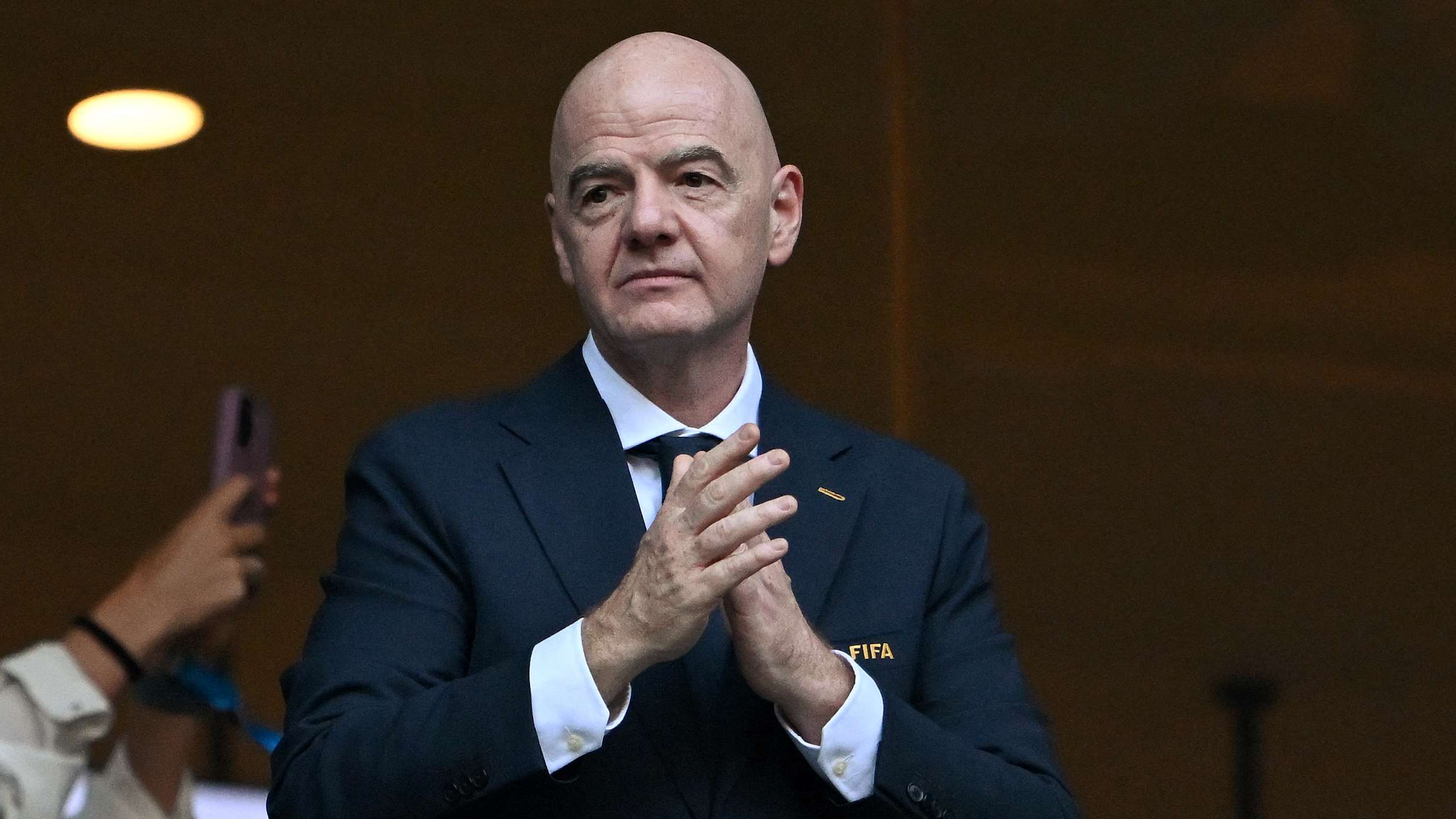
Pressure is mounting on FIFA president Gianni Infantino as the European Union leads moves to end his tenure, despite his recent announcement to withdraw a controversial project to sell a share of the commercial rights to the World Cup. The British newspaper “The Telegraph” reported today that UEFA has warned Infantino to resign or face a no-confidence vote from FIFA’s member associations.
UEFA Takes Action Against Infantino
Article 25 of FIFA’s statutes underpins the movement to remove Infantino, obliging the FIFA council to call an extraordinary congress if a fifth of the member associations submit a written request, which amounts to 43 associations out of 211. With UEFA alone boasting 55 member associations, they easily surpass the threshold required to trigger the extraordinary congress.
The congress is set to be held within three months of the request being received, as reported by the French newspaper “L’Équipe”. All 211 member associations would participate in the vote, with a simple majority needed to remove the FIFA president – equivalent to more than 50% of valid votes, or 106 votes.
Mounting Opposition to Infantino
According to reports, 143 national associations have already opposed Infantino’s project to sell a share of the World Cup. These include 55 associations from UEFA, 47 from the Asian Football Confederation, and 41 from CONCACAF. While not all of them may vote to remove the FIFA president, the pressure from UEFA, who have expressed their lack of confidence in Infantino, continues to escalate.
Despite Infantino’s attempts to pacify critics by withdrawing the controversial project, the calls for his resignation or removal persist. The situation remains tense as the football community waits to see how the upcoming extraordinary congress will unfold.
Implications for FIFA and Football
The ongoing saga surrounding FIFA president Gianni Infantino has significant repercussions for the organization and the world of football. With the prospect of a no-confidence vote looming, the stability of FIFA’s leadership is in question, potentially leading to major changes in the governance of international football.
The outcome of the upcoming extraordinary congress will not only determine the fate of Infantino but also shape the future direction of FIFA and its global operations. As the pressure mounts and calls for accountability grow louder, the football community eagerly anticipates the resolution of this high-stakes situation.
In Conclusion
As the European Union intensifies its efforts to remove FIFA president Gianni Infantino, the football world braces for a potential shift in leadership. With UEFA leading the charge and calls for resignation mounting, the future of FIFA hangs in the balance. The upcoming extraordinary congress will be a pivotal moment in determining the course of international football governance and the fate of its embattled president.
Analysis of the FIFA Controversy
The controversy surrounding FIFA president Gianni Infantino highlights the ongoing challenges and power struggles within international football governance. The pushback against Infantino’s proposed project to sell a share of the World Cup’s commercial rights underscores the importance of transparency and accountability in sports administration.
Infantino’s leadership has faced scrutiny for various reasons, including allegations of favoritism, lack of transparency in decision-making, and concerns about the commercialization of the sport. The demands for his resignation or removal reflect a broader desire for reform within FIFA and a commitment to upholding the integrity of football at all levels.
Global Implications of the FIFA Crisis
The outcome of the potential no-confidence vote against Infantino could have far-reaching implications for FIFA and the future of international football. A change in leadership at the highest levels of the organization could signal a new era of governance, prioritizing accountability, fairness, and the interests of all member associations.
Furthermore, the controversy surrounding Infantino has reignited discussions about ethics and transparency in sports administration, prompting stakeholders to reevaluate the existing structures and mechanisms that govern the sport. This moment of reckoning presents an opportunity for FIFA to address long-standing issues and rebuild trust with fans, players, and member associations worldwide.
The Role of the European Union in FIFA Reform
The European Union’s involvement in pressuring FIFA president Gianni Infantino reflects a broader trend of international bodies holding sports organizations accountable for their actions. By taking a stand against perceived misconduct or mismanagement within FIFA, the EU is sending a message that ethical standards and good governance principles must be upheld in the world of sports.
As the EU continues to advocate for FIFA reform, it reinforces the importance of regulatory oversight and external scrutiny in ensuring the integrity of sporting institutions. The collaboration between governmental bodies and sports organizations highlights the interconnectedness of sports and society, emphasizing the need for responsible and transparent leadership in the football industry.
Looking Ahead: The Future of FIFA
As FIFA grapples with internal turmoil and external pressure to address governance issues, the upcoming extraordinary congress will serve as a critical juncture in shaping the organization’s trajectory. The decisions made regarding Gianni Infantino’s leadership will have lasting implications for FIFA’s credibility, reputation, and ability to govern the global football community.
Regardless of the outcome of the congress, the FIFA crisis underscores the importance of upholding ethical standards, promoting transparency, and prioritizing the interests of football stakeholders. The events unfolding within FIFA serve as a reminder of the ongoing need for reform and accountability in sports governance, paving the way for a more responsible and sustainable future for international football.
By delving into the broader implications of the FIFA controversy, analyzing the role of the European Union in advocating for reform, and considering the future of FIFA in light of the current crisis, we gain a deeper understanding of the complex dynamics at play within international football governance. The evolving situation surrounding Gianni Infantino and FIFA serves as a catalyst for reflection and action, pushing for greater transparency, accountability, and integrity in the world of sports. As stakeholders await the outcome of the extraordinary congress, the football community remains hopeful for positive change and a renewed commitment to the principles that underpin the beautiful game.