
UEFA Pushes for Change in FIFA Leadership Amid Escalating Disputes
The Union of European Football Associations (UEFA) is making strong moves to bring about changes in the leadership and governance of the International Federation of Association Football (FIFA). Reports have surfaced revealing escalating disputes between UEFA and FIFA president Gianni Infantino.
High-Level Meetings and Demands
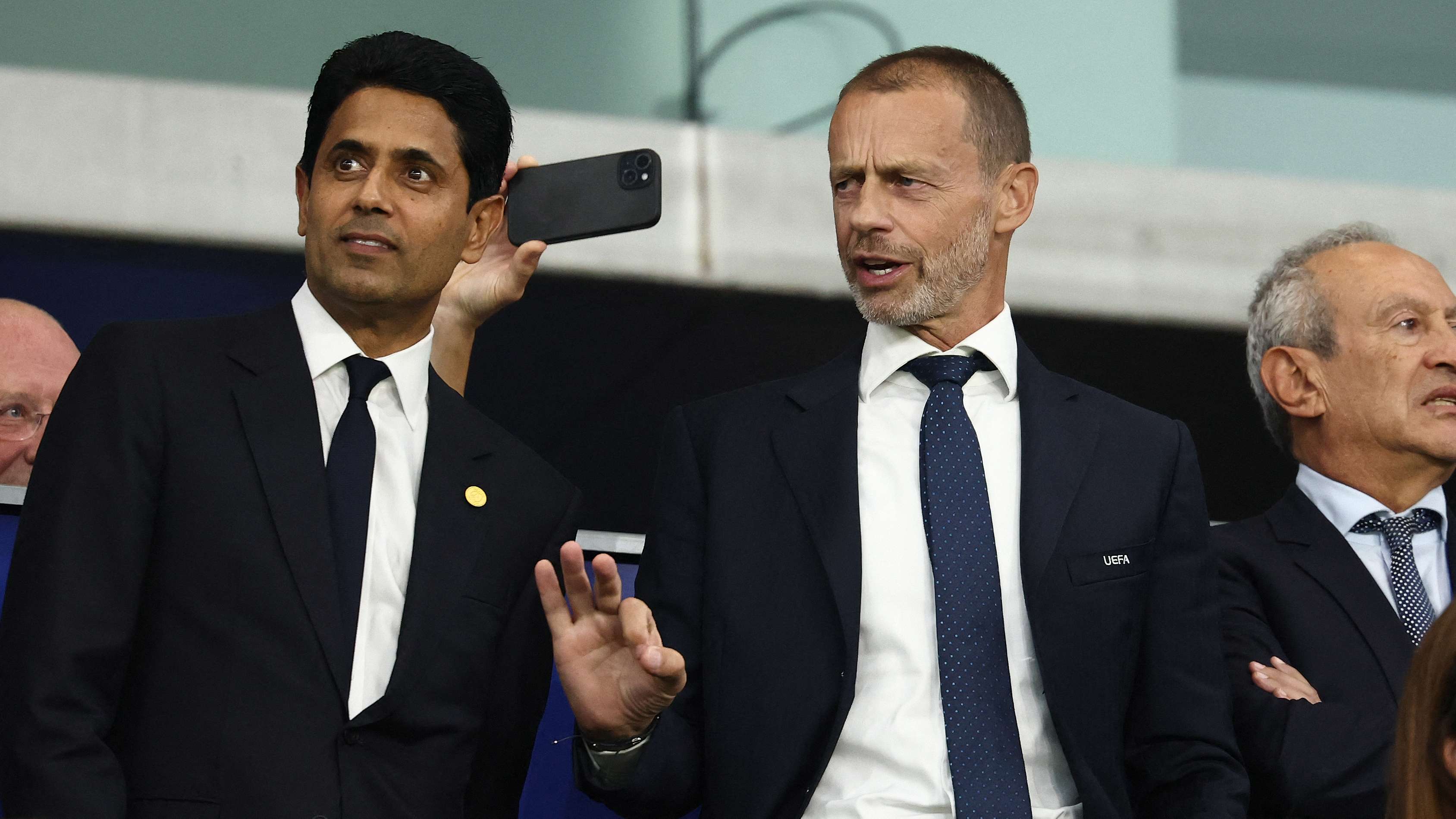
According to reports from the “talkSPORT” network, senior European football officials recently gathered in Salzburg, Austria, ahead of the UEFA Super Cup match where Paris Saint-Germain emerged victorious over Aston Villa with a 2-1 score. The meetings included UEFA president Aleksander Ceferin, European Football Clubs association president Nasser Al-Khelaifi, and Confederation of African Football president Patrice Motsepe. The discussions focused on addressing the FIFA crisis and determining the future of its leadership.
The talks were described as positive and constructive, with Ceferin emphasizing the need for leadership and governance changes at FIFA. UEFA is adamant about holding Infantino accountable for the failure of the FIFA Forward Enterprise project, insisting on nothing less than his resignation or withdrawal from the upcoming elections in March.
Potential Leadership Challenges
UEFA is considering a move to withdraw confidence from Infantino, a process that requires the support of 43 member associations to trigger an emergency vote. Ceferin’s camp is also evaluating potential candidates to challenge Infantino, including CONCACAF president Victor Montagliani, AFC president Salman bin Ibrahim Al Khalifa, and PSG president Nasser Al-Khelaifi.
While no official backing has been given to any candidate thus far, the European Football Clubs association, representing over 850 clubs, is a crucial ally of UEFA in pushing for greater club involvement in world football management.
Motsepe’s Stance
Patrice Motsepe’s presence at the Super Cup was significant, with sources indicating that his visit aimed not only to support a Somali African referee but also to discuss Infantino’s future. Motsepe emphasized that the elections should determine the FIFA president’s fate, without explicitly endorsing him.
The deadline for standing against Infantino is set for November 18, but UEFA is more focused on the possibility of triggering a no-confidence vote before then. UEFA’s demands go beyond just calling for Infantino’s departure; they include restructuring the FIFA presidency by exploring options like rotating presidents or appointing a chairman of the board and vice-presidents for improved governance.
UEFA’s push for change in FIFA’s leadership is driven by a desire to enhance accountability and transparency within the organization, as well as to give clubs a more prominent role in the management of global football.
Stay tuned for further developments as UEFA continues to navigate the ongoing disputes with FIFA and advocate for reform in the world of football.
Impact on Football Predictions
The ongoing leadership crisis at FIFA and the potential changes in leadership could have a significant impact on football predictions. With UEFA pushing for reforms to enhance accountability and transparency within the organization, there may be a shift in how decisions are made regarding major football events, such as the World Cup and other international tournaments.
Football prediction enthusiasts often rely on a combination of data analysis, team performance, and historical trends to make informed predictions about the outcomes of matches. However, changes in leadership at FIFA could introduce new variables that may need to be considered when making predictions.
For example, if a new president is elected with a different approach to governing football, it could lead to changes in how tournaments are organized, rules are enforced, and decisions are made. These changes could impact the overall landscape of football and, in turn, influence the accuracy of predictions made by fans, analysts, and betting experts alike.
Global Football Landscape
UEFA’s push for reform in FIFA’s leadership is not only about addressing the current disputes but also about shaping the future of football on a global scale. The decisions made by FIFA’s leadership have far-reaching implications that go beyond just the organization itself. They affect players, clubs, fans, and the entire football ecosystem.
If changes are successfully implemented, such as rotating presidents or appointing a chairman of the board, it could lead to a more inclusive and transparent governance structure within FIFA. This, in turn, could set a precedent for other football governing bodies around the world to follow suit and prioritize accountability and fair play.
Club Involvement and Decision-Making
UEFA’s emphasis on giving clubs a more prominent role in the management of global football is a significant development that could reshape the power dynamics within the sport. Traditionally, decisions about major football events and governance have been made by national associations and continental bodies like UEFA and CONMEBOL.
However, with over 850 clubs being represented by the European Football Clubs association, there is a growing demand for greater club involvement in decision-making processes. This could lead to a more balanced approach to governance, with clubs having a voice in shaping the future of football alongside national associations and continental bodies.
As UEFA continues to advocate for reform and transparency within FIFA, the role of clubs in decision-making processes is likely to become increasingly important. This could have implications for how football is organized, financed, and governed at a global level, ultimately influencing the predictions and outcomes of matches in the future.
It will be interesting to see how the situation unfolds in the coming months and how UEFA’s efforts to bring about change in FIFA’s leadership will impact the world of football predictions and the global football landscape as a whole.