
UEFA Vice-President Criticizes FIFA’s Proposal to Sell World Cup Stake
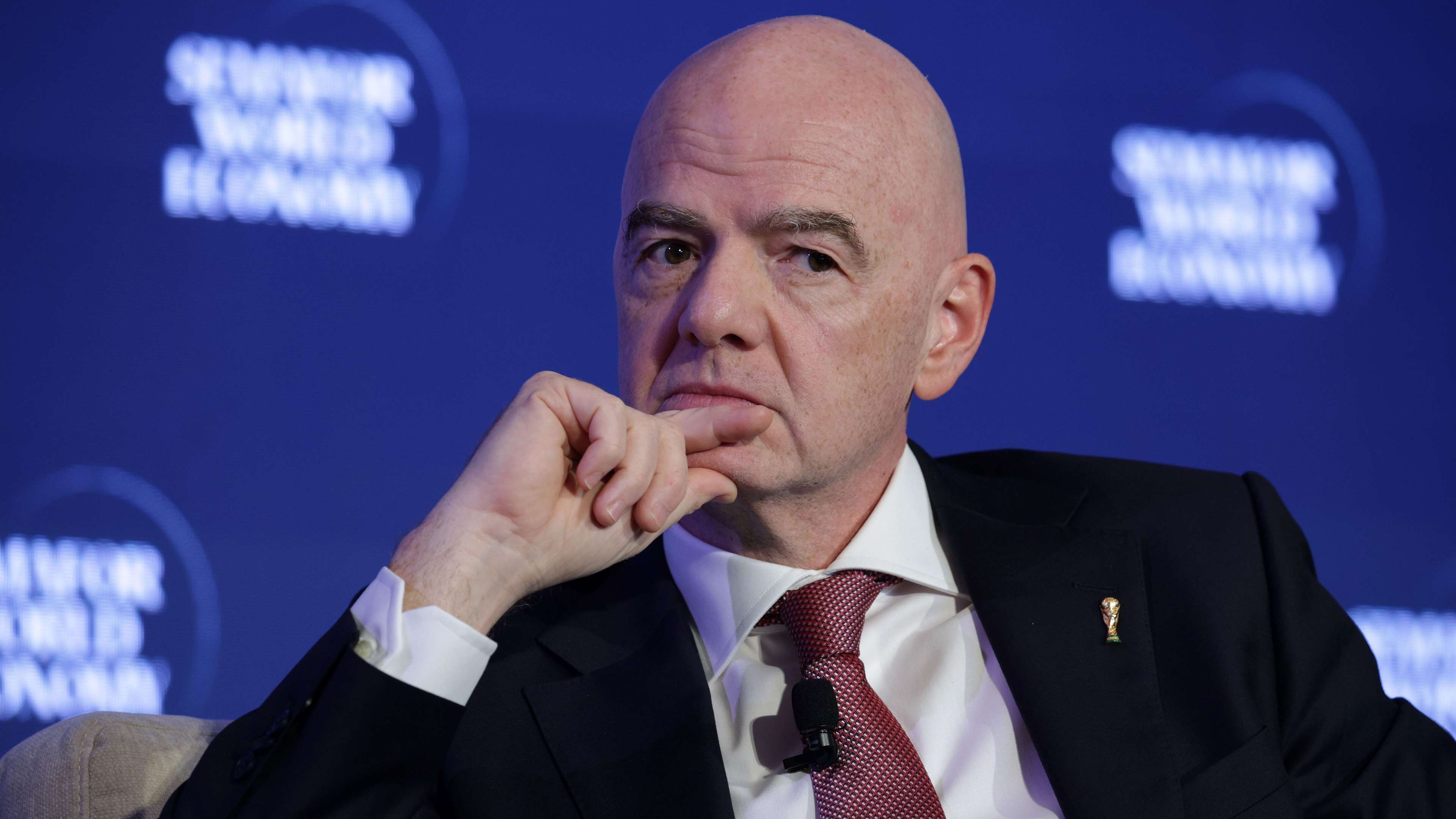
UEFA vice-president Gabriele Gravina has strongly criticized FIFA President Gianni Infantino’s proposal to sell a stake in the World Cup to private investors. Gravina, who is a former chief of the Italian Football Federation (FIGC), has warned that European nations may consider boycotting the tournament in response to the controversial $20 billion commercial deal.
Concerns Over FIFA’s Proposal
Gravina’s criticism comes as opposition to FIFA’s proposal to sell a stake in the World Cup to private investors continues to grow. The UEFA vice-president expressed concerns about the potential implications of such a deal on the integrity and tradition of the prestigious tournament. He highlighted the risk of commercial interests overshadowing the spirit of football and emphasized the importance of preserving the values that the sport embodies.
In addition to raising ethical and sporting concerns, Gravina also pointed out the potential financial risks associated with the proposed deal. He warned that allowing private investors to have a stake in the World Cup could lead to conflicts of interest and undermine the transparency and fairness of the competition.
Possible Boycott by European Nations
Gravina’s warning about a possible boycott by European nations has added further fuel to the ongoing debate surrounding FIFA’s proposal. The UEFA vice-president emphasized that European countries, which have historically been strong supporters of the World Cup, may choose to abstain from participating in the tournament if the commercialization of the event proceeds.
The threat of a boycott by European nations could have significant consequences for the World Cup, as these countries traditionally make up a large portion of the participating teams. If top European teams decide to withdraw from the competition, it could impact the overall quality and appeal of the tournament.
Call for Transparency and Accountability
Gravina’s criticism of FIFA’s proposal reflects a growing sentiment within the football community for greater transparency and accountability in the governance of the sport. The UEFA vice-president called for a more inclusive and consultative approach to decision-making, stressing the importance of involving all stakeholders in discussions about the future of the World Cup.
As the debate over FIFA’s proposal continues to intensify, Gravina’s comments have reignited discussions about the balance between commercial interests and the core values of football. The UEFA vice-president’s strong stance against the sale of a stake in the World Cup to private investors has resonated with many in the football world who share his concerns about the potential consequences of such a deal.
In conclusion, Gravina’s criticism of FIFA’s proposal underscores the need for a thoughtful and principled approach to safeguarding the integrity and spirit of the World Cup. As the football community grapples with the implications of commercialization and privatization, the debate over the future of the tournament is likely to continue for the foreseeable future.
Impact on Global Football Landscape
The potential sale of a stake in the World Cup to private investors could have far-reaching implications for the global football landscape. While FIFA’s proposal aims to generate substantial revenue for the organization, critics like Gravina argue that it may come at the expense of the sport’s fundamental principles. The involvement of private investors in a tournament as prestigious as the World Cup raises questions about the commercialization of football and the prioritization of financial gains over the game itself.
Moreover, Gravina’s concerns about the possible boycott by European nations shed light on the power dynamics within international football. European teams have historically been dominant forces in the World Cup, and their absence from the tournament could significantly impact its prestige and viewership. The threat of a boycott underscores the influence that key stakeholders like UEFA have in shaping the future of major football events.
Ethical Considerations in Football Governance
Gravina’s stance against FIFA’s proposal also brings attention to the broader issue of ethics in football governance. The pushback against commercial interests encroaching on the World Cup highlights the need for transparency, accountability, and integrity in decision-making processes within the sport. The debate over privatizing a portion of the tournament reflects a larger struggle to balance financial incentives with the values and traditions that define football.
By calling for a more inclusive and consultative approach to decision-making, Gravina emphasizes the importance of involving all stakeholders in shaping the future of the World Cup. This plea for transparency resonates with fans, players, and officials who seek to preserve the authenticity of the sport amidst increasing commercial pressures.
The Future of the World Cup
As discussions surrounding FIFA’s proposal continue, it is evident that the future of the World Cup is at a crossroads. The tensions between commercialization and tradition, profit-making and sporting values, underscore the complex challenges facing international football governing bodies. Gravina’s vocal opposition to the sale of a stake in the tournament represents a broader call for reflection on the direction in which the sport is heading.
Ultimately, the outcome of this debate will shape not only the World Cup but also the broader landscape of football governance. The decisions made in response to FIFA’s proposal will set a precedent for how major tournaments are managed and financed in the years to come. Gravina’s critique serves as a reminder of the importance of upholding the essence of football while navigating the complexities of modern sports business.
Conclusion
In conclusion, Gravina’s criticism of FIFA’s proposal to sell a stake in the World Cup to private investors sheds light on the ethical, financial, and strategic considerations at play in international football. The debate over the future of the tournament reflects a broader conversation about the values that underpin the sport and the responsibilities of governing bodies to uphold them. As stakeholders continue to voice their opinions and concerns, the path forward for the World Cup remains uncertain, with profound implications for the future of football on a global scale.