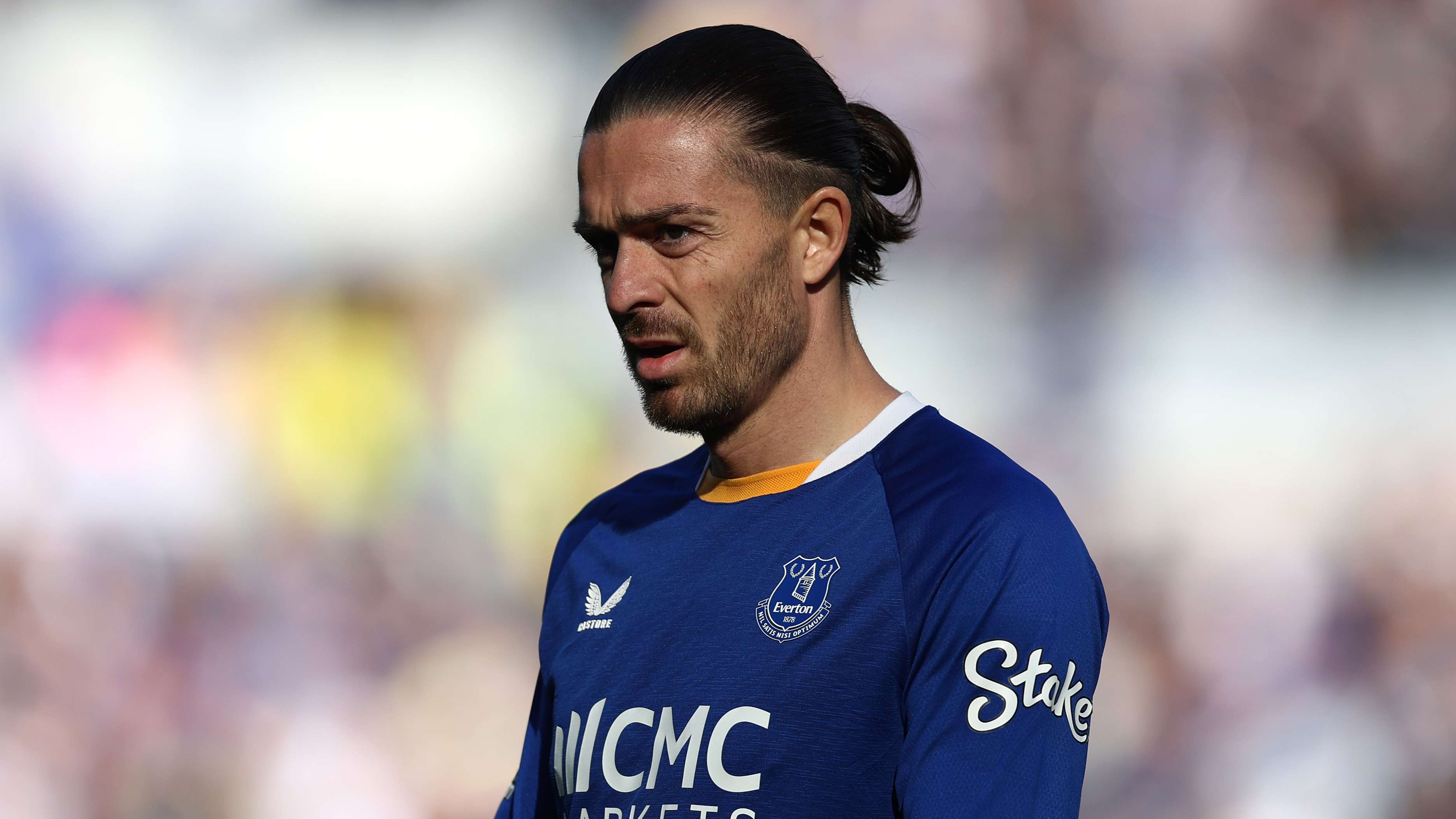

Jack Grealish’s Everton Absence Sparks Fresh Questions After Reported Nights Out
Jack Grealish has found himself at the centre of another off-field controversy after being left out of Everton’s squad for their Carabao Cup meeting with Newcastle United. The Toffees won the match 3–1, but attention quickly shifted to the England international and the circumstances behind his absence.
British media reports alleged that Grealish spent two consecutive evenings socialising and drinking before missing a training session without permission. Everton did not publicly confirm that the reported nights out caused his omission. The club did, however, say that the player was unavailable because he had breached its disciplinary rules.
The episode has prompted fresh discussion about the balance between a footballer’s private life and the professional standards expected at a Premier League club. It has also raised questions about Grealish’s role at Everton, where supporters will be hoping the focus returns quickly to his performances on the pitch.
Reports describe two evenings out
According to The Sun, Grealish’s first reported night out took place on 19 October, after he attended the Pride of Britain Awards at London’s Grosvenor House Hotel. The newspaper said he later went to Bam Karaoke Box in the Victoria area, where he spent several hours with friends.
A source quoted in the report described Grealish as being in good spirits after the ceremony. The group reportedly enjoyed drinks and karaoke before leaving in the early hours. While such an evening is not, in itself, evidence of a breach of club policy, the timing became a point of interest once Grealish was later omitted from Everton’s matchday squad.
The reports then placed the midfielder at The Mauldeth pub in Wilmslow the following evening. He was said to have been joined by Everton goalkeeper Jordan Pickford, teammate Tyler Dibling and former Manchester City colleague Kyle Walker. The group reportedly watched Paris Saint-Germain’s Champions League match against Barcelona in a private area of the venue.
One person quoted by the newspaper said drinks were consumed during the evening. The group was also reported to have visited a bowling alley in Altrincham afterwards. These accounts have not been independently confirmed by Everton, and the club has not issued a detailed explanation of the events surrounding Grealish’s absence.
Training absence cited as the disciplinary issue
The key distinction is that the media reports did not establish a direct link between Grealish’s nights out and the decision to leave him out against Newcastle. Instead, the reported immediate reason was that he missed a training session without receiving prior permission.
Everton’s official position was brief. The club said Grealish was unavailable because he had breached its internal disciplinary rules. Manager David Moyes supported the decision but declined to discuss the specifics, saying the club had made the call and that he backed it.
That response suggests Everton wanted to handle the matter internally rather than turn it into a public dispute. Clubs commonly keep disciplinary details private, particularly when an issue involves an individual player. For supporters, however, the lack of detail can leave space for speculation—especially when a player’s absence follows widely reported social activity.
Grealish had also missed Everton’s Premier League fixture against Arsenal the previous weekend after being unwell. Some fans therefore expected him to return once he had recovered. His absence from the Newcastle squad, and the club’s subsequent confirmation of a disciplinary breach, changed the conversation from fitness to conduct.
What the episode could mean for Grealish and Everton
Grealish’s situation matters because he is a high-profile player whose performances and availability attract considerable attention. At 31, he is expected to bring experience, creativity and composure to Everton’s attack. When he is unavailable, the manager must adjust his selection and tactical plans, while supporters naturally ask when the player will be ready to contribute again.
For Moyes, maintaining consistent standards across the squad is an important part of managing a Premier League team. A disciplinary decision can send a message that attendance and preparation are non-negotiable, regardless of a player’s reputation. At the same time, resolving the matter constructively will be essential if Everton are to get the best from Grealish over the remainder of the campaign.
There is also a broader lesson in how reports of a footballer’s private life are interpreted. A night out does not automatically prove that a player was unfit to train or play. In this case, the publicly stated issue is the unauthorised training absence; the reported social outings provide context but should not be treated as confirmed evidence of the club’s precise reasoning.
Everton’s next steps and the outlook
The immediate question is whether Grealish will return to training and become available for Everton’s upcoming fixtures. The club has not provided a detailed timetable, so his status will depend on its internal process, his readiness and the manager’s selection decisions.
For fans looking ahead to Everton’s next match, any prediction about the team’s attacking shape will need to account for Grealish’s uncertain availability. If he returns, his ability to carry the ball and create chances could offer Moyes another option. If he remains out, Everton may rely on other wide players and midfielders to provide forward momentum.
Everton’s 3–1 win over Newcastle ensured the disciplinary story did not overshadow the result entirely, but the incident remains a talking point. The club has made its position clear without revealing private details, while Grealish now faces the task of moving the focus back to football. A prompt return, consistent training and strong performances would be the most effective way to quiet speculation and rebuild momentum with supporters.