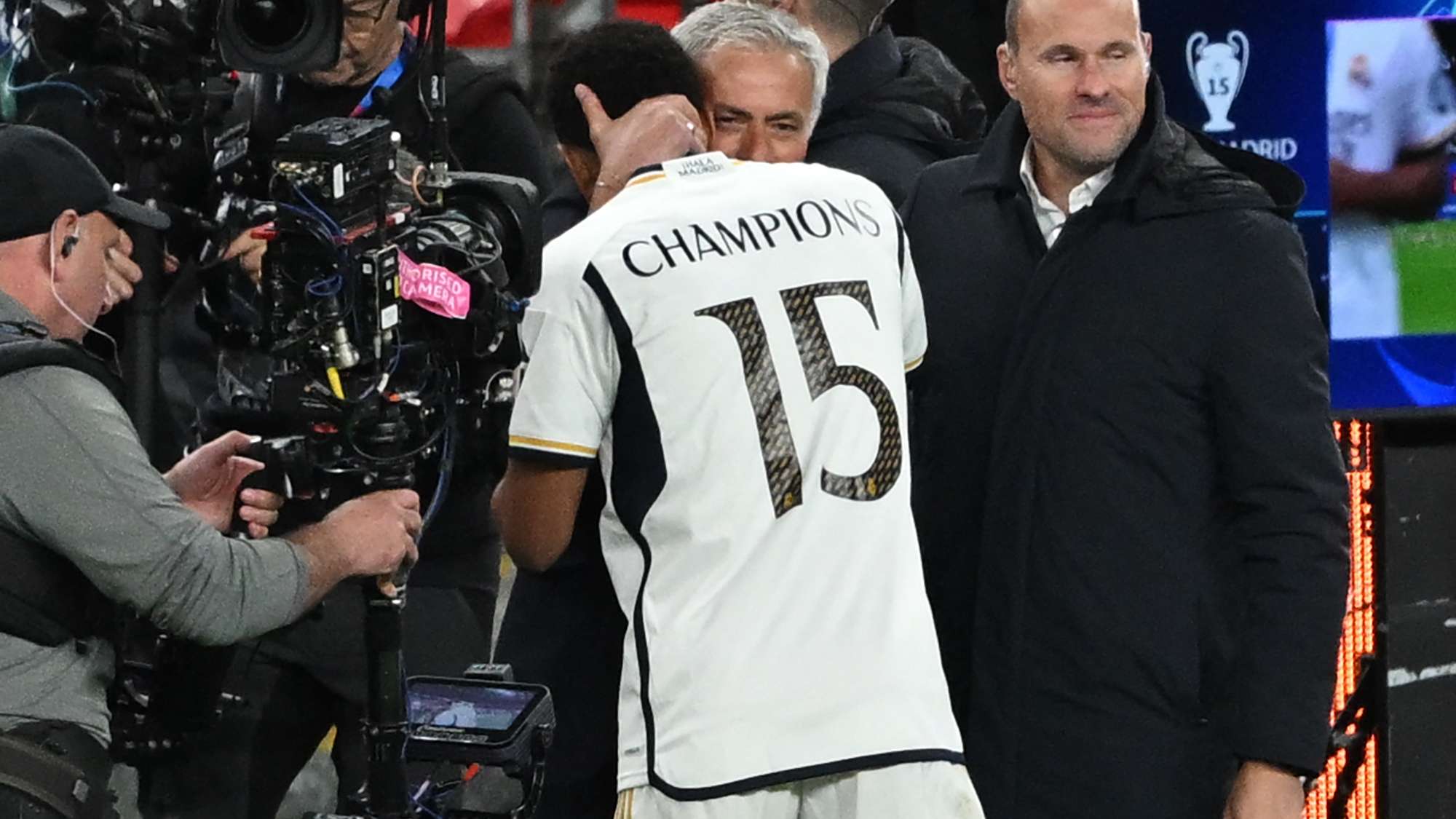

Thomas Tuchel Slams FIFA Over Suspension Upgrade
Thomas Tuchel, the manager of the England national football team, has spoken out against FIFA after defender Jarell Quansah’s one-match suspension was unexpectedly increased to a two-game ban. The controversial decision came following England’s recent victory over Mexico in the World Cup.
Despite preparing his team for a crucial quarter-final match against Norway, Tuchel expressed his frustration at the lack of explanation provided by FIFA for the sudden change in Quansah’s suspension. The England boss believes that the decision has put his team at a disadvantage as they continue their pursuit of the World Cup title.
Unanswered Questions
Tuchel’s criticism of FIFA stems from the uncertainty surrounding the reasons behind Quansah’s extended suspension. The manager revealed that he has not received any clarification or justification for the decision, leaving him and his team in a state of confusion and frustration.
Quansah, a key player in England’s defense, now faces the prospect of missing a crucial match in the tournament due to the suspension upgrade. Tuchel expressed his disappointment at the lack of transparency from FIFA, emphasizing the need for clear and consistent communication in such important matters.
Impact on the Team
The unexpected suspension upgrade has thrown England’s preparations for the upcoming quarter-final into disarray. Tuchel and his coaching staff now face the challenge of reshuffling their lineup to account for Quansah’s absence, potentially disrupting the team’s strategy and cohesion on the field.
With Norway posing a formidable challenge in the quarter-final match, England must now regroup and adapt to the absence of one of their key players. Tuchel’s frustration with FIFA’s handling of the situation reflects the team’s desire for fairness and clarity in all aspects of the game.
Looking Ahead
As England gears up to face Norway in the quarter-final, Tuchel and his players are focused on overcoming the obstacles presented by Quansah’s suspension. The team remains determined to put in a strong performance and secure a victory that will propel them closer to World Cup glory.
While the controversy surrounding Quansah’s suspension may linger, Tuchel and his team are united in their commitment to achieving success on the pitch. Despite the challenges they face, England’s resolve and determination remain unwavering as they strive to make their mark on the world stage.
In conclusion, Thomas Tuchel’s criticism of FIFA highlights the importance of transparency and consistency in football governance. As England continues their World Cup journey, they will need to overcome the obstacles presented by Quansah’s suspension and focus on delivering a strong performance on the field.
The Importance of Football Prediction in the World of Sports
Football prediction has become an integral part of the sports industry, with fans, analysts, and even managers like Thomas Tuchel relying on it to anticipate outcomes and make strategic decisions. Predicting the outcome of football matches requires a deep understanding of the game, player performance, team dynamics, and external factors that can influence the result.
Strategic Planning and Decision-Making
Football prediction plays a crucial role in strategic planning and decision-making for teams and managers. By analyzing past performances, player statistics, and tactical trends, managers can make informed decisions about team selection, formations, and game strategies. Predictive analytics can provide valuable insights that help teams optimize their chances of success on the pitch.
For Thomas Tuchel and other managers, accurate football prediction can be the difference between victory and defeat in high-stakes matches. By utilizing data-driven insights and forecasting techniques, managers can anticipate opponents’ strategies, identify their weaknesses, and capitalize on opportunities to gain a competitive edge.
Fan Engagement and Entertainment
Football prediction has also transformed fan engagement and entertainment in the world of sports. Fans and enthusiasts often participate in prediction contests, fantasy leagues, and betting activities to test their knowledge, skills, and instincts. Predicting match outcomes adds an element of excitement and anticipation to the game, enhancing the overall fan experience.
Platforms dedicated to football prediction have gained popularity, allowing fans to compete, interact, and discuss their predictions with like-minded individuals. These platforms leverage data analytics, algorithms, and expert insights to provide fans with accurate predictions, expert tips, and real-time updates on matches, players, and teams.
Data Analysis and Performance Evaluation
Football prediction relies heavily on data analysis and performance evaluation to assess teams’ strengths and weaknesses, identify trends, and predict future outcomes. Advanced statistical models, machine learning algorithms, and predictive analytics tools are used to analyze vast amounts of data, including player profiles, match results, and historical patterns.
By leveraging data-driven insights, managers like Thomas Tuchel can track player performance, monitor team progress, and make data-driven decisions to improve their team’s performance. Football prediction helps teams identify areas for improvement, adjust their strategies, and maximize their chances of success in competitive matches.
The Future of Football Prediction
As technology and data analytics continue to advance, the future of football prediction looks promising. Innovations in artificial intelligence, machine learning, and predictive modeling are revolutionizing the way teams, analysts, and fans predict match outcomes and analyze player performance.
With the increasing complexity of football dynamics and the growing demand for accurate predictions, football prediction will play an even more significant role in shaping the future of the sport. By harnessing the power of data, technology, and expertise, teams and managers can gain a competitive advantage and achieve success on the global stage.
In summary, football prediction is a vital component of the sports industry, influencing strategic planning, fan engagement, data analysis, and performance evaluation. As the world of football continues to evolve, the ability to predict match outcomes accurately will be a key factor in determining success on and off the field. Thomas Tuchel’s experience with FIFA’s decision highlights the importance of understanding and utilizing football prediction to navigate the complexities of the game.