
Nicolò Tresoldi: The Rising Football Talent Caught Between Italy and Germany
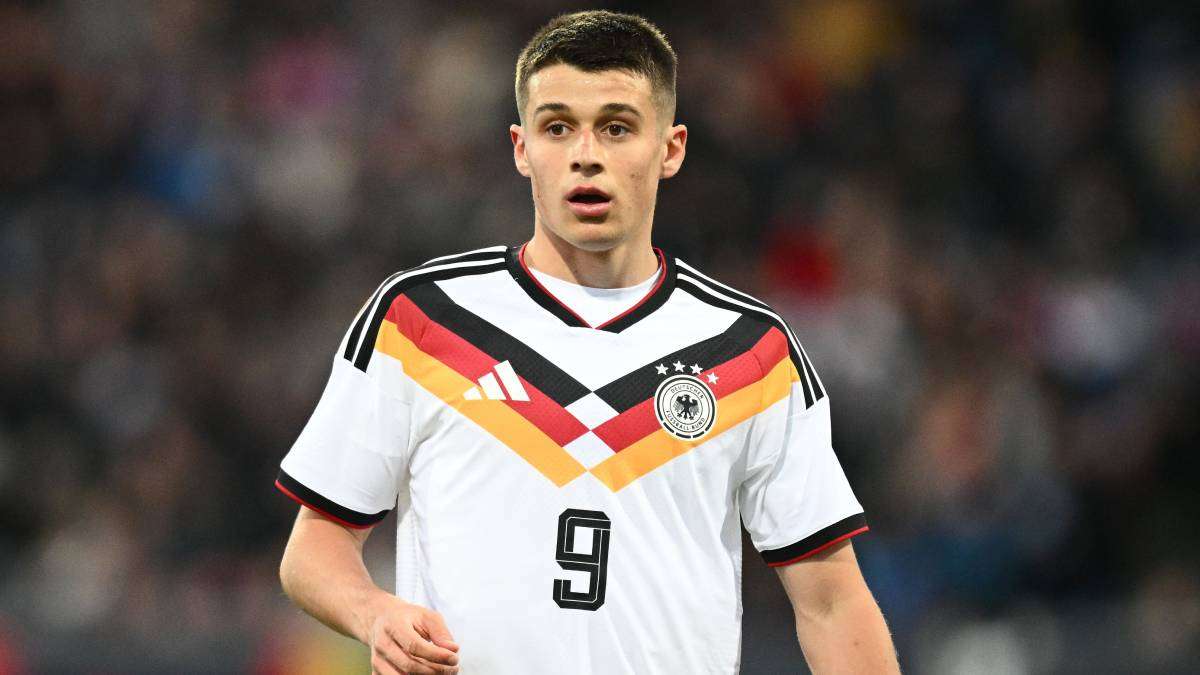
In the dynamic world of international football, young talents often find themselves at crossroads, facing decisions that could shape their careers for years to come. One such promising player is Nicolò Tresoldi, the talented midfielder born in 2004 in Cagliari, Italy. Currently plying his trade at Club Brugge, Tresoldi has garnered attention not only for his technical skills on the pitch but also for his intriguing choice regarding his senior international allegiance.
The Dual Heritage and Growing Ambitions
Born in Italy’s Sardinia region, Tresoldi’s roots are deeply Italian. However, his journey took a significant turn when he acquired German citizenship, broadening his eligibility to represent either nation at the senior level. This dual nationality has placed him in a unique position—a footballer with the potential to symbolize two proud footballing nations: Italy and Germany.
As a young player navigating his early professional years, Tresoldi has expressed a balanced perspective on his future. In an interview with Gazzetta.it, he candidly revealed, “Italy or Germany? I’m thinking it over and I’m 50-50, both nations mean a lot to me.”
Current Focus: The German Youth System
Despite the allure of representing Italy, Tresoldi has prioritized his development within the German football system. His current focus is on completing his commitments with the Germany Under-21 national team, aiming to reach the final stage of the European Championship at that age level. This decision underscores his desire to honor his current path and gain valuable international experience, which could influence his ultimate choice for senior representation.
Football experts note that such choices are often complex, involving emotional, strategic, and career-oriented considerations. Tresoldi’s approach reflects a thoughtful process, emphasizing growth and opportunity over immediate decisions.
Insights from the German National Team Coach
The management of the German national team, led by head coach Hansi Flick, has publicly acknowledged Tresoldi’s situation. Recently, coach Flick addressed speculations and clarified the player’s status, stating:
“The fact he is not there does not mean he has decided not to represent Germany. Or that he does not want to represent Italy. We do not want to put any pressure on the lads. It is a delicate issue for today’s young players, and we will respect whatever decision he makes without forcing the timing. We want to show him the prospects of our project. If he wants to take time to decide, it is right that he does so.”
This statement highlights the respectful and patient approach taken by the German federation, recognizing the importance of personal choice in such pivotal moments for young athletes. It also reflects the broader trend in international football where players with dual eligibility are given space to make informed decisions.
The Broader Context: Navigating Dual Nationality in Football
Tresoldi’s situation is emblematic of a growing phenomenon within the sport: the rise of dual-nationality players faced with complex national allegiances. With increased migration and multicultural societies, many talented young footballers find themselves eligible for multiple countries. Their decisions often involve weighing personal identity, career prospects, and emotional ties.
Football governing bodies have adapted their policies to accommodate these choices, offering players the flexibility to switch national teams under certain conditions, especially before senior debut. This evolving landscape adds a layer of strategic planning for players and clubs alike, as they aim to optimize international careers.
Implications for His Club and Future Prospects
At the club level, Tresoldi’s international decisions can influence his career trajectory and market value. International caps often serve as a showcase for talent, attracting attention from top European clubs. As a midfielder with a versatile skill set, Tresoldi’s decision could either boost his profile or delay his rise to the highest levels of club football.
Moreover, his current stint at Club Brugge provides him with a platform to develop his skills against competitive European opposition. The Belgian club’s reputation for nurturing young talent makes it an ideal environment for Tresoldi to hone his craft while contemplating his future in international football.
What the Future Holds for Tresoldi and Similar Players
While Tresoldi’s decision remains pending, football enthusiasts and analysts are keenly watching his progress. His choice will not only impact his personal career but also contribute to the broader narrative of national team strategies and talent development in Europe.
Experts suggest that players like Tresoldi could become trendsetters, encouraging national federations to adopt more flexible and supportive policies. The hope is that such players can make decisions based on genuine affinity and career aspirations rather than external pressures.
Conclusion: A Young Talent at a Crossroads
Nicolò Tresoldi’s journey exemplifies the exciting yet challenging path faced by many young footballers today. Balancing dual heritage, personal ambitions, and professional development requires careful thought and patience. As he continues his journey with Germany’s Under-21s and explores his options, the football world awaits his final decision with anticipation.
Ultimately, Tresoldi’s story highlights the evolving nature of international football—where talent, identity, and strategic planning intertwine. Whether he chooses to don the jersey of Italy or Germany, his future remains bright, and his development as a player will undoubtedly be watched closely by fans and scouts across Europe.
Predictions and Outlook: What Could Be Next for Tresoldi?
Looking ahead, football prediction models suggest that Tresoldi’s decision could hinge on several factors: his personal connection to each country, the opportunities presented by their respective national teams, and his long-term career goals. If he continues to develop at his current pace, he could become a key player for whichever national team he ultimately chooses.
Moreover, with the current trend favoring versatility and tactical adaptability, Tresoldi’s playing style could suit both Italian and German football philosophies. His decision might also influence other dual-nationality players facing similar dilemmas, shaping future trends in international football.
Final Thoughts
As Nicolò Tresoldi navigates this pivotal phase of his career, football fans and analysts alike will watch with interest. His choice will serve as a testament to the complexities and emotional depths involved in representing a nation—a decision that combines personal identity, professional ambition, and the love of the game. Whichever way he leans, Tresoldi’s journey underscores the beautiful diversity and evolving nature of international football in the 21st century.