Manchester United Managerial Crisis: Fabian Hürzeler Emerges as a Potential Carrick Successor
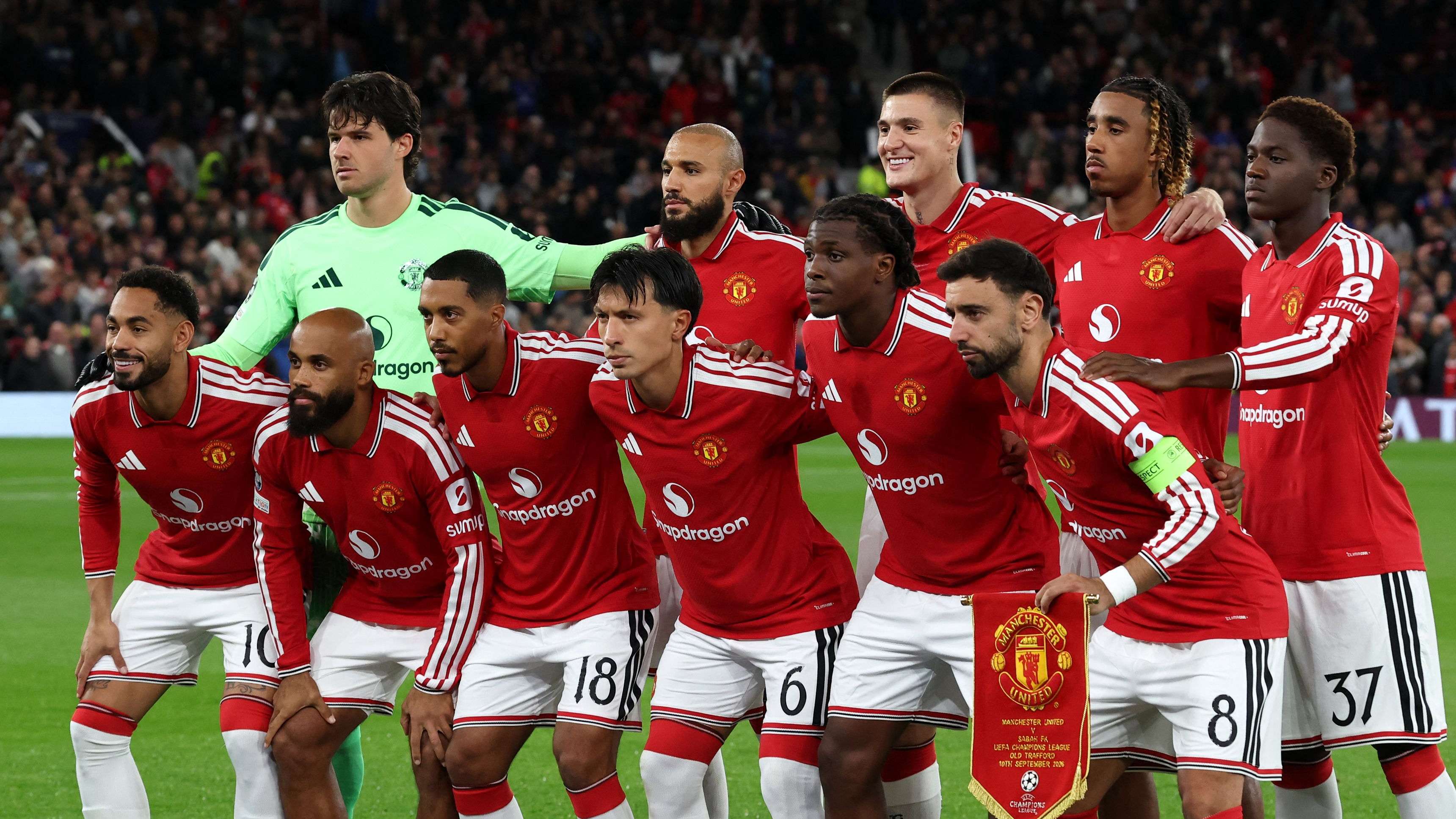
Manchester United’s season is already threatening to unravel, with poor results, growing frustration among players and renewed questions about Michael Carrick’s future. Brighton & Hove Albion manager Fabian Hürzeler has reportedly emerged as a leading candidate to replace him if United decide to make a change, according to The Sun. However, a managerial transfer would be costly—and it may not address the deeper problems troubling the club.
Carrick’s position is under pressure after United made their worst start to a season in more than 40 years. The former midfielder helped guide the Red Devils back into the Champions League after taking over from Ruben Amorim last season, but the early results of the current campaign have badly damaged the optimism that followed that achievement.
United’s results intensify pressure on Carrick
After six Premier League matches, United sit 12th with just six points. Their domestic struggles were compounded by a 2-0 Champions League defeat away to Atlético Madrid, extending a difficult run that has left the team without a win in five matches.
A disappointing 1-1 draw with fellow strugglers Tottenham also prompted Carrick to acknowledge the growing criticism. “When things don’t quite go to plan, I can sometimes understand that reaction,” he said. “Of course it hurts, it hurts a lot. It’s not a pleasant experience, but sometimes you just have to get through it.”
That response reflects the challenge facing the manager: results must improve quickly, but the team also needs a clearer identity and greater consistency. United’s next fixtures, including matches against Brighton and Crystal Palace, could prove important in shaping the mood around Carrick and the club’s short-term plans.
Lisandro Martínez points to wider club concerns
The debate is not limited to the manager. After the defeat to Atlético, defender Lisandro Martínez delivered a pointed assessment of United’s leadership, saying the performance reflected the club’s current condition. He also called for greater investment and urged the sporting department to build a squad capable of competing across multiple competitions.
“As players, we have to do more, but it’s also important to build a strong squad to be ready for nights like this,” Martínez said. He added that he expected more from sporting director Jason Wilcox and argued that United needed to keep pace with rivals strengthening their squads.
Wilcox oversaw more than €170 million in spending last summer, with much of the investment directed towards midfield. Martínez’s comments suggest that some players believe other areas still require attention, particularly in attack and at left-back. Those concerns matter because replacing a manager alone cannot resolve weaknesses in recruitment, squad depth or the club’s broader football structure.
Martínez made that point directly, warning against repeatedly changing managers without examining the rest of the organisation. His comments underline a familiar issue at Old Trafford: a new appointment may create a short-term lift, but sustained progress depends on alignment between the manager, recruitment team and senior leadership.
Why Fabian Hürzeler is being linked with Manchester United
Hürzeler is reportedly among the names being discussed as a possible Carrick successor. The 33-year-old has built a reputation as an ambitious, modern coach, and Brighton’s strong opening to the season has strengthened his profile. The Seagulls have won four of their first six league matches, while they also eliminated United from the League Cup in mid-September.
Brighton’s form is notable given that Hürzeler experienced a difficult period last season, including criticism from some supporters. The club ultimately secured qualification for the Conference League, and the manager has since overseen a more convincing start. His work at Brighton may appeal to United if the club wants a younger coach associated with energetic football and player development.
Yet a potential transfer would be complicated. Hürzeler’s contract runs until 2029, meaning Brighton would be in a strong position to demand substantial compensation. United would also need to establish whether he would consider leaving midway through a campaign, particularly while Brighton are competing in Europe and performing well domestically.
Brighton’s history and the possible cost of a coaching transfer
Brighton owner Tony Bloom has said the club is “prepared for every eventuality” if another team makes an approach for Hürzeler. Bloom has also played down the idea that losing a coach or player should dominate the club’s planning, though he acknowledged that such departures are not something Brighton wants.
The Seagulls have previously allowed a manager to leave during a season. Graham Potter moved to Chelsea in September 2022, with reports putting the compensation at around €17 million. More recently, Manchester City reportedly paid Chelsea €20 million for Enzo Maresca after Chelsea had dismissed him but retained him under contract. The benchmark for a managerial fee remains Bayern Munich’s reported €25 million payment to RB Leipzig for Julian Nagelsmann.
Those examples illustrate why appointing Hürzeler could require more than simply agreeing personal terms. Any deal would involve negotiations with Brighton, a compensation package and a decision about whether United are prepared to make a major commitment before resolving their wider squad concerns.
Antonio Conte offers a different kind of prediction
Antonio Conte has also reportedly emerged as a possible candidate. Unlike Hürzeler, the Italian is currently without a club, so United would not need to negotiate a transfer fee with another team. Conte has extensive Premier League experience, having managed Chelsea from 2016 to 2018, winning the league title in 2017 and the FA Cup in 2018.
Conte’s availability could make him a more straightforward short-term option, but his appointment would represent a different strategic choice. He is known for demanding standards and a highly structured approach, while Hürzeler would offer the prospect of a longer-term project built around a younger coach. Any prediction about United’s next move remains uncertain: reports suggest the club still have faith in Carrick, despite the mounting pressure.
For now, the immediate priority is improving performances and restoring confidence. United must decide whether Carrick can turn the season around or whether a change is necessary. But Martínez’s intervention highlights the central question facing the club: can a new manager succeed without stronger recruitment, a more balanced squad and clearer leadership? Until those issues are addressed, even a high-profile appointment may offer only a temporary solution.