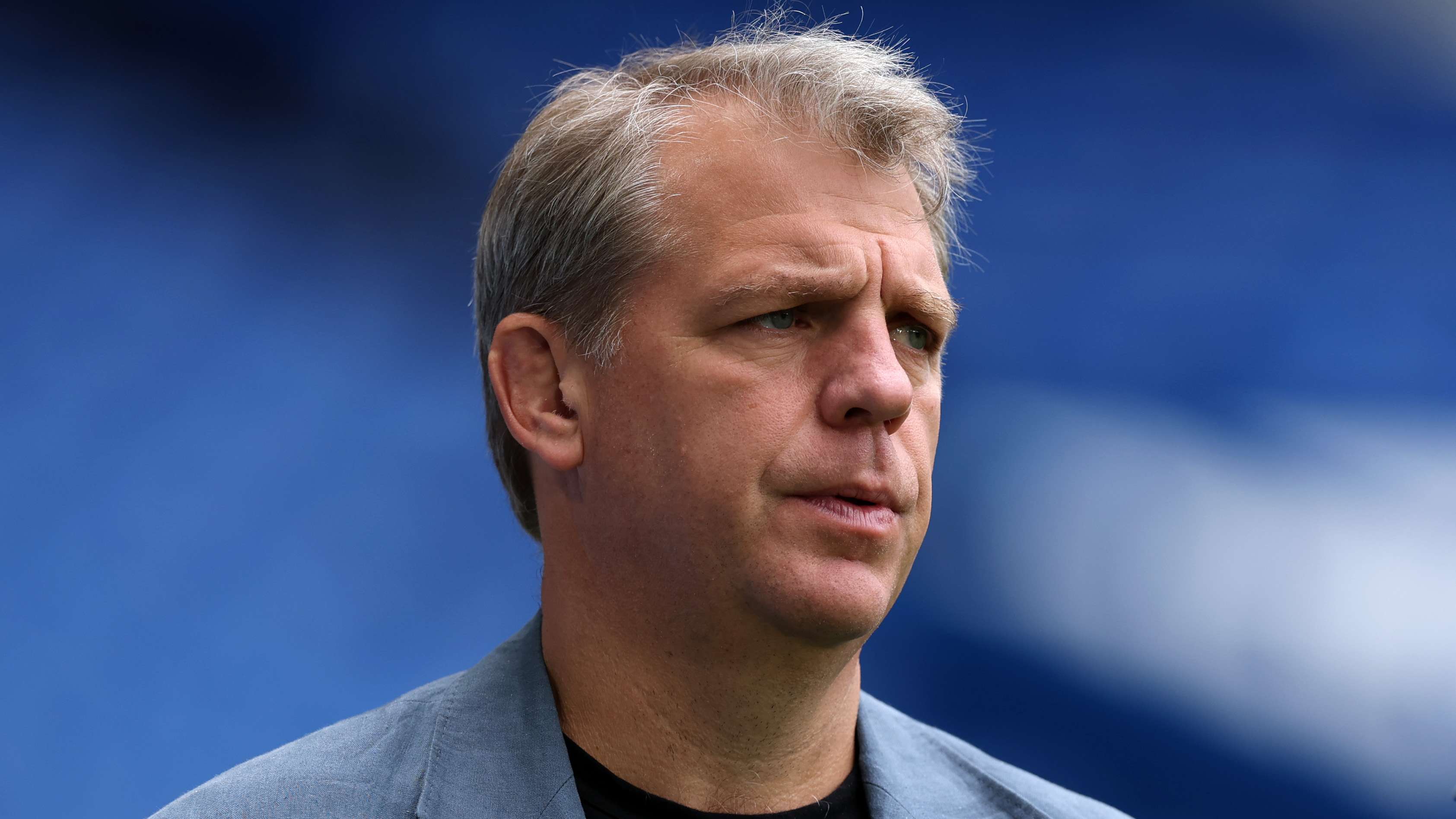

Chelsea’s Ownership Structure Undergoes Major Changes
Chelsea Football Club is in the midst of a major ownership shake-up that could have significant implications for the Premier League club. Todd Boehly and Mark Walter, who have been minority shareholders since the post-Roman Abramovich era began in 2022, are reportedly in talks to sell their stakes to Clearlake Capital, the majority shareholder.
Potential End of an Era
If the reported sale goes through, it could signal the end of a partnership that has been marked by unprecedented spending and managerial churn at Stamford Bridge. Since Abramovich’s departure, Chelsea has seen a revolving door of managers and high-profile signings, with Boehly and Walter playing a role in the club’s decision-making processes.
This potential change in ownership structure comes at a critical time for Chelsea, as the club looks to maintain its competitiveness in the Premier League and in European competitions. With Clearlake Capital potentially taking full control of the club, there could be significant changes in store for Chelsea’s future direction and financial strategy.
Impact on the Club
The reported sale of Boehly and Walter’s stakes to Clearlake Capital could have far-reaching implications for Chelsea. Clearlake Capital, as the majority shareholder, would have the final say on key decisions regarding the club’s operations, transfers, and overall direction. This could lead to a shift in the club’s transfer strategy, managerial appointments, and long-term planning.
Fans and stakeholders will be closely watching how this potential ownership change unfolds and what it means for the club’s future. The uncertainty surrounding Chelsea’s ownership structure could create a sense of unease among supporters, who have grown accustomed to the club’s ambitious approach under the current ownership group.
Looking Ahead
As discussions continue between Todd Boehly, Mark Walter, and Clearlake Capital, the future of Chelsea’s ownership structure remains uncertain. The outcome of these talks could have a profound impact on the club’s trajectory in the coming seasons, with potential changes in ownership signaling a new chapter for the Premier League giants.
It remains to be seen how this potential sale will unfold and what it means for Chelsea’s aspirations on and off the pitch. With the club’s ownership structure at a crossroads, the coming months could bring significant changes to Stamford Bridge and the wider footballing world.
In conclusion, the reported sale of Todd Boehly and Mark Walter’s stakes to Clearlake Capital marks a significant moment for Chelsea Football Club, with potential implications for the club’s future direction and competitiveness in the Premier League and beyond.
The Importance of Stable Ownership in Football
Ownership stability is crucial for the success of a football club both on and off the pitch. Changes in ownership can lead to shifts in strategy, financial uncertainty, and impact the overall culture of the club. Chelsea, a club known for its ambitious approach and high expectations, will need to navigate these changes carefully to ensure continued success.
Clearlake Capital’s potential takeover of Chelsea could bring a new era of ownership to the club, with a focus on sustainability and long-term planning. While Todd Boehly and Mark Walter have been involved in the club’s decision-making processes, Clearlake Capital’s majority stake could bring a different perspective and approach to running the club.
Financial Implications of Ownership Changes
With Clearlake Capital possibly taking full control of Chelsea, there could be changes in the club’s financial strategy. Clearlake Capital’s investment approach and business model may lead to a more conservative approach to spending, focusing on financial sustainability and prudent management of resources.
This change in ownership structure could impact Chelsea’s ability to compete in the transfer market and secure top talent. The club may need to reassess its transfer policy and focus on developing young talent from within the academy to ensure long-term success while adhering to any new financial guidelines set by Clearlake Capital.
Managing Expectations and Transition
As Chelsea navigates these ownership changes, it will be crucial for the club to manage expectations among fans, players, and stakeholders. Transition periods can be challenging, but they also present opportunities for growth and evolution. Chelsea will need to communicate effectively with all parties involved to ensure a smooth transition and maintain a sense of unity within the club.
The club’s leadership will play a key role in guiding Chelsea through this period of change. Clear communication, transparency, and a clear vision for the future will be essential in maintaining stability and confidence in the club’s direction moving forward.
Conclusion
In conclusion, the reported sale of Todd Boehly and Mark Walter’s stakes to Clearlake Capital represents a significant moment in Chelsea Football Club’s history. As the club prepares for a potential change in ownership structure, it faces new challenges and opportunities that will shape its future trajectory in the competitive world of football.
Chelsea’s ability to adapt to these changes, maintain a strong sense of identity, and continue to compete at the highest level will be tested in the coming months. With the football landscape constantly evolving, it will be interesting to see how Chelsea embraces this new chapter in its ownership history and navigates the complexities of modern football ownership.