
Timur Turlov Elected as New President of FIDE: A Historic Shift in World Chess Leadership
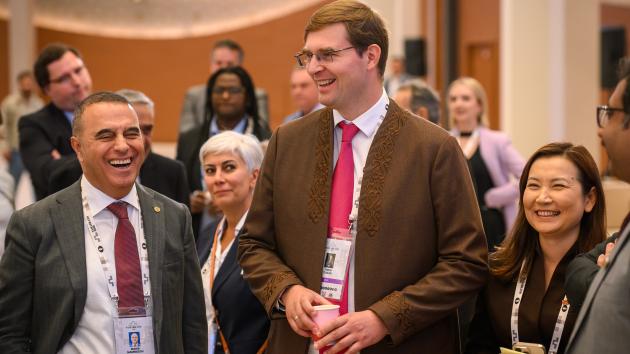
In a significant turning point for the global chess community, Timur Turlov has been elected as the new president of the International Chess Federation (FIDE) during the recent General Assembly held in Samarkand, Uzbekistan. This election marks not only a change in leadership but also signifies a potential new era for the strategic and intellectual sport of chess, with implications reaching across the entire ecosystem of players, federations, and enthusiasts worldwide.
Breaking Tradition: The End of Russian Dominance in FIDE Leadership
For over three decades, Russian figures have predominantly led the international chess federation, with Kirsan Ilyumzhinov serving as president from 1995 until 2018, followed by Arkady Dvorkovich. Turlov’s election as the first non-Russian president since then signals a notable departure from this long-standing trend. The 38-year-old billionaire, originally born in Russia and now a prominent figure in Kazakhstan, brings with him a fresh perspective and a wealth of financial backing that could influence the future direction of chess governance.
This historic election not only symbolized a geographical shift but also reflected broader changes within the chess community, which has increasingly embraced diversity and global leadership. As the game continues to grow in popularity across continents, the appointment of a leader with international business experience and a diverse background is viewed as a strategic move to position chess for future expansion and modernization.
The Election Process: A Hard-Fought Battle
The race for FIDE presidency was fiercely contested, featuring three prominent candidates. Timur Turlov faced off against Wadim Rosenstein, a well-known figure in the chess community, and German Freestyle Chess co-founder, Daniel King. The latter was eliminated in the initial round, leaving Turlov and Rosenstein to battle it out in a decisive runoff.
During the first ballot, Turlov led with 96 votes out of 196, narrowly missing the majority threshold of 99 votes (50% plus one). Rosenstein garnered 76 votes, while Daniel King received 20. The rules of FIDE dictate that a candidate must secure a simple majority to win outright, which meant the contest was headed for a second round.
In the subsequent runoff, Turlov received 110 votes, thanks in part to the endorsement from his opponent, Daniel King, and his running mate, Malcolm Pein. Rosenstein, supported by Chinese businessman Gordon Tang, secured 85 votes. The final tally ended with Turlov’s victory, marking a pivotal moment for chess leadership globally.
Leadership Promises: A Vision for Growth and Unity
In his acceptance speech, Timur Turlov expressed gratitude to the voters, supporters, and his campaign team. He emphasized a commitment to ensuring equal treatment for all national chess federations, highlighting a vision centered around growth, inclusivity, and unity within the chess community.
“You will always be able to count on me,” Turlov declared. “Every member federation, every person… will be treated equally well.” His promise to foster an environment of fairness and opportunity resonates strongly with a global audience eager for a revitalized and transparent leadership.
Adding a personal touch, Turlov remarked, “Now I have so many new friends. Thank you for that. Today is a victory for chess— for every player, every federation, and everyone who believes in the potential of our game.” His words underscore a collective aspiration to elevate chess to new heights, emphasizing collaboration over competition.
The Impact of Turlov’s Leadership on the Future of Chess
As the new president of FIDE, Turlov’s impact is expected to be multifaceted. His financial influence and international outlook could accelerate initiatives aimed at popularizing chess among youth, integrating digital innovations, and promoting gender equality within the sport. Moreover, his leadership might help bridge gaps between traditional chess institutions and emerging online platforms, a move crucial in an era where the digital realm increasingly fuels the game’s growth.
Furthermore, his partnership with five-time World Chess Champion Viswanathan Anand, who was elected as Deputy President, signals a strategic alliance between youth, experience, and global chess icons. Anand’s reputation as both a legendary player and a respected ambassador could serve as a vital asset in implementing Turlov’s vision for a more inclusive and dynamic chess federation.
Reactions from the Chess Community
The victory was met with a mixture of optimism and cautious anticipation from the international chess community. Wadim Rosenstein, the runner-up, acknowledged the results with professionalism, stating, “The results have been acknowledged.” His brief response reflected respect for the democratic process and readiness to cooperate moving forward.
Meanwhile, supporters of Turlov recognized his election as a step toward modernizing the sport. Prominent chess commentators and federations expressed enthusiasm for his plans to foster growth, enhance transparency, and expand the game’s reach globally.
Looking Ahead: The Future of Chess Under Turlov
With a four-year term ahead, Timur Turlov faces the significant task of translating campaign promises into tangible actions. Key priorities are likely to include expanding online chess platforms, increasing accessibility for underrepresented regions, and reinforcing the integrity and appeal of the sport amidst rapid digital transformation.
Additionally, fostering stronger collaboration among national federations and supporting grassroots initiatives will be essential for nurturing future generations of chess players. His leadership could also influence the organization of major tournaments, potentially paving the way for more innovative formats and global outreach programs.
Concluding Thoughts: A New Chapter for the World of Chess
The election of Timur Turlov as FIDE president signifies more than a change of leadership; it embodies a renewed hope for the evolution of chess into an even more inclusive, innovative, and globally connected sport. As the chess world embarks on this new chapter, stakeholders and fans alike are eager to see how his vision will shape the future of the game.
In a time where digital engagement and international cooperation are vital, Turlov’s presidency could catalyze transformative changes, ensuring chess remains a timeless and universally cherished game for generations to come.