
Jurrien Timber Welcomes Arsenal’s Competition at Right-Back
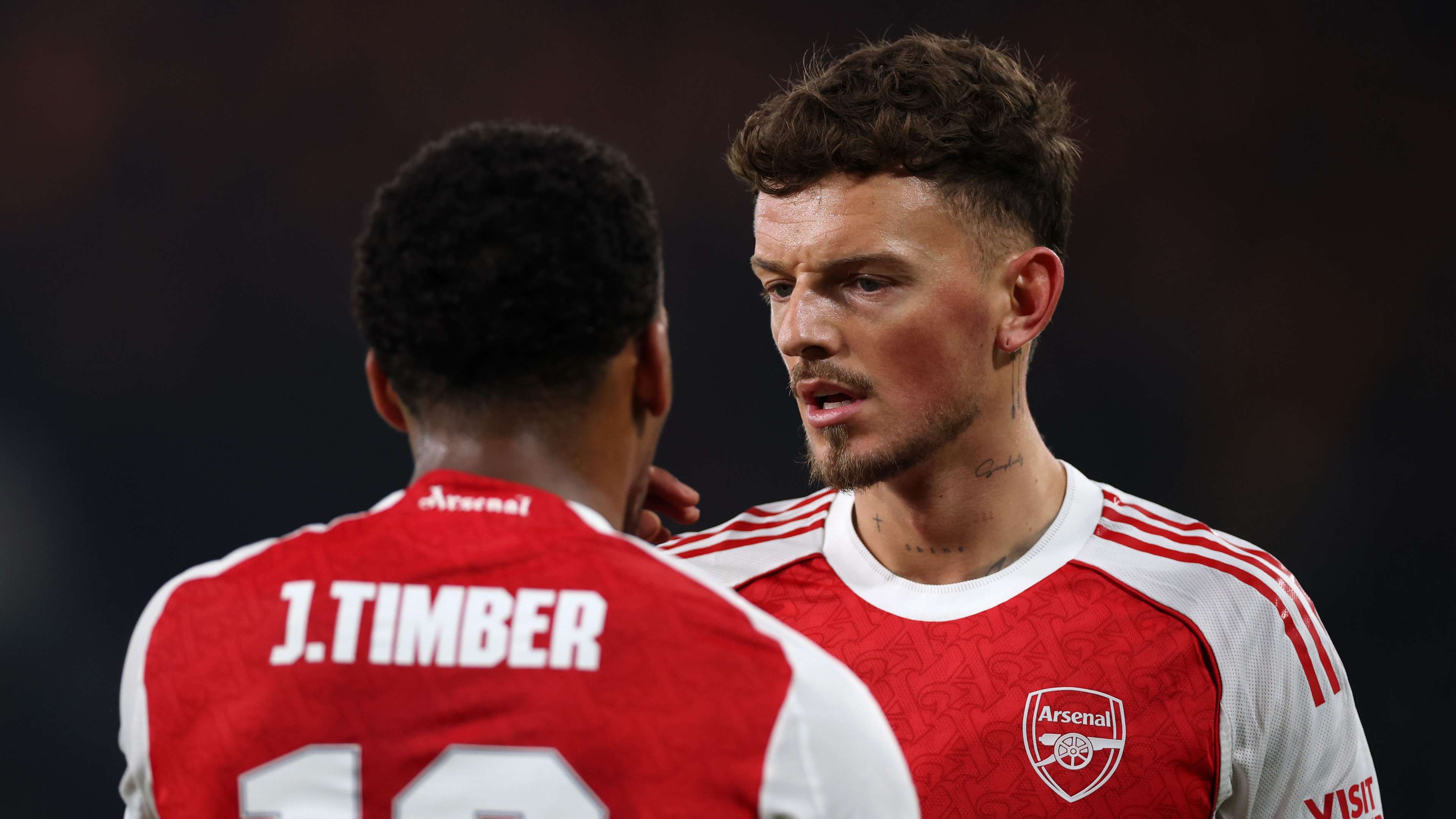
Jurrien Timber says he is enjoying the challenge of competing with Ben White for a starting place at Arsenal, describing the internal contest as a positive force for the team. The Dutch defender believes that having two versatile, high-quality options in the same area can raise standards across Mikel Arteta’s squad and help the Gunners pursue their ambitions in domestic and European football.
Rather than viewing White as an obstacle, Timber sees the competition as an opportunity to improve. Both players can operate at right-back and bring different strengths to the role, giving Arteta flexibility when selecting his team. For Arsenal, that depth is particularly valuable across a demanding season, when injuries, fixture congestion and opponents’ tactics can all influence the manager’s choices.
Why the Timber–White Battle Matters to Arsenal
Competition for places is a familiar feature of successful squads, but it can be especially important in a team built around detailed tactical roles. Arteta asks his defenders to do more than simply protect the penalty area. Depending on the match, a full-back may be expected to provide width, move into midfield, support the press or help Arsenal build attacks from the back.
Timber’s adaptability gives the manager several ways to use him. The Netherlands international has experience across the defensive line and is comfortable contributing in possession. White, meanwhile, has developed into a dependable part of Arsenal’s structure, combining defensive awareness with the ability to support attacks. Their contrasting qualities allow Arteta to adjust his approach without necessarily changing the team’s overall system.
That tactical choice can matter against very different opponents. Arsenal may need a more cautious defender in one fixture, then select a player who can help overload the midfield in another. Having two capable options means the decision can be shaped by the demands of the game, rather than by a lack of alternatives.
Versatility Offers Arteta More Options
Modern football places heavy demands on full-backs. They must defend quickly in open spaces, read the movement of opposing wingers and make accurate decisions when joining the attack. At Arsenal, those tasks are made more complex by the team’s emphasis on controlled possession and coordinated pressing.
Timber’s ability to play in more than one defensive position can help cover for absences elsewhere, while White’s familiarity with Arsenal’s patterns gives the team continuity. That combination is useful over a long campaign: one player can start when the tactical match-up suits him, while the other remains ready to contribute from the bench or in a different role.
Depth is not only about having a substitute available. It also allows a manager to rotate players before fatigue becomes a problem. With league matches, cup competitions and European fixtures placing pressure on the schedule, keeping key players fresh can make a significant difference. A strong alternative at right-back gives Arteta greater scope to manage minutes without weakening the team’s overall balance.
Healthy Competition Can Raise Standards
Timber’s positive view of the contest reflects a broader principle in elite sport: players often improve when they know a place in the starting line-up must be earned. Training sessions become more demanding, concentration levels stay high and small details—such as positioning, recovery runs and the quality of a final pass—can carry greater weight.
For defenders, those details are crucial. A moment of hesitation can allow an opponent to create a chance, while a well-timed interception or forward run can change the rhythm of a match. The presence of another strong candidate encourages both players to maintain their level, even when one has enjoyed a run in the starting team.
Competition can also benefit the squad beyond the two players involved. When standards rise in training, teammates must respond, and the overall intensity of preparation can improve. That is especially important for a side trying to compete on several fronts, where consistency over many months is often as important as individual moments of brilliance.
What the Contest Could Mean for Arsenal’s Season
Arsenal’s ability to challenge for major honours depends on more than the strength of its first-choice eleven. A team needs reliable options across the squad, particularly in positions that require substantial running and repeated one-on-one defending. Right-back is one such role, with players regularly asked to cover long distances while switching between defensive and attacking responsibilities.
Timber and White give Arteta the chance to respond to changing circumstances. If one player is unavailable, the other can step in. If the opponent presents a particular threat, the manager can select the defender he believes is best suited to the task. That flexibility may prove useful in close matches, where a small tactical adjustment can influence the outcome.
It also creates a more demanding environment for both players. Neither can assume that past performances guarantee future selection. Instead, each must continue to demonstrate reliability, fitness and tactical discipline. For supporters, that competition offers a compelling subplot: every appearance can strengthen a player’s case for the next starting opportunity.
A Prediction for the Right-Back Role
Any prediction about who will start most often should be treated cautiously, as selection can change with form, fitness and the opposition. White’s established role at Arsenal may give him an advantage in certain fixtures, while Timber’s versatility and technical qualities could make him an attractive option in others. The most likely outcome is not necessarily a permanent winner, but a season in which both defenders have meaningful roles.
That shared responsibility could ultimately serve Arsenal better than relying on one player for every match. Rotation can protect against fatigue, reduce the risk of overloading a key defender and keep tactical options open. It also gives Timber time to build rhythm after returning to the demands of regular football, while allowing White to remain an important part of the squad.
Timber’s Mindset Reflects Arsenal’s Ambition
Timber’s willingness to embrace the battle sends a useful message about his approach. He is not presenting competition as a source of frustration, but as a challenge that can help him—and the team—move forward. That attitude aligns with the standards Arteta expects from a squad aiming to remain among the leading sides in English football.
For Arsenal, the key will be turning individual ambition into collective progress. Timber and White may be competing for the same starting position, but both have a role in supporting the team’s objectives. If their contest pushes each to perform at a higher level, Arteta will have more than a selection dilemma: he will have the kind of depth and flexibility that can make a difference over a long, demanding season.