
Liverpool’s Defensive Concerns Grow After Late Champions League Defeat to Fenerbahce
Liverpool’s Champions League campaign suffered a dramatic setback in Istanbul, where the Reds lost 3-2 to Fenerbahce despite taking the lead twice. The result was notable not only for the late turnaround, but also for a troubling defensive pattern: Liverpool have now conceded three goals in three consecutive Champions League matches for the first time in the club’s history.
According to Opta, Liverpool had never before taken the lead so late in a European competition match and still gone on to lose. Substitute Alexander Isak put the visitors ahead in the 69th minute, briefly raising hopes of a fourth straight win in the league phase. Fenerbahce responded quickly, however, and turned the match around before the final whistle.
Nyoni Makes European History as Liverpool Take Early Lead
Liverpool began the match without Florian Wirtz, who was introduced midway through the second half, but found an early breakthrough through academy midfielder Trey Nyoni. The 19-year-old scored in the 25th minute, registering his first goal in 32 appearances for the senior side.
Nyoni’s strike also carried a place in Liverpool’s record books. He became the youngest player in the club’s history to score his first goal in a European competition match. It was a significant personal milestone, though the young midfielder’s achievement was ultimately overshadowed by the result.
Fenerbahce drew level just before the half-hour mark when Mason Greenwood scored to make it 1-1. The equaliser gave the hosts a foothold in the contest and reflected the pressure they were beginning to apply against a Liverpool defence that has looked vulnerable in recent European fixtures.
Isak’s Goal Could Not Prevent the Istanbul Comeback
The match remained finely balanced after the break. Liverpool looked to have seized control when Isak, brought on as a substitute, headed home in the 69th minute to restore the visitors’ advantage. At that point, the Reds appeared close to maintaining their perfect record in the Champions League league phase.
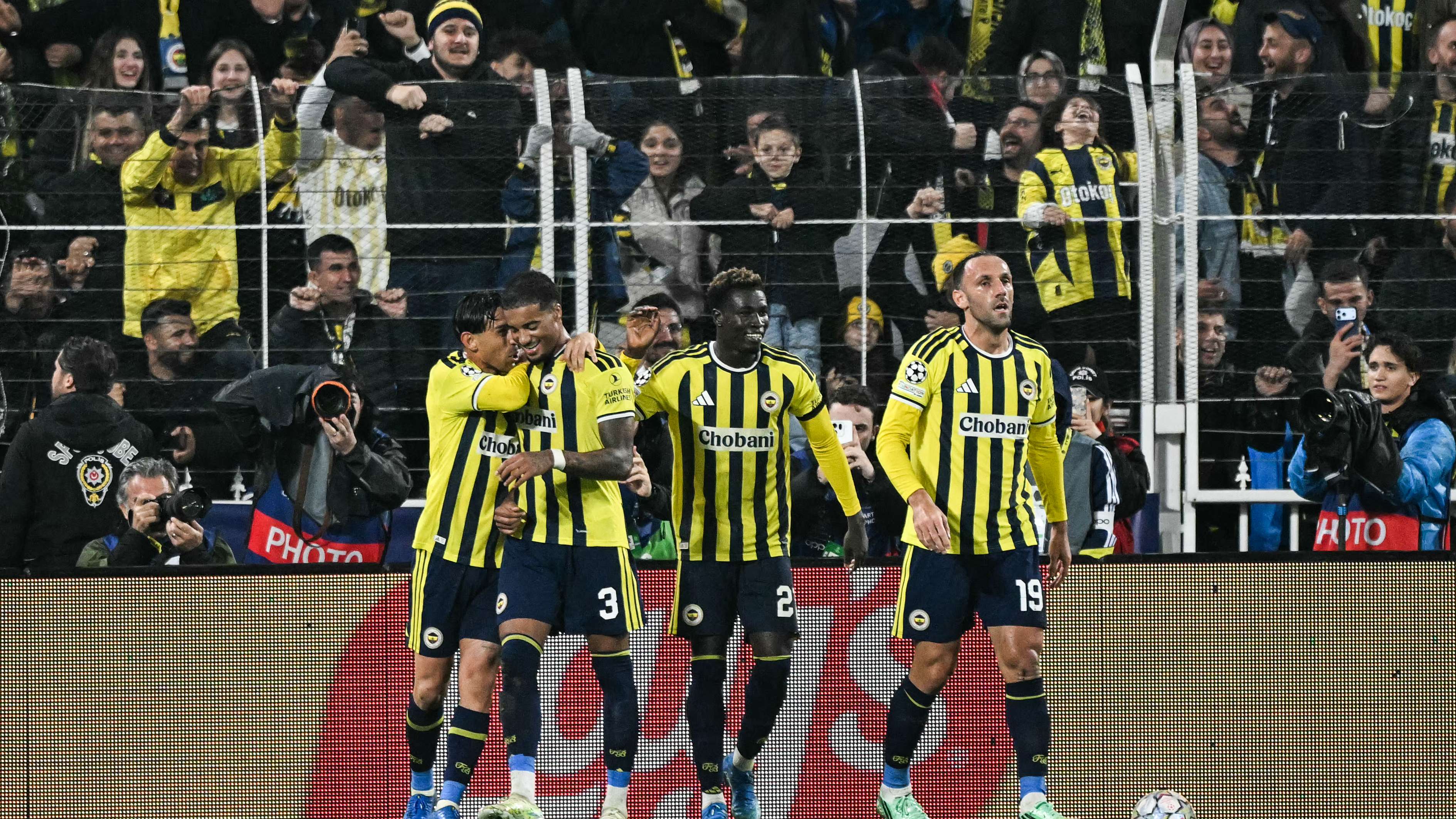
Instead, Fenerbahce responded with urgency. Archie Brown equalised in the 73rd minute, only four minutes after Isak’s goal, leaving Liverpool little time to settle back into the match. The home side then completed the turnaround when centre-forward Vedat Muriqi headed in the winning goal, sending the Istanbul crowd into celebration and securing Fenerbahce’s first victory of this Champions League campaign.
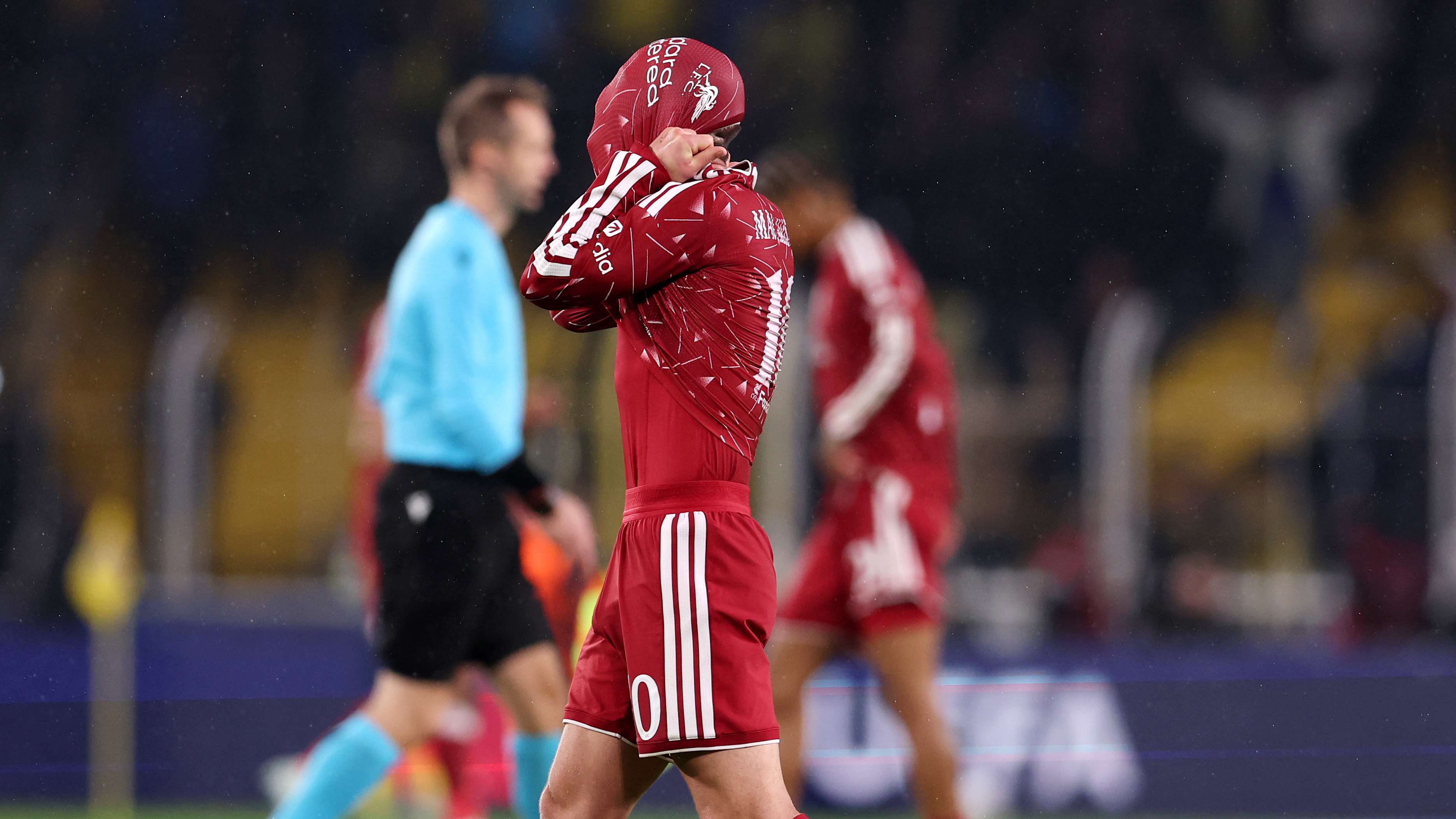
For Liverpool, the quick succession of goals was especially damaging. Twice they had moved in front, yet neither lead lasted long enough to provide control. The final 3-2 scoreline left the visitors empty-handed and raised fresh questions about their ability to protect advantages against high-pressure European opponents.
Three Consecutive Matches of Defensive Struggles
The defeat extended a worrying run for Liverpool in Europe. The Reds have conceded ten goals across four Champions League matches this season. More strikingly, they have let in three goals in each of their last three games: a 6-3 victory over LASK, a 4-3 win against Villarreal and the 3-2 loss to Fenerbahce.
Those results show that Liverpool remain capable of scoring freely, but they also underline how difficult it has been for the team to keep matches under control. The attack has produced enough to win high-scoring contests, yet repeated defensive lapses have left little margin for error. Against Fenerbahce, Liverpool’s inability to manage the final stages proved decisive.
The pattern will concern supporters and coaching staff alike. Conceding heavily in a single match can be explained by an unusual performance or a particularly strong opponent. Doing so in three consecutive Champions League fixtures points to a more persistent issue—whether in defensive positioning, communication, pressure resistance or the team’s ability to protect space after losing possession.
What the Result Means for the Champions League Table
Despite the setback, Liverpool remain in a strong position to reach the league phase’s top eight. The Reds have nine points, keeping them in contention for direct qualification to the round of 16. Under the competition’s format, the teams finishing in the top eight advance directly, while those placed ninth to 24th must compete in a two-legged play-off round.
Fenerbahce’s win gives the Turkish side five points and provides an important boost as they pursue a place in the next stage. For Liverpool, the immediate challenge is to turn their promising attacking output into more reliable results. A high league-phase position remains achievable, but further dropped points could make the route to automatic qualification more difficult.
Liverpool Prediction: Attack Offers Hope, Defence Needs a Response
Any prediction about Liverpool’s next Champions League performances must account for two contrasting trends. The team has shown it can create goals and take the lead against quality opposition, with Nyoni and Isak both making decisive contributions in Istanbul. Yet the defensive record suggests that attacking talent alone may not be enough to secure consistent wins.
The next step is likely to depend on how quickly Liverpool can improve their organisation without the ball and manage momentum after scoring. Against Fenerbahce, the Reds were unable to slow the game down after going ahead, allowing the hosts to strike back almost immediately. Better game management could be just as important as changes to the defensive line.
There is still plenty of football to be played in the league phase, and Liverpool’s nine points leave their campaign firmly alive. But this defeat is a clear warning: if the Reds continue conceding at their current rate, even strong attacking performances may not be enough to guarantee a top-eight finish. Their response in the coming matches will reveal whether the Istanbul collapse was a temporary stumble or part of a deeper defensive problem.