
Naveen-ul-Haq Opens Up About Injury Setback and His Patient Road Back to Cricket
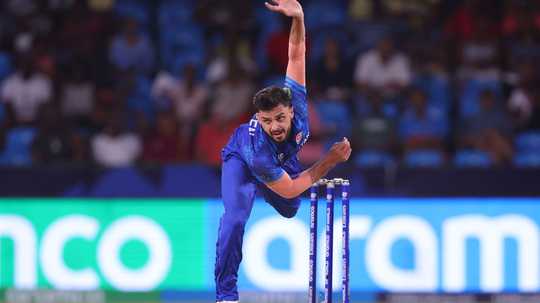
Afghanistan fast bowler Naveen-ul-Haq has described the emotional blow of suffering a shoulder injury just minutes before he hoped to return to international cricket against India. After months of rehabilitation and nearly two years away from Afghanistan duty, Naveen was preparing for the opening T20I of the teams’ three-match series in Delhi when the problem flared up again.
The setback came at the worst possible moment: around 20 minutes before the toss. Naveen had worked through a lengthy recovery with the aim of making his international comeback, but discomfort in his shoulder led him to withdraw rather than risk worsening the injury. Speaking to Cricbuzz, he said the experience was “shattering,” particularly after nine months of focused fitness work and rehabilitation.
A Return Delayed at the Last Moment
Naveen’s absence from the India series was not a decision taken lightly. He had been building towards a return after a long spell away from Afghanistan’s team, and the prospect of playing again had given purpose to an arduous recovery. But when he felt something wrong in his shoulder before the first match, he chose caution.
“I didn’t play because I didn’t want to take a risk,” he explained. For a fast bowler, protecting the shoulder is especially important: the repeated high-speed action places considerable stress on the joint, and rushing back can turn a manageable problem into a longer absence. In that sense, stepping aside before the toss was a difficult but practical choice.
The episode also underlined the uncertainty that often surrounds an athlete’s return from injury. A player can complete months of rehabilitation and feel close to match fitness, yet still face a setback when the body is tested under the pressure of competition. For Naveen, the disappointment was sharpened by how close he had come to playing.
Shoulder Injury and a Long Rehabilitation Process
Naveen’s career has been interrupted by a stress injury in his right shoulder, which ruled him out of this year’s T20 World Cup. Although the stress fracture healed within roughly eight to ten weeks, his recovery took longer than expected. He later underwent a second operation to repair the labrum and tighten the shoulder capsule.
That additional procedure meant returning to full bowling intensity required patience. Rehabilitation for a fast bowler is not simply a matter of waiting for pain to disappear. It involves rebuilding strength, restoring movement and gradually increasing workload so the shoulder can withstand the demands of a full spell. A bowler also needs to regain confidence in the joint before returning to competitive cricket.
Naveen said the contrast between the busy life of a professional cricketer and the isolation of rehabilitation has been difficult. Before the injury, he was frequently travelling between international commitments and franchise leagues. Afterward, his routine shifted to the gym, treatment sessions and work with physiotherapists. The change, he said, can be mentally challenging when it continues for an extended period.
Accepting the Risks of Fast Bowling
Rather than treating injuries as an unusual interruption, Naveen views them as part of the demands of fast bowling. He acknowledged that professional cricket brings travel, opportunities and a high-profile lifestyle, but also carries the possibility of surgery, missed tournaments and long periods away from the game.
That acceptance does not make the setbacks easy. It does, however, shape how he approaches them. Naveen said he does not want to dwell on what he has missed or feel sorry for himself. Instead, he is focused on finding a way to recover and return when his body is ready.
At 27, he believes he still has several productive seasons ahead. Naveen estimates that he could have six or seven years of top-level cricket remaining, with the period up to his mid-thirties potentially representing the peak of his career. That perspective has helped him frame rehabilitation as an investment in the years still to come, rather than a race to get back for one particular match.
Gautam Gambhir’s Supportive Conversation
One moment that helped Naveen regain perspective came after the third T20I against India. He was sitting alone at the ground when India head coach Gautam Gambhir, who had coached him at Lucknow Super Giants in the IPL, asked why he had not played.
Naveen said the two spoke for around 20 to 25 minutes. He was able to explain how difficult it had been to come close to an international return after nine months of work, only to suffer another injury. The conversation, he said, helped him stop dwelling on the disappointment and think more constructively about rebuilding.
Support from a former coach can matter during a period when an athlete is separated from the team environment. Gambhir’s familiarity with Naveen’s game and career gave the discussion a personal dimension, while its focus on cricket helped the fast bowler consider the next steps rather than the setback alone.
No Fixed Comeback Date or Selection Target
Naveen is not setting a deadline for his return, nor is he preoccupied with whether he will immediately regain a place in Afghanistan’s playing XI. He said he trusts his ability and believes his past performances have already demonstrated what he can offer when fit.
His priority is to complete rehabilitation, rebuild strength and return only when he has full confidence in his shoulder. He wants to be certain that he can bowl at match intensity, including delivering a full four-over spell, before taking the next step. That cautious approach is intended to reduce the chance of another interruption and prevent questions about his readiness from overshadowing his cricket.
For fans following Afghanistan cricket, Naveen’s progress will be an important story to watch. Any cricket prediction about his next appearance remains uncertain because he has deliberately avoided naming a target date. His eventual return will depend on medical progress, training workloads and how his shoulder responds to the demands of bowling.
Patience Over Pressure
Naveen’s message is one of resilience without false promises. He understands that a comeback may not happen immediately and that selection is never guaranteed, but he remains confident in his skills. Franchise cricket could offer another route to competitive action when he is ready, though his first priority is to be fully fit.
He also says experience has taught him to stay level-headed through both success and failure. Cricket can change quickly: a strong performance may be followed by a difficult one, just as a promising recovery can be interrupted by an unexpected problem. For Naveen, the task now is to accept that uncertainty, continue his rehabilitation and return only when he is ready to compete without reservation.
The India series setback was painful, but it has not ended his ambitions. Naveen is choosing patience over pressure, with the aim of making a durable return to international and league cricket rather than rushing back for the sake of a deadline.