
Analyzing the Current State of the Netherlands Football Team: A Closer Look at Jan Paul van Hecke’s Performance
The Netherlands national football team, renowned for its rich history and tactical prowess, has recently faced scrutiny over its defensive lineup. As fans and pundits alike scrutinize the squad’s recent performances, one player has come under particular criticism: young defender Jan Paul van Hecke. Prominent football analyst and former player Theo Janssen has voiced strong opinions about van Hecke’s role and effectiveness, especially after their recent matches against Germany and Serbia.
Recent Defensive Challenges and Tactical Observations
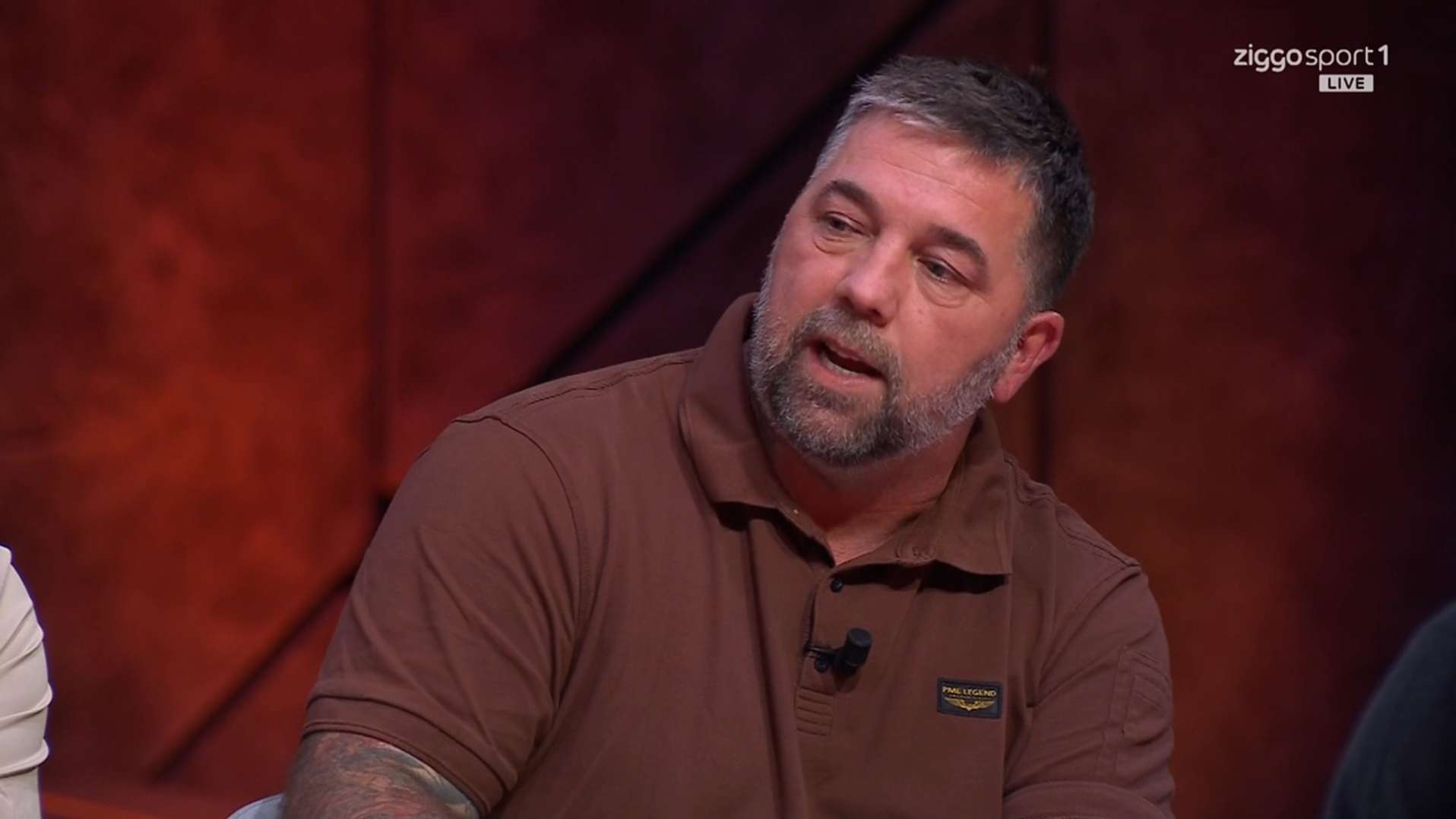
During the past week, the Dutch team deployed a central defensive partnership featuring van Hecke alongside seasoned star Virgil van Dijk. The matches, a 1-1 draw against Germany and a narrow 2-1 victory over Serbia, exposed vulnerabilities in the Dutch backline. Janssen’s analysis on Ziggo Sport’s “Rondo” program sheds light on the tactical shortcomings and individual performances that are shaping current perceptions of the team’s defensive stability.
Janssen notes that the Dutch build-up play heavily relies on a three-man backline, consisting of Van Hecke, Van Dijk, and Van de Ven. While this approach offers certain offensive advantages, it also exposes defensive gaps—especially when players are caught out of position or unable to efficiently cover wide areas.
Van Hecke: The Weak Link in Defensive Line
According to Janssen, Jan Paul van Hecke appears to be the most vulnerable link in the squad. “In the last match, it struck me that they build up quite a lot with three men: Van Hecke, Van Dijk, and Van de Ven,” Janssen explains. “You can see that very clearly in their style of play.”
Focusing on Van Hecke’s individual performance, Janssen emphasizes that the defender’s strengths and weaknesses are evident. “On the ball, but also defensively, Van Hecke is not at the level required for international football right now,” he states. “He tends to play simple short passes, shows little initiative to dribble forward, and prefers to stay in the center. This predictability makes it easier for opponents to anticipate his moves.”
Vulnerability When Playing Out Wide
One of the critical issues Janssen highlights is Van Hecke’s vulnerability when tasked with playing out wide. As the Dutch team pushes higher up the pitch, Van Hecke often finds himself out of position, especially when the opposing winger or full-back advances. Janssen points out that this problem becomes glaring when Dumfries, the team’s primary right-back, pushes forward, leaving Van Hecke exposed on the flank.
“Once Van Hecke is dragged wide, he becomes very slow and shows poor timing,” Janssen explains. “He’s often caught out of position, and his slow reactions make him an easy target for quick attackers. This is particularly problematic when he’s forced to defend against fast wingers or when he needs to recover after the opposition switches play quickly.”
Concerns About Passing and Decision-Making
Janssen also criticizes Van Hecke’s passing accuracy and decision-making under pressure. “He tends to give the ball away frequently with passes of ten to fifteen meters through the middle,” the analyst remarks. “This habit can lead to dangerous situations, especially when the team is caught in transition.”
A notable example cited by Janssen was during the 89th minute of the Serbia match. Van Hecke attempted to build from the back inside his own penalty area but lost possession in a dangerous spot. The incident immediately raised eyebrows among fans and pundits alike, as it showcased the defender’s vulnerability under pressure.
Expert Recommendations and Future Considerations
Janssen’s critique extends beyond individual performances, touching on tactical adjustments that could improve the team’s defensive solidity. He suggests that if Timber, another promising defender, is fit, coach Xavi Simons should consider replacing Van Hecke in the starting lineup. The pairing of Dumfries and Van Hecke, according to Janssen, is “hopeless” and needs urgent revision.
Looking ahead, the Dutch team faces upcoming fixtures in the UEFA Nations League, including a crucial match against Greece. The prediction for such fixtures hinges heavily on defensive organization and individual performances. For fans and analysts, the question remains: will the coaching staff address these vulnerabilities and give opportunities to emerging defenders like Timber?
Broader Context: The Importance of Defensive Stability in Modern Football
In contemporary football, especially at the international level, defensive stability is paramount. Teams that excel often do so because of a well-organized backline capable of adapting to quick transitions and pressure. The Netherlands, historically known for their attacking flair and tactical innovation, now faces the challenge of balancing offensive creativity with defensive reliability.
Young defenders like Jan Paul van Hecke are often put under immense pressure to perform at the highest level without the same level of experience as seasoned internationals. His current form highlights the importance of robust training, tactical discipline, and mental resilience. Coaches must recognize that developing young talent involves patience and strategic positioning, especially in high-stakes tournaments.
Implications for Football Prediction and Betting Markets
For football enthusiasts and bettors, understanding the nuances of team form and player performance is essential. The critique of Van Hecke’s performances indicates that the Netherlands’ defensive stability may be less reliable than some predictions suggest, especially if the team continues to field inexperienced defenders or tactical mismatches persist.
When analyzing upcoming fixtures, such as the UEFA Nations League match against Greece, predictions may lean towards an underdog or cautious approach if defensive concerns remain unaddressed. Bettors should consider not only team form but also individual player performances, tactical adjustments, and injury reports to make informed predictions.
Conclusion: The Road Ahead for the Netherlands Football Team
The criticism of Jan Paul van Hecke underscores broader challenges faced by the Netherlands national team in maintaining defensive resilience amid evolving tactical demands. While the team possesses talented players and a rich footballing tradition, addressing defensive vulnerabilities—particularly in the central and wide areas—is crucial for future success.
As the team prepares for upcoming matches, including high-stakes encounters in the UEFA Nations League, both fans and analysts will be watching closely to see if tactical adjustments and player selections can elevate the Dutch defense. Ultimately, a balanced approach that fosters emerging talent while ensuring tactical discipline could be the key to restoring the Netherlands’ reputation as a formidable footballing nation.