
Mourinho’s First El Clásico: The 5–0 Defeat That Defined a Rivalry
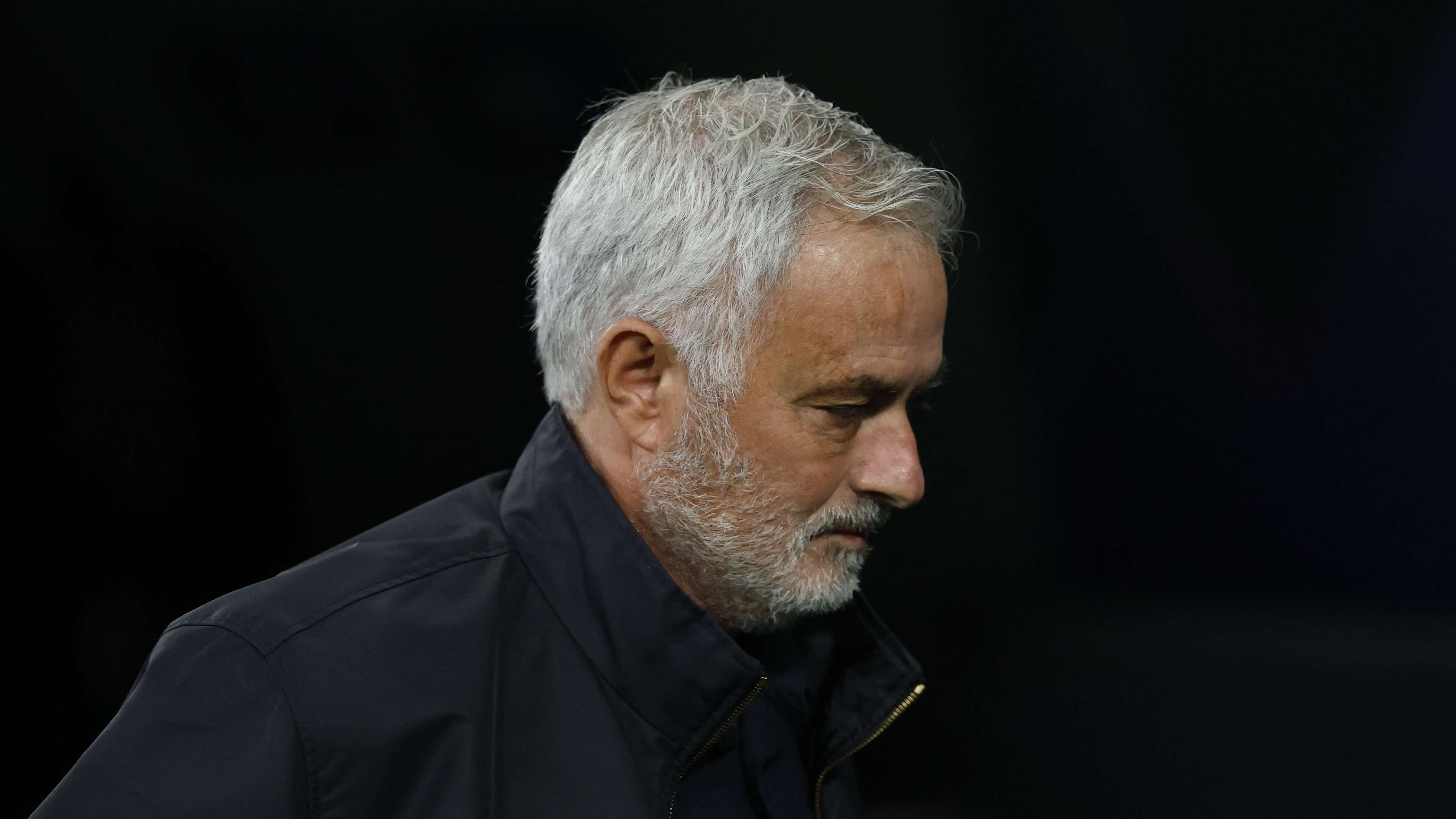
José Mourinho’s first El Clásico as Real Madrid manager could hardly have been more difficult. On 29 November 2010, his side travelled to Camp Nou carrying an unbeaten record in LaLiga—and left with a crushing 5–0 defeat to Barcelona. The result was more than a painful entry in the standings: it offered a stark reminder of the challenge facing Madrid against Pep Guardiola’s formidable team.
On the eve of another meeting between the Spanish giants, the match remains one of the most memorable Clásicos of the modern era. Mourinho later described the loss as the worst of his coaching career up to that point. His candid response reflected the scale of Barcelona’s performance and the rare sight of a Mourinho team being so thoroughly outplayed.
Madrid Arrived Unbeaten, but Barcelona Set the Pace
Real Madrid had made an impressive start to the 2010–11 league campaign. They had gone through the first 12 rounds without losing, while Mourinho had yet to suffer a competitive defeat since taking charge that summer. Confidence was high, and the fixture was widely viewed as an early test of whether Madrid could challenge Barcelona for domestic supremacy.
Barcelona, however, quickly took control. The home side moved the ball with confidence, pressed aggressively and repeatedly found space between Madrid’s defensive and midfield lines. The opening goal arrived in the 10th minute, when Xavi Hernández finished a move to give the hosts the lead. Eight minutes later, Pedro Rodríguez made it 2–0, putting Barcelona firmly in command before the break.
The scoreline was damaging, but the manner of the first half was just as significant. Madrid struggled to disrupt Barcelona’s rhythm, while the hosts looked comfortable dictating the tempo. For Mourinho, the interval brought an urgent tactical decision—and little time to find a solution.
Second-Half Changes Could Not Stop the Rout
Mourinho responded at the start of the second half by replacing Mesut Özil with Lassana Diarra. The change was intended to bring greater balance and resilience to the midfield, but Barcelona continued to exploit the spaces around Madrid’s defence.
David Villa struck twice in a three-minute spell, scoring in the 55th and 58th minutes. Lionel Messi supplied the assists for both goals, underlining his influence even though he did not get on the scoresheet. Villa’s finishing turned a difficult night for Madrid into a rout, while Barcelona’s quick combinations made it increasingly hard for the visitors to recover their shape.
Jeffrén Suárez completed the 5–0 scoreline in first-half stoppage time—at the end of the match’s added time—with a late goal that sent Camp Nou into celebration. Madrid’s frustration also boiled over in the closing moments. Sergio Ramos was shown a red card after fouling Barcelona captain Carles Puyol, adding a disciplinary setback to the heavy defeat.
The Statistics Behind Barcelona’s Control
The match numbers captured the imbalance on the pitch. Barcelona held 66% of possession, leaving Madrid with 34%, and recorded 15 shots to the visitors’ five. The hosts also struck the woodwork six times, a remarkable figure that suggested the margin could have been even greater.
Those statistics help explain why the result became such a defining reference point. Barcelona were not simply more clinical in front of goal; they controlled territory, created more opportunities and repeatedly forced Madrid onto the defensive. The possession figures reflected a broader tactical contrast: Guardiola’s side sought to dominate through patient passing and movement, while Madrid struggled to impose the direct, aggressive approach Mourinho wanted.
Although numbers alone cannot describe the intensity of a Clásico, they provide useful context for readers considering a future football prediction. Possession, shot volume and defensive discipline can all shape a match, but rivalry games also carry unpredictable elements—individual brilliance, early goals and emotional pressure among them.
Mourinho’s Honest Assessment
After the final whistle, Mourinho did not try to disguise what had happened. He acknowledged Barcelona’s superiority, admitted that his team had played extremely badly and praised the exceptional performance of their opponents. His description of the defeat as the worst of his career at the time was a striking admission from a coach known for his confidence and competitive edge.
That response also showed why the match became an important chapter in Mourinho’s Madrid tenure. The defeat exposed the distance between the teams on that particular night, but it also gave the Portuguese manager a clear picture of the standard his side needed to reach. El Clásico is rarely only about one result; it is also about momentum, identity and the psychological contest between two clubs with enormous expectations.
Why the 2010 Clásico Still Matters
Barcelona’s 5–0 victory remains a landmark in the rivalry because it combined a decisive scoreline with an unmistakable display of tactical control. Xavi and Pedro established the early advantage, Messi created chances for Villa, and the team maintained its intensity until the final moments. For Madrid, the match was a painful lesson in how quickly a high-profile contest can slip away when an opponent controls the ball and exploits defensive gaps.
For supporters looking ahead to another Barcelona–Real Madrid meeting, the historical comparison is compelling but should be treated carefully. Past results can add context to a football prediction, yet they cannot determine what will happen in a new match. Squads, managers, tactics and form change over time. The lasting lesson from Mourinho’s first Clásico is instead that preparation and composure matter enormously when two elite sides meet—and that even an unbeaten team can be overwhelmed when its rival produces a near-perfect performance.