
The Challenges Facing Moroccan Football: A Crisis in the Domestic League
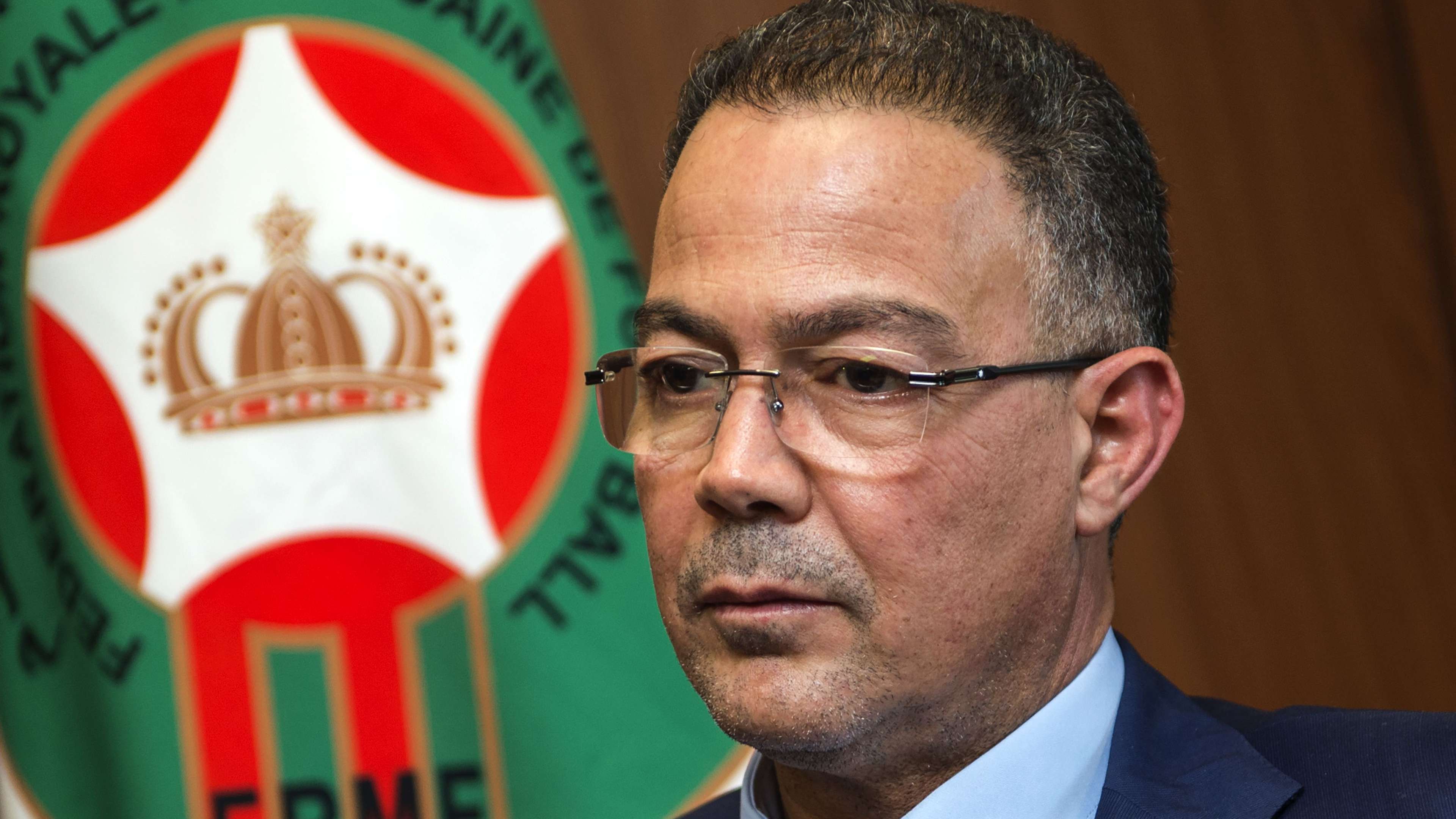
Moroccan football has been making significant strides in recent years, with success at the national-team level and improvements in infrastructure. However, there is a major crisis brewing within the domestic league that needs urgent attention. Fouzi Lekjaa, the president of the Royal Moroccan Football Federation, has raised concerns about mounting debts, growing disputes, and matches becoming a platform for protests.
A Call for Action
Despite the progress seen in Moroccan football under Lekjaa’s leadership since 2014, the president has sounded the alarm on the challenges plaguing the domestic league. The warning from a figure as influential as Lekjaa highlights the severity of the situation and the need for immediate action.
Lekjaa’s tenure has been marked by financial and administrative reform projects aimed at improving the overall health of Moroccan football. However, recent financial data paints a troubling picture, with several top clubs grappling with debts and disputes running into millions of dollars. This raises questions about the effectiveness of the reforms in addressing one of the most pressing issues in professional football.
The Reality of Debt and Disputes
Debt and disputes have long been a thorn in the side of Moroccan football clubs, hindering their ability to compete effectively and threatening their long-term sustainability. The current situation, as highlighted by Lekjaa, underscores the urgent need for a comprehensive solution to address these challenges.
Several prominent clubs in Morocco are facing financial difficulties, with debts piling up and disputes escalating. This not only impacts the clubs themselves but also has wider implications for the entire football ecosystem in the country. Without swift intervention, the crisis could deepen, leading to further instability in the domestic league.
A Call for Reform
Lekjaa’s warning serves as a wake-up call for all stakeholders in Moroccan football to come together and find sustainable solutions to the crisis at hand. Addressing the issues of debt, disputes, and protests in matches requires a coordinated effort from clubs, governing bodies, and other relevant parties.
The reforms implemented by Lekjaa over the years have laid a foundation for progress in Moroccan football, but more needs to be done to tackle the systemic challenges facing the domestic league. By prioritizing financial stability, transparency, and accountability, Moroccan football can overcome the current crisis and build a stronger future for the sport.
Looking Ahead
As Moroccan football continues to enjoy success on the international stage, it is crucial to address the challenges at home to ensure the long-term viability of the sport. With the spotlight now on the domestic league, the time is ripe for decisive action to resolve the crisis and pave the way for a more sustainable and prosperous future for Moroccan football.
Keywords: football, prediction
The Impact of Debt on Moroccan Football Clubs
Debt is a significant issue that plagues many Moroccan football clubs and poses a serious threat to their stability and competitiveness. The mounting debts faced by these clubs not only hinder their ability to invest in players, infrastructure, and training facilities but also jeopardize their long-term financial health. This not only affects the clubs themselves but also has a ripple effect on the entire football ecosystem in Morocco.
Clubs burdened with debt often struggle to meet their financial obligations, leading to issues such as delayed payments to players and staff, which can create a negative atmosphere within the team. Moreover, the pressure of debt can impact a club’s ability to attract sponsors and investors, further exacerbating their financial woes.
In the context of the domestic league, the presence of heavily indebted clubs can distort the competition and create an uneven playing field. Clubs with greater financial resources may have a significant advantage over those struggling with debt, potentially leading to a lack of competitiveness and fairness in the league.
The Role of Predictions in Overcoming Challenges
One way to address the challenges facing Moroccan football clubs is through the use of data analytics and predictive modeling. By leveraging advanced statistical techniques and machine learning algorithms, clubs can gain valuable insights into player performance, team tactics, and match outcomes. Predictive analytics can help clubs make informed decisions regarding player recruitment, training programs, and tactical strategies, ultimately improving their on-field performance and competitiveness.
Furthermore, predictive modeling can also be used to forecast financial trends, identify potential risks, and develop strategies to mitigate the impact of debt on clubs. By analyzing historical financial data and market trends, clubs can better manage their finances, optimize revenue streams, and reduce the risk of insolvency.
Implementing a data-driven approach to decision-making can help Moroccan football clubs navigate the challenges of debt, disputes, and protests more effectively. By harnessing the power of predictive analytics, clubs can enhance their operational efficiency, maximize their resources, and improve their overall performance both on and off the field.
Collaboration and Innovation for a Sustainable Future
Addressing the crisis in the domestic league requires a collaborative effort from all stakeholders involved in Moroccan football, including clubs, governing bodies, sponsors, and fans. By working together towards common goals and embracing innovative solutions, the football community in Morocco can overcome the challenges at hand and build a more sustainable and prosperous future for the sport.
Investing in youth development programs, promoting financial transparency, and fostering a culture of accountability are essential steps towards ensuring the long-term viability of Moroccan football. By fostering a climate of innovation and collaboration, Moroccan clubs can cultivate a competitive edge, attract top talent, and elevate the quality of the domestic league.
In conclusion, while the challenges facing Moroccan football are significant, they also present an opportunity for growth, innovation, and positive change. By embracing data-driven strategies, promoting collaboration, and prioritizing financial stability, Moroccan football clubs can navigate the current crisis and emerge stronger and more resilient in the years to come.