
Zamalek Demand Answers From Egyptian FA After Al-Ahly VAR Controversy
Zamalek have renewed their criticism of the Egyptian Football Association (EFA), asking for a clear explanation after their request to review the video assistant referee (VAR) room audio from their derby against Al-Ahly was rejected. The dispute has added another layer of tension to an already heated Egyptian Premier League rivalry, with the Cairo club seeking greater transparency over both the VAR decision and several refereeing calls made during the match.
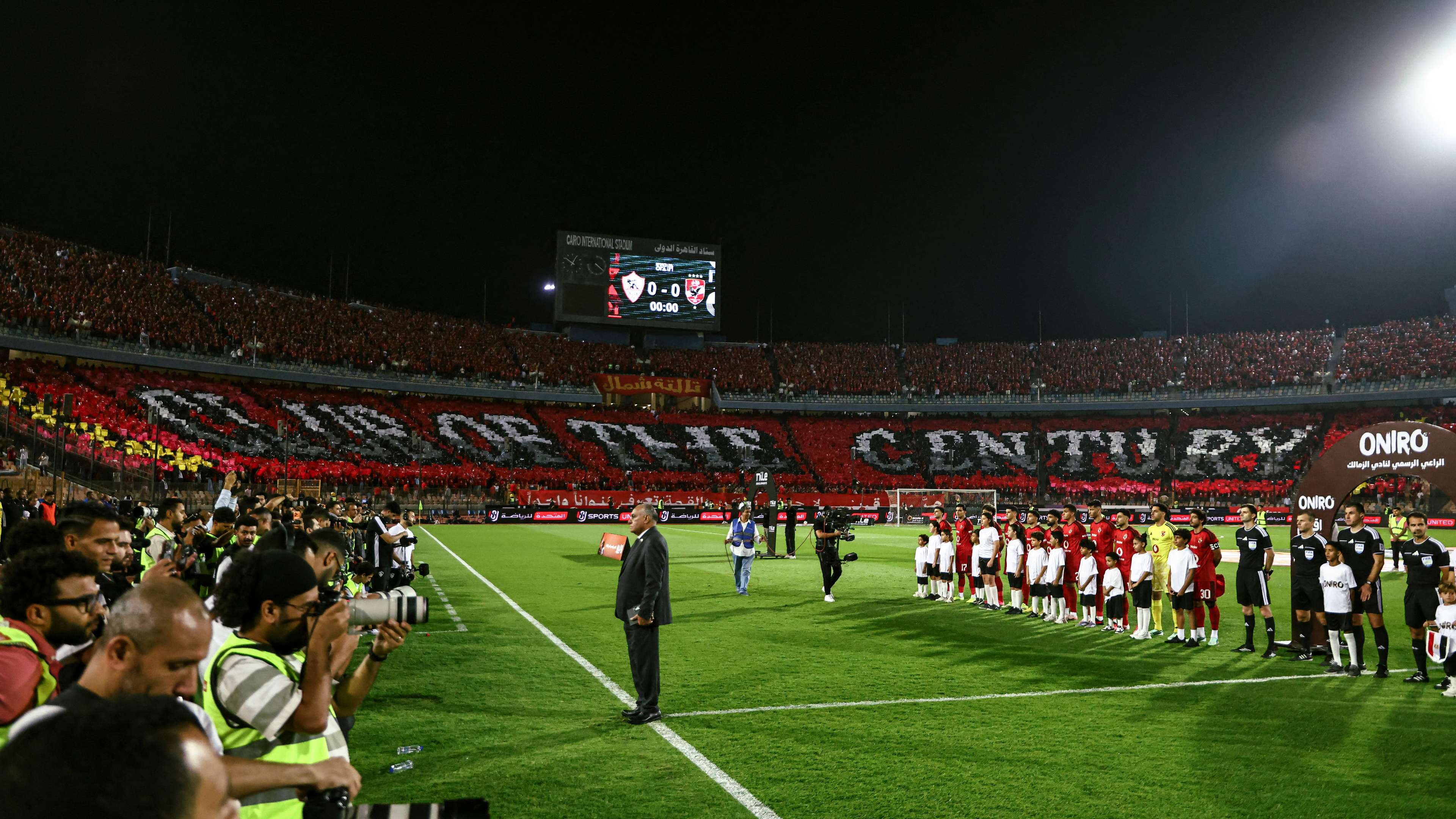
The issue follows Zamalek’s 2-0 defeat to Al-Ahly in the sixth round of the league. After the game, Zamalek lodged an official complaint concerning the refereeing team, the match director and Al-Ahly supporters. The club argued that disputed decisions affected the course of the contest and may have influenced the final result.
Club questions an unannounced VAR policy
In a statement responding to the EFA’s reply, Zamalek said it appreciated receiving an official response but remained dissatisfied with important parts of it. The club was particularly surprised by the association’s explanation that a decision had been made during the previous season not to allow clubs to listen to VAR room conversations.
Zamalek said the policy had not been announced through the EFA’s official channels and that the club had never received direct notification of it. The absence of a public announcement, the club argued, left it unclear how the decision was made, when it took effect or whether it was applied consistently across Egyptian football.
The club is now asking the EFA to disclose the number of the meeting minutes in which the restriction was approved. Zamalek says providing that information would help explain why its request was refused, particularly because it believes a comparable request was handled differently during the previous season.
The request is not simply about gaining access to audio. VAR conversations can help clarify how match officials assessed key incidents, but access rules also need to be consistent and clearly communicated. Without a published policy, clubs and supporters may struggle to understand what procedures apply after controversial matches.
Zamalek wants an official assessment of disputed calls
The VAR audio is only one part of the club’s complaint. Zamalek also says the EFA’s response did not give a direct, detailed position on the incidents it had challenged during the Al-Ahly match. In the club’s view, a general reply is not enough to settle questions about specific decisions that it believes disrupted the game and affected its outcome.
Zamalek’s statement referred to comments made by the head of the referees’ committee in the media. The club said those remarks appeared to acknowledge that its side had not been treated fairly in relation to some decisions. It questioned why, if those comments had been made, the association had not issued a clear public assessment of the incidents themselves.
That distinction matters in a competition where a result can have consequences well beyond one match. A transparent review would not necessarily change the score, but it could explain how officials interpreted the laws of the game and whether the same standards would be applied in future fixtures. For clubs, supporters and referees, clarity can help reduce speculation and build confidence in the process.
At the same time, any official review would need to distinguish between a confirmed error, a reasonable interpretation of a subjective incident and a decision that falls within the referee’s discretion. Publishing that reasoning, where permitted by competition rules, could offer useful context without turning every close call into a public dispute.
Questions over foreign referee appointments
Zamalek also challenged the EFA’s description of the referees’ committee’s work in bringing in the Slovenian officials who handled the derby. The club called for a clear, publicly announced system for selecting foreign referees for high-profile matches.
Such a system could explain which fixtures qualify for overseas officials, how referee crews are chosen and what standards are used to assess their performance. Zamalek also wants an official evaluation of the Slovenian crew, arguing that the review should be impartial and based on the same criteria used for domestic officials.
Foreign referees are often appointed for major games to limit pressure on local officials and reassure competing clubs. However, an overseas appointment does not automatically remove controversy. Clear selection criteria and a consistent post-match review process can help demonstrate that appointments are made professionally rather than in response to individual clubs’ influence or preferences.
Transparency could shape the league’s next steps
Zamalek concluded by saying it wants Egyptian football to be played in an atmosphere of integrity, fairness and transparency. The club pointed to the EFA’s stated commitment to equality between teams and argued that equal treatment must be reflected in the way complaints, referee appointments and VAR requests are handled.
The association now faces pressure to explain the policy behind its refusal and clarify whether it will publish an assessment of the derby’s disputed incidents. Its response could influence how similar complaints are managed throughout the season, especially as clubs continue to scrutinise VAR decisions and refereeing standards in high-stakes matches.
For now, the 2-0 result stands, and Zamalek’s dispute is focused on accountability rather than an announced change to the score. The wider question is whether the EFA can provide enough detail to reassure clubs that the rules are clear and applied consistently. In a league where the Cairo derby carries enormous sporting and public attention, a transparent explanation may be as important to restoring trust as the original decisions were to the match itself.
Football prediction: The dispute is likely to remain a talking point until the EFA provides a fuller explanation of its VAR access policy and the refereeing review process. Whether that leads to a formal change in procedure will depend on how the association responds—and whether clubs believe the same standards are being applied across the Egyptian Premier League.