
Barcelona’s Bold Financial Strategy: The 53% Plan and Its Impact on the Club’s Future
In a groundbreaking move that has sent ripples through the world of football, FC Barcelona has revealed its ambitious financial blueprint for the upcoming seasons. The Catalan giants announced their financial results for the 2025-2026 season, showcasing record-breaking operating revenues and unveiling a historic budget for 2026-2027—set to be the largest in the club’s storied history and a landmark achievement within Spanish football. Central to this strategic financial overhaul is the so-called “53% plan,” a bold initiative aimed at controlling and optimizing the club’s wage bill to ensure sustainable growth and competitive excellence.
The Context Behind Barcelona’s Financial Ambitions
Football clubs worldwide are navigating a complex landscape characterized by skyrocketing player wages, fluctuating broadcast revenues, and the ongoing impact of global economic shifts. For Barcelona, one of the most iconic and financially scrutinized clubs, maintaining a delicate balance between competitiveness and fiscal responsibility has always been paramount. The club’s recent financial disclosures underscore a proactive approach to managing their economic health while aiming to remain a dominant force on the pitch.
In the 2025-2026 season, Barcelona reported unprecedented operating revenues, driven by lucrative broadcasting deals, commercial partnerships, and a resurgence in matchday income—thanks in part to their expanding global fanbase and successful marketing campaigns. These financial gains set the stage for a historic budget forecasted for 2026-2027, which is projected to surpass all previous club records and even set new benchmarks within the realm of Spanish football—highlighting the club’s commitment to sustainable growth.
The 53% Plan: A Strategic Approach to Wage Management
At the heart of Barcelona’s financial strategy lies the “53% plan.” This initiative aims to cap the club’s wage bill at 53% of total revenue, a target designed to align expenses with income and prevent financial overreach. Achieving this balance is crucial, especially given the high-profile signings and renewals that are part of the club’s long-term sporting project.
Why 53%? The figure originates from a careful analysis of sustainable wage levels within top European football clubs. Historically, clubs that maintain their wage-to-revenue ratio below 55% tend to enjoy greater financial stability and flexibility. By setting a threshold at 53%, Barcelona aims to stay well within this safe zone, allowing room for investment in both players and infrastructure without risking financial distress.
Implementing the Wage Control Measures
The implementation of this plan involves a multifaceted approach:
- Salary Cap Enforcement: The club will enforce strict salary caps for players and staff, ensuring that collective wages do not exceed the 53% threshold.
- Contract Revisions and Renewals: Existing player contracts are being reviewed to align with the new financial parameters, with some players agreeing to renegotiate terms to facilitate compliance.
- Strategic Transfers: The transfer policy will prioritize financially prudent signings, focusing on players whose wages align with the club’s long-term fiscal goals.
- Enhanced Revenue Streams: Diversification of income sources, including expanding global merchandise sales, digital content monetization, and new sponsorship deals, will bolster overall revenue, making the wage cap more manageable.
Implications for Football Prediction and Competitive Balance
The adoption of the 53% wage control strategy has significant implications beyond mere financial health—it also influences football prediction models and the competitive landscape. By maintaining a sustainable wage bill, Barcelona can make more calculated squad decisions, focus on developing young talent, and avoid the pitfalls of overspending that have plagued some European giants.
From a football prediction perspective, clubs operating within healthy financial parameters are often more consistent over the long term. They are less vulnerable to mid-season crises or sudden financial shocks, leading to more predictable performances. For Barcelona, this means a potential return to dominance, as the club can invest wisely in emerging talents and maintain a balanced squad capable of competing at the highest levels in La Liga, the UEFA Champions League, and other competitions.
Balancing Star Power and Sustainability
One of the ongoing debates in football prediction circles revolves around the impact of star players on team performance versus the financial risks they pose. Barcelona’s strategy indicates a shift towards sustainable star management—investing in promising young players and carefully managing veteran salaries to ensure team cohesion and financial stability.
The Road Ahead: Club’s Financial Transparency and Fan Engagement
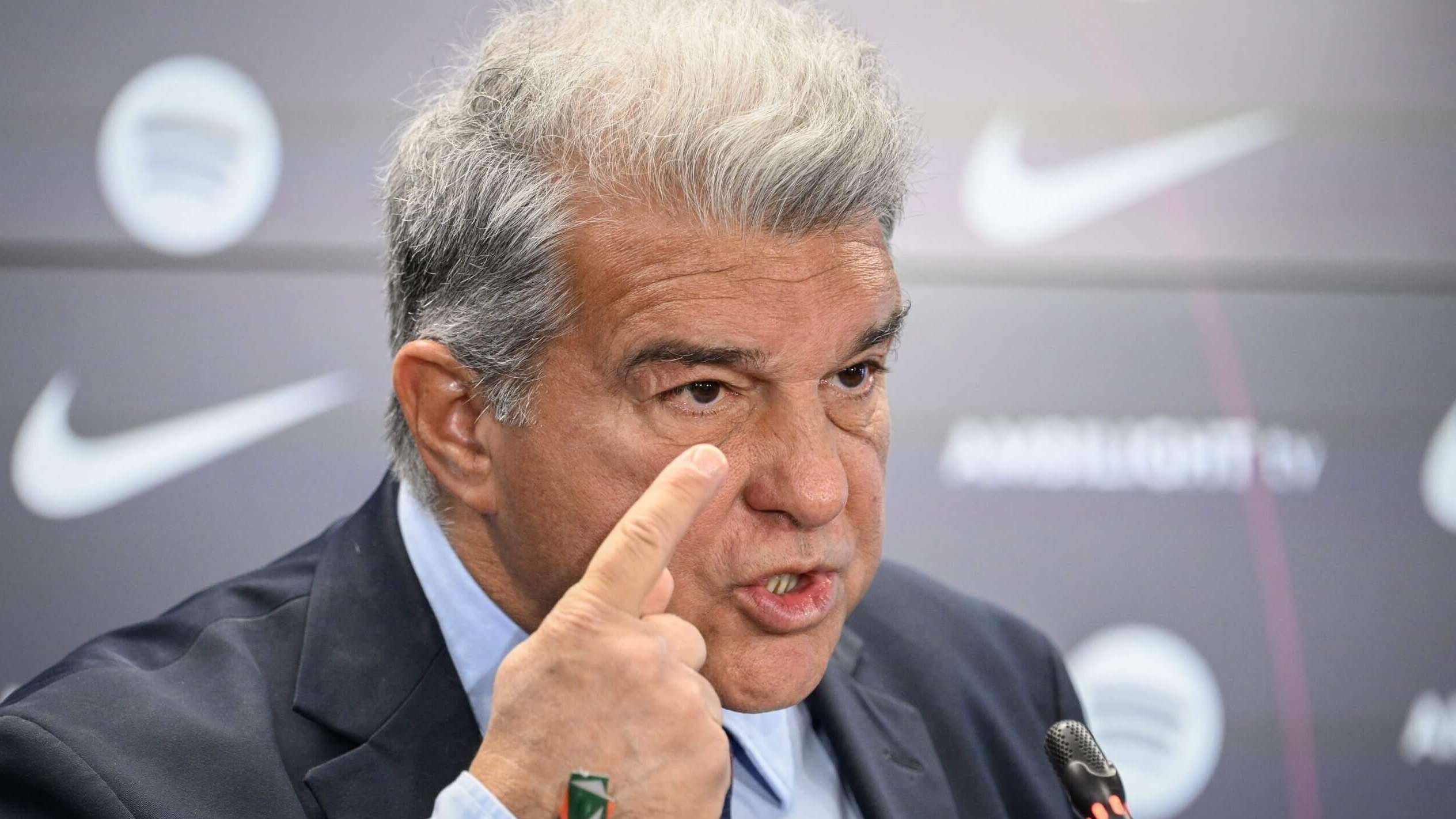
The club’s board will present the detailed financial statements and the new season’s budget for approval at the upcoming ordinary general assembly scheduled for Saturday, 19 September. This transparency not only fosters trust among fans and stakeholders but also sets a precedent for responsible financial governance within top-tier football.
Furthermore, Barcelona is leveraging digital platforms and forums such as “Kooora” to facilitate in-depth discussions among supporters, analysts, and industry experts. These interactions enrich the narrative around the club’s financial strategies, including the implications for football prediction and competitive forecasting.
Conclusion: A Forward-Thinking Approach to Football Success
Barcelona’s groundbreaking financial plans, anchored by the 53% wage bill control, exemplify a forward-thinking approach to managing a football club’s economic and sporting future. By prioritizing sustainability alongside ambition, the club aims to secure its legacy as both a footballing powerhouse and a financially resilient institution.
As the club prepares for the upcoming season, fans and analysts alike will be watching closely to see how these financial strategies translate into on-field success. With prudent management, strategic investments, and a commitment to long-term stability, Barcelona is poised to continue its legacy of excellence—setting a blueprint for other football clubs worldwide aiming for sustainable growth and sporting supremacy.