
Spanish Refereeing Committee Says Mbappé Penalty Against Racing Santander Was Wrong
Spain’s refereeing technical committee has ruled that Real Madrid should not have been awarded a penalty after Kylian Mbappé went down inside the box against Racing Santander. The decision came during Madrid’s 3-0 victory in the 11th round of the Spanish league, but a later review found that the contact from defender Mateo Prati did not cause the forward’s fall.
The committee’s conclusion gives Racing fresh support for its angry protests during the match and raises renewed questions about the use of video assistant referee technology in Spanish football. According to Spanish newspaper AS, the assessment was delivered on Wednesday as part of the committee’s review of controversial refereeing decisions.
Why the Mbappé Penalty Was Considered Incorrect
The incident occurred when Mbappé controlled the ball inside Racing’s penalty area and attempted to accelerate past Prati. As the Real Madrid forward moved away, the defender placed an arm in front of him. The referee interpreted the contact as a foul and pointed to the spot, giving Madrid the opportunity to extend its advantage.
However, the committee’s analysis concluded that Prati did not use enough force to bring Mbappé down. More importantly, it found no clear connection between the defender’s arm and the forward’s fall. Without that causal link, the contact was not sufficient to justify a penalty, according to the review.
In its explanation on the programme Tiempo de Revisar, the committee said Mbappé had control of the ball and was trying to set off quickly when Prati put an arm in front of him “without exerting any force.” The review then stated that there was “a clear absence of a causal link between the contact and the fall.”
The committee described the on-field decision as a “clear and serious error” and said VAR should have intervened. Its position is significant because video review is intended to correct obvious mistakes in high-impact situations, including penalty decisions. The verdict suggests that the officials reviewing the footage had enough evidence to recommend that the referee reconsider his call.
Racing Santander’s Protests Vindicated
Racing players immediately objected after the penalty was awarded, arguing that Mbappé had gone to ground without being fouled. At the time, their protests could not change the referee’s decision. The committee’s subsequent finding, however, confirms that the club had legitimate grounds to challenge the call.
For Racing, the ruling offers a measure of recognition after a difficult moment in a match ultimately lost 3-0. A penalty can reshape the rhythm of a game, affecting how teams defend, attack and manage risk. Even when the final score appears decisive, an incorrect decision can still influence momentum and the choices made by players and coaches.
The review does not alter the result, but it does place the incident among the season’s notable refereeing controversies. It also highlights the frustration clubs can feel when a decision is made during a match and only formally assessed afterward. By the time an official review is published, the sporting consequences have already been settled on the pitch.
What the Decision Says About VAR in Spanish Football
The committee’s criticism is directed not only at the referee who awarded the spot-kick but also at the failure of VAR to correct it. Under the system, video officials are expected to intervene when they identify a clear and obvious error. The committee’s description of the incident as serious indicates that, in its view, the threshold for intervention had been met.
That distinction matters. Not every touch inside the penalty area is a foul, and not every fall proves that illegal contact occurred. Referees must judge the nature and force of the challenge, as well as whether it caused the player to lose balance. The committee’s explanation focuses on precisely those details: Prati’s arm was present, but the contact was not forceful enough to account for Mbappé’s fall.
For supporters following football prediction discussions, refereeing decisions are an important part of match analysis, even though they cannot be forecast with certainty. A penalty can affect a team’s scoring chances, tactical approach and live-match expectations. This incident is a reminder to consider more than team form and player quality when assessing a fixture: officiating, VAR decisions and game context can also shape the outcome.
Mbappé, Real Madrid and the Debate Over Contact
The episode also illustrates the fine line officials must navigate when judging contact involving fast attackers. Mbappé’s pace and ability to change direction can make defensive challenges difficult to assess in real time. A defender may make contact without committing a foul, while a seemingly minor obstruction can still be penalised if it clearly impedes an opponent.
In this case, the committee’s review rejected the idea that the arm across Mbappé’s path caused his fall. That assessment does not diminish the forward’s role in Real Madrid’s win, but it does clarify that the penalty itself should not have been awarded. The distinction between a player going down after contact and being brought down by that contact remains central to penalty decisions across the sport.
A Controversy That Will Continue to Be Discussed
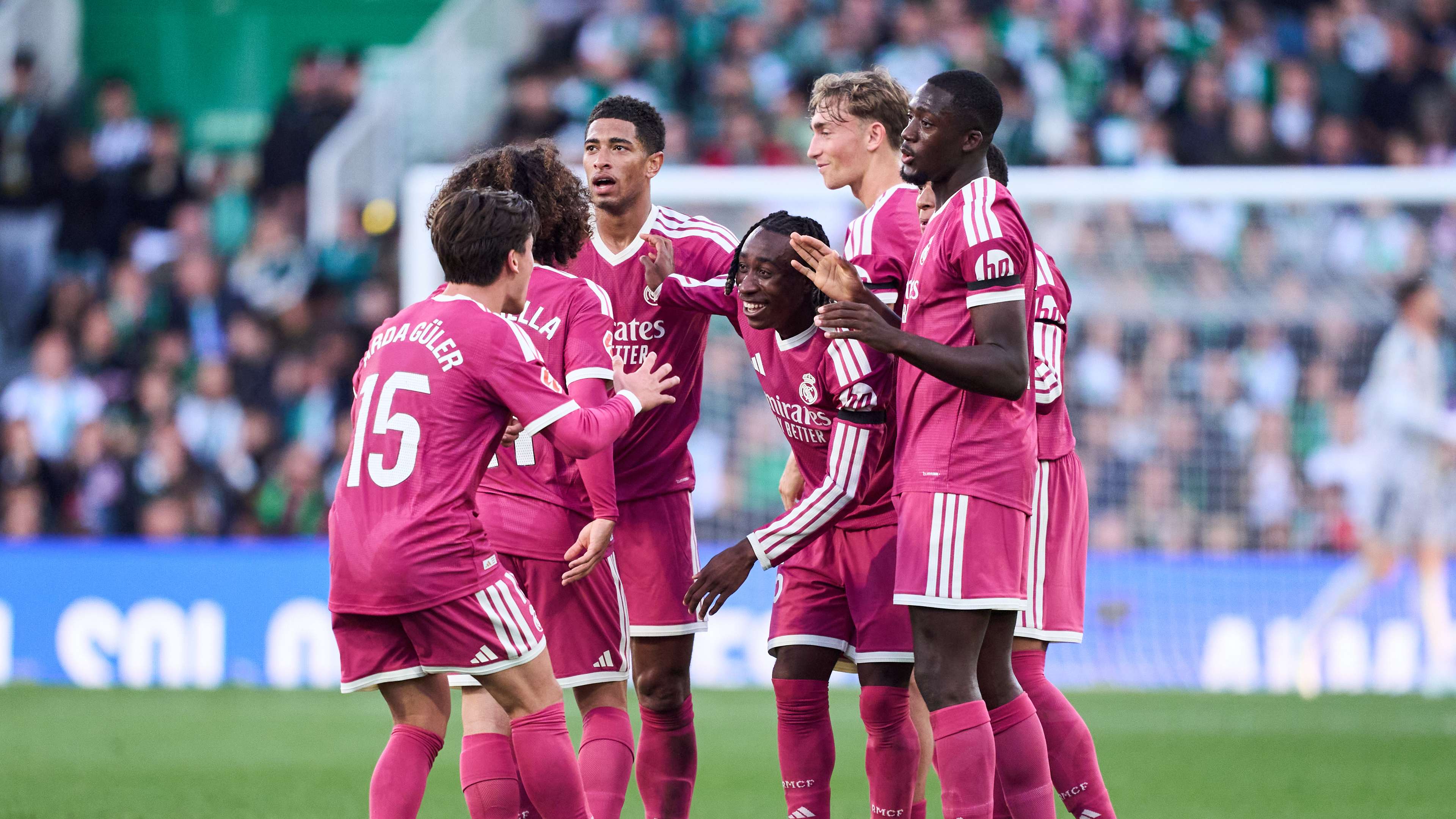
Real Madrid left with a 3-0 victory, while Racing Santander left the match believing the penalty decision had gone against them unfairly. The refereeing committee’s review has now confirmed that the call was wrong and that VAR should have stepped in. Although the result stands, the ruling is likely to fuel further discussion about consistency, accountability and the practical effectiveness of video review.
For referees, the case is a reminder to assess not just whether contact occurred but whether it had a meaningful impact. For VAR officials, it underlines the importance of intervening when a penalty appears unsupported by the footage. And for fans, it offers a clear explanation of why the committee believes the Mbappé decision was a serious error: the contact was too slight, and there was no convincing link between it and the forward’s fall.