
Al-Nassr Eyeing Homegrown Talent to Fill Midfield Gap
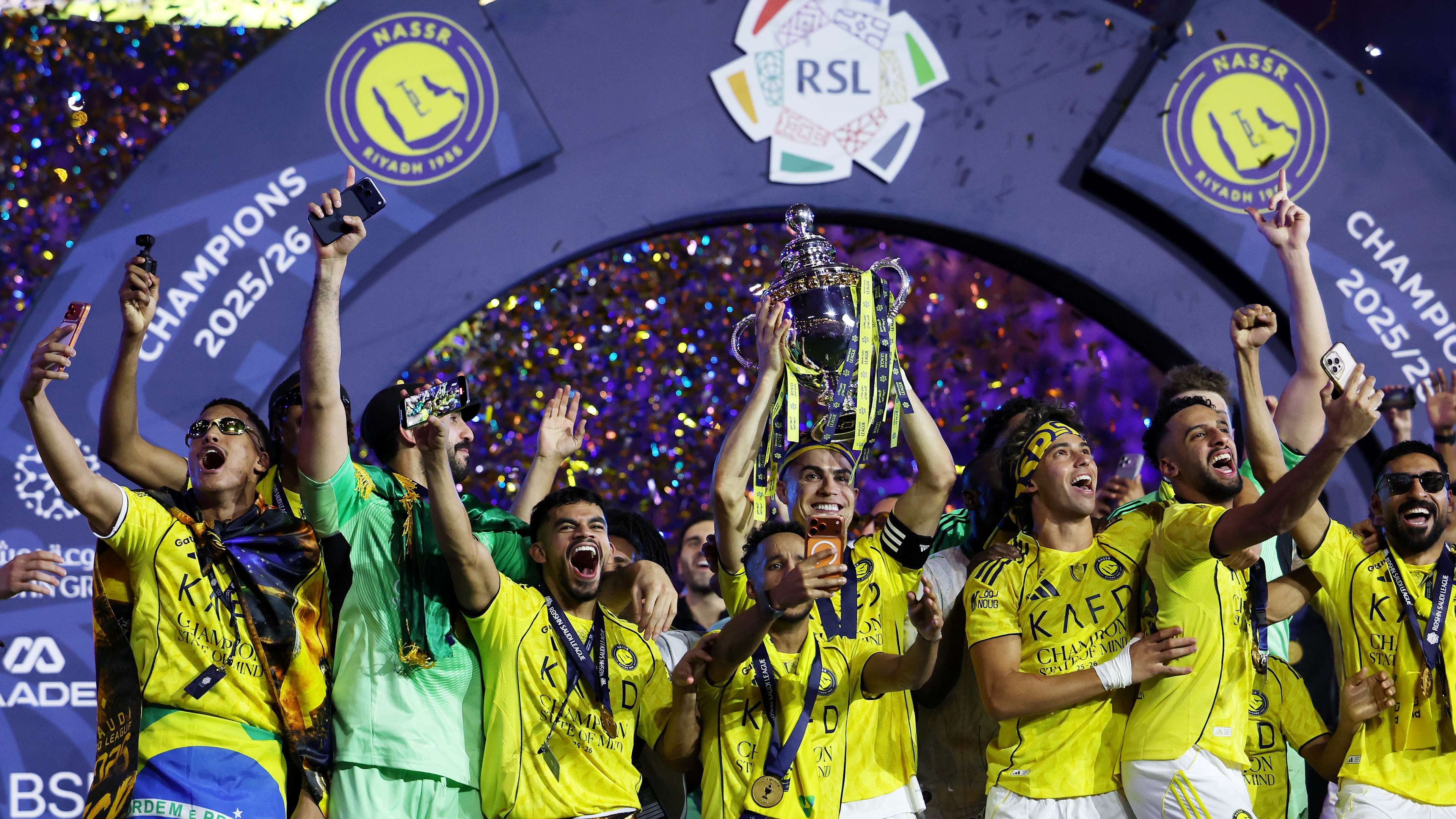
Al-Nassr FC is currently on the lookout for a new midfielder following the departure of Marcelo Brozovic. The Saudi club is facing financial constraints, making it difficult to pursue major deals in the transfer market. As a result, attention has turned towards a potential solution from within the club’s own ranks.
Searching for Solutions
Recent reports have linked Al-Nassr with several European midfielders, but financial limitations, debts, and fundraising challenges have hindered any external acquisitions. However, the club may have a promising option in young Iraqi midfielder Haidar Abdul-Karim.
Abdul-Karim is highly regarded by the club and is considered one of their most talented players. Despite his limited opportunities with the first team last season, the youngster possesses impressive technical skills that could potentially fill the void left by Brozovic.
A Promising Prospect
Having joined Al-Nassr recently, Abdul-Karim has yet to showcase his abilities at the senior level, primarily featuring for the youth team. However, the club sees him as a player with the potential to make a significant impact if given the chance.
By turning to Abdul-Karim, Al-Nassr could not only save a substantial amount of money that would have been spent on a new foreign signing but also provide a platform for one of their own talents to shine. If the young midfielder proves himself, it could free up resources to strengthen other areas of the squad.
A Strategic Decision
The decision to promote Abdul-Karim to the first team ultimately lies with the coaching staff. They must weigh the option of pursuing a high-profile foreign player against nurturing a homegrown talent. This move could potentially pay off as one of Al-Nassr’s most successful investments if Abdul-Karim seizes the opportunity.
As the club navigates through financial challenges, the focus on developing local talent like Abdul-Karim not only benefits the team in the short term but also lays a foundation for sustainable success in the future.
Al-Nassr’s decision to prioritize internal solutions over external transfers demonstrates a commitment to fostering young talent and building a strong foundation for the team’s future. Whether Abdul-Karim will be the answer to their midfield needs remains to be seen, but his potential and talent offer a glimmer of hope in challenging times for the club.
Embracing a Youthful Approach
Al-Nassr FC’s shift towards developing homegrown talent reflects a broader trend in football where clubs are increasingly focusing on cultivating their own players rather than relying solely on expensive foreign acquisitions. By nurturing young talents like Haidar Abdul-Karim, clubs not only save money but also create a sense of connection and loyalty between the players and the team.
Investing in youth can also have long-lasting benefits for clubs, as young players often bring a fresh perspective, hunger, and determination to succeed. Abdul-Karim’s promotion to the first team could inject much-needed energy and enthusiasm into Al-Nassr’s midfield, potentially revitalizing the squad and inspiring other young players within the club.
Building a Sustainable Model
In today’s football landscape, where financial resources are often limited, clubs are exploring alternative strategies to remain competitive. By focusing on developing local talent and creating a pipeline of young players, clubs like Al-Nassr are laying the groundwork for sustained success.
Abdul-Karim’s potential emergence as a key player for Al-Nassr could not only strengthen the team in the short term but also provide a blueprint for future recruitment and squad building. If the young midfielder fulfills his promise, he could become a symbol of the club’s commitment to organic growth and long-term planning.
Community Connection
Promoting players from within can also have a positive impact on the fanbase and local community. Seeing a young talent like Abdul-Karim rise through the ranks and represent the club at the highest level can create a sense of pride and connection among supporters. This grassroots approach to talent development can strengthen the bond between the team and its fans, fostering a sense of unity and identity.
Furthermore, by prioritizing homegrown talent, Al-Nassr is contributing to the development of football in Saudi Arabia. Investing in young players not only benefits the club but also the broader football ecosystem in the country, potentially leading to a more competitive domestic league and a stronger national team in the future.
Conclusion
As Al-Nassr FC navigates through financial challenges and seeks to fill the midfield gap left by Marcelo Brozovic, the decision to turn to young talent like Haidar Abdul-Karim represents a strategic and forward-thinking approach. By nurturing homegrown players, the club is not only addressing immediate needs but also setting the stage for sustainable success and growth in the long run.
Abdul-Karim’s journey from the youth team to the first team symbolizes the hope, potential, and opportunities that lie within the ranks of Al-Nassr. While the outcome of this strategic decision remains to be seen, the focus on developing local talent underscores the club’s commitment to building a strong foundation for the future of football in Saudi Arabia.