
Al Hilal’s 3-2 Win Over Al Ittihad Reshapes the Saudi Pro League Title Race
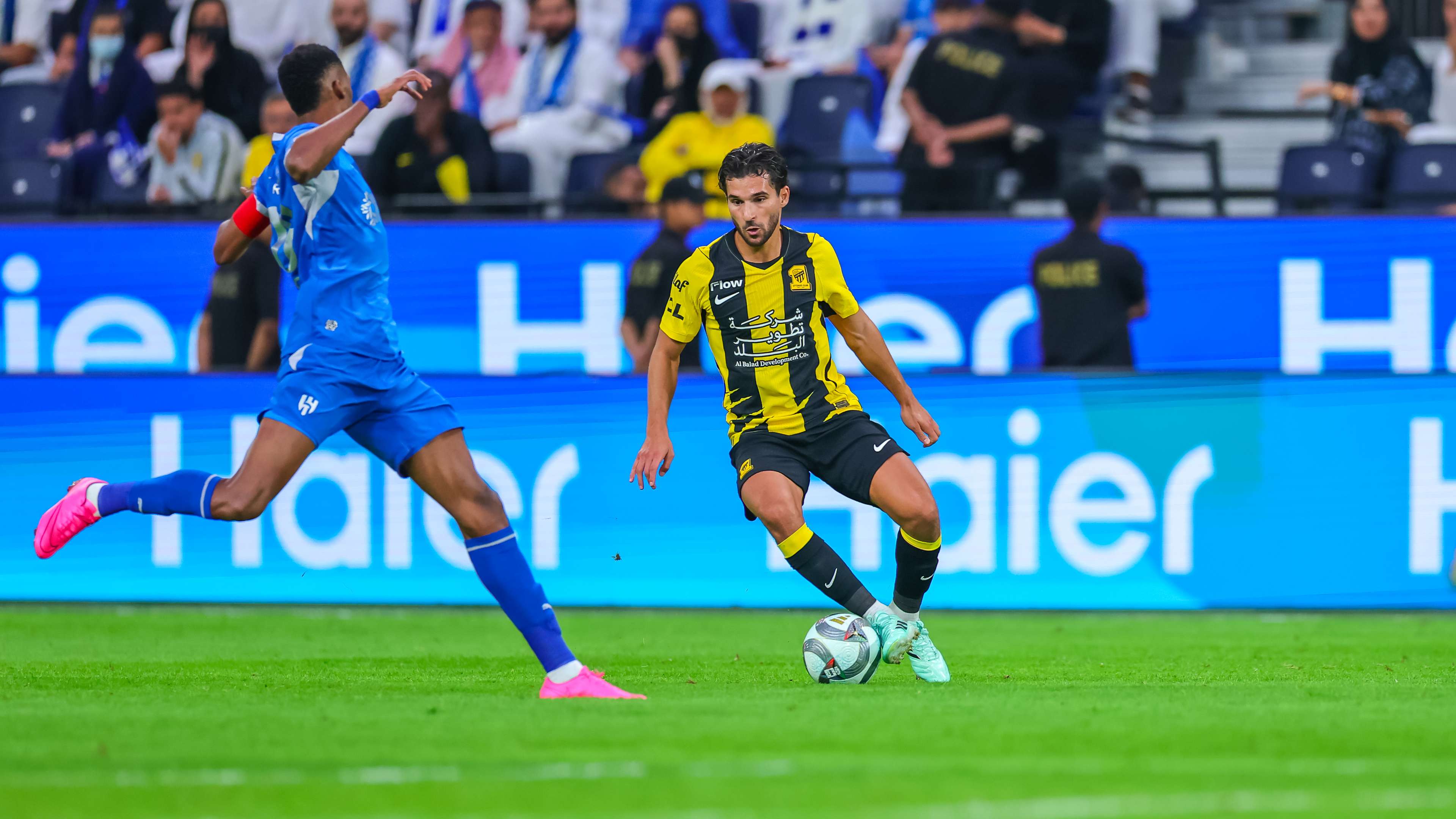
Al Hilal’s dramatic 3-2 victory over Al Ittihad was more than a high-profile Saudi football rivalry match. The result strengthened the league leaders’ position at the top of the Roshn Saudi League, delivered a significant confidence boost to Simone Inzaghi’s side and ended Al Ittihad’s unbeaten start to the competition. Yet the scoreline told only part of the story: both teams exposed weaknesses, and tensions continued to rise after the final whistle.
For Al Hilal, the win offered an important reward in a fixture with direct consequences for the title race. Beating a close rival can carry extra weight in a long season, particularly when the result also creates breathing room at the summit. Al Ittihad, meanwhile, left with no points but plenty to consider. Their comeback showed resilience and attacking potential, even as defensive lapses and the eventual post-match controversy overshadowed that fightback.
Why the Result Matters in the Title Race
When two leading clubs meet, the impact often extends beyond three points. A victory over a direct competitor can shift momentum, strengthen belief within a squad and increase pressure on teams chasing the leaders. Al Hilal gained all three benefits. Inzaghi’s players not only protected their place at the top but also demonstrated that they could handle a tense, high-stakes contest against one of their strongest domestic challengers.
The result also gives Al Hilal a valuable psychological edge. Rivalry matches are rarely straightforward, and the ability to prevail in a game that swings between control and uncertainty can reinforce a team’s confidence. That boost may matter in upcoming fixtures, when opponents are likely to approach the league leaders with greater caution and intensity.
For Al Ittihad, the defeat brings an end to their unbeaten run and presents an early test of their response. One loss does not define a season, but the manner of the defeat will invite scrutiny. The team showed that it could recover after falling behind, yet it also allowed Al Hilal to build a winning position. How quickly Al Ittihad can address that imbalance may shape its ability to remain in the title conversation.
Al Hilal’s Strength—and the Defensive Warning Signs
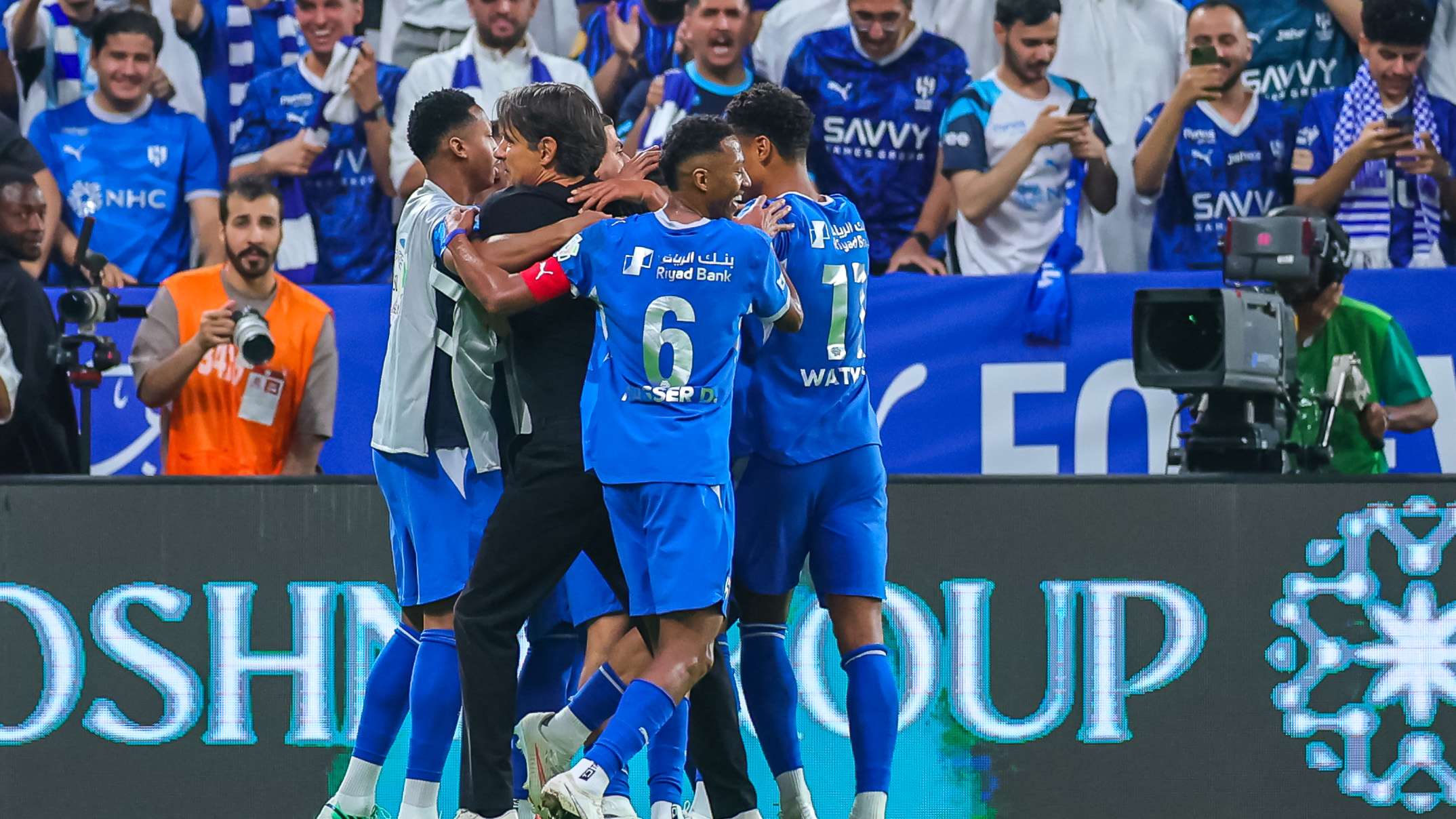
Al Hilal deserve credit for finding a way to win a fiercely contested match. Their three goals supplied the decisive edge, while their composure under pressure helped them survive Al Ittihad’s attempts to get back into the game. Inzaghi will be pleased with the result and the character his team displayed, especially against a rival capable of turning a match around.
But a 3-2 scoreline also highlights a concern. Al Hilal’s defensive performance was not as convincing as the final result might suggest. Conceding twice gave Al Ittihad a route back into the contest and kept the outcome in doubt until the closing stages. Against a team with strong attacking quality, that kind of defensive uncertainty can quickly become costly.
The challenge for Inzaghi is to balance attacking ambition with greater control without the ball. Al Hilal’s forward play helped them secure the win, but future opponents may look to exploit the spaces and moments of vulnerability that Al Ittihad exposed. The league leaders will need to treat the victory as both a statement and a warning: their attack can decide major games, but their defensive work must remain reliable when the pressure rises.
Al Ittihad’s Comeback Offers Encouragement, Not Consolation
Although Al Ittihad lost, their ability to fight back was one of the match’s most revealing features. Trailing against a team as experienced and confident as Al Hilal can make a game feel beyond reach. Instead, Al Ittihad found a way to score twice and put the leaders under pressure. That response suggests the squad has the resilience to remain competitive after setbacks.
However, a comeback cannot fully disguise the problems that helped create the deficit. Al Ittihad will need to examine how Al Hilal found openings and whether their defensive organisation was strong enough during key moments. The team’s attacking response showed promise, but title contenders must combine that spirit with consistency across the full match.
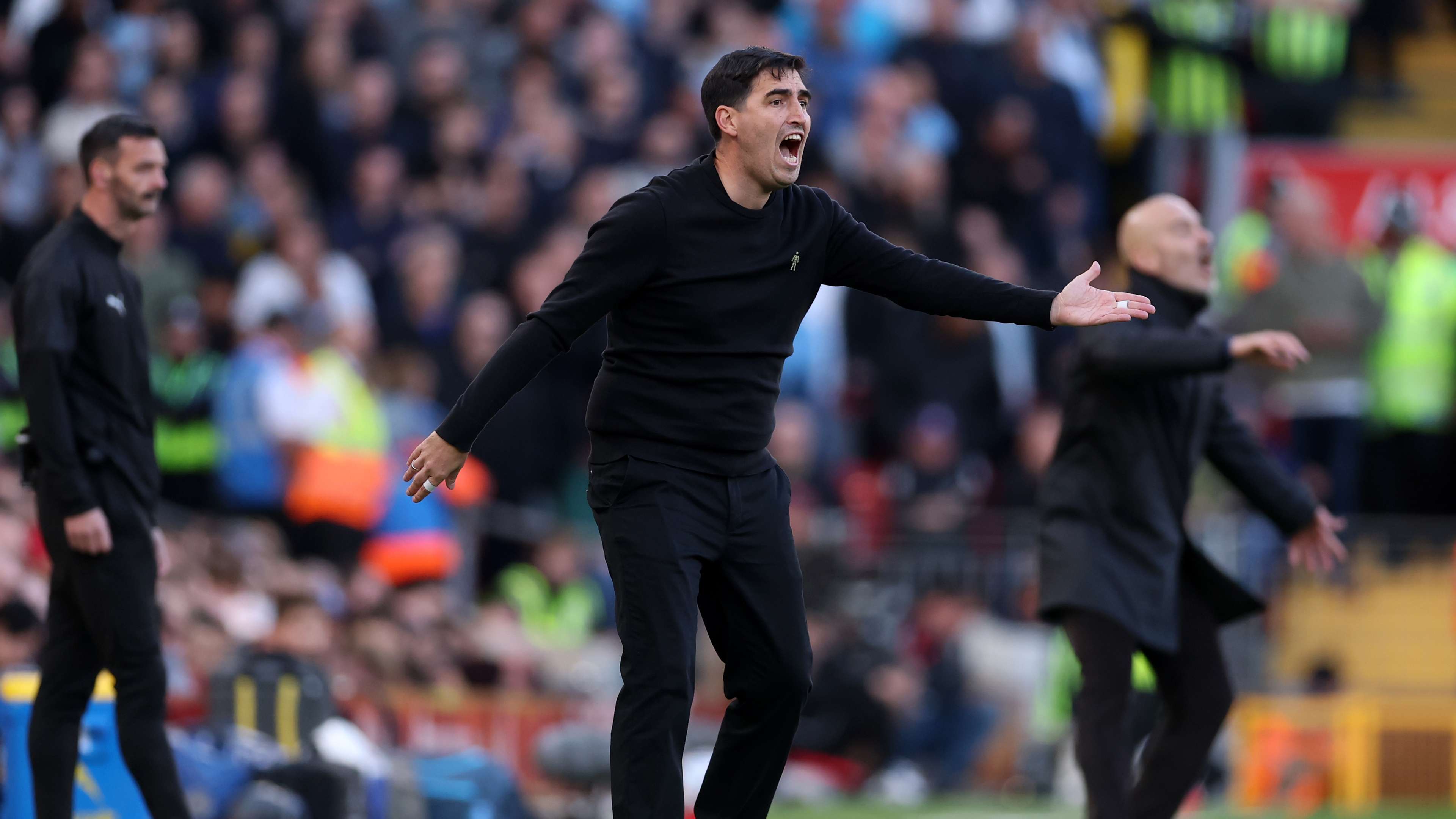
The defeat also places coach Jens Wissing under the spotlight. After an intense rivalry fixture, questions are likely to focus on tactical decisions, the team’s defensive structure and its response to Al Hilal’s attacking pressure. Those assessments will be especially important because this was Al Ittihad’s first league defeat of the season. Wissing’s next task is to ensure the result becomes a lesson rather than the start of a damaging slide.
Post-Match Tensions Add a New Layer to the Story
The final whistle did not immediately bring calm. Tempers flared after the match, adding a disciplinary dimension to an already heated evening. The scenes shifted attention away from the football and toward the conduct of players and staff, as well as the possibility of further scrutiny from league authorities.
Such moments can have consequences beyond reputational damage. Disciplinary decisions, if any follow, could affect team availability and add pressure to clubs already managing a demanding schedule. The incident also raises questions about how both sides handle the emotional intensity of a rivalry match, particularly when a close result leaves players frustrated.
For supporters, the controversy is likely to become part of the conversation surrounding the fixture. Still, the main sporting story remains clear: Al Hilal secured a crucial win, while Al Ittihad must respond to their first defeat. The post-match scenes may command attention in the short term, but the teams’ performances over the coming weeks will determine the longer-term significance of the result.
Football Prediction: What Comes Next?
Al Hilal enter their next fixtures with the stronger position and the confidence that comes from defeating a direct rival. Their attacking quality makes them a formidable opponent, but the defensive issues seen in this match could offer future challengers a potential route to success. A reasonable football prediction is that Al Hilal will remain among the leading title contenders, provided Inzaghi’s side tightens its work at the back.
Al Ittihad’s outlook depends on how effectively Wissing and his players respond. Their comeback indicates that they have enough character and attacking threat to trouble top teams, but they must reduce the errors that put them on the back foot. If they can improve their defensive discipline and maintain the energy shown in the second half, one defeat need not derail their campaign.
Ultimately, Al Hilal are the biggest beneficiaries of the 3-2 result: they gained points, momentum and a valuable psychological advantage in the title race. Yet the match was not a flawless showcase for the leaders, nor a complete failure for Al Ittihad. It was a reminder that Saudi football’s biggest contests can change quickly—and that the next chapter of this rivalry may be shaped as much by tactical adjustments and discipline as by goals.