
France Joins Growing Opposition Against FIFA President Gianni Infantino: A Major Shift in Football Politics
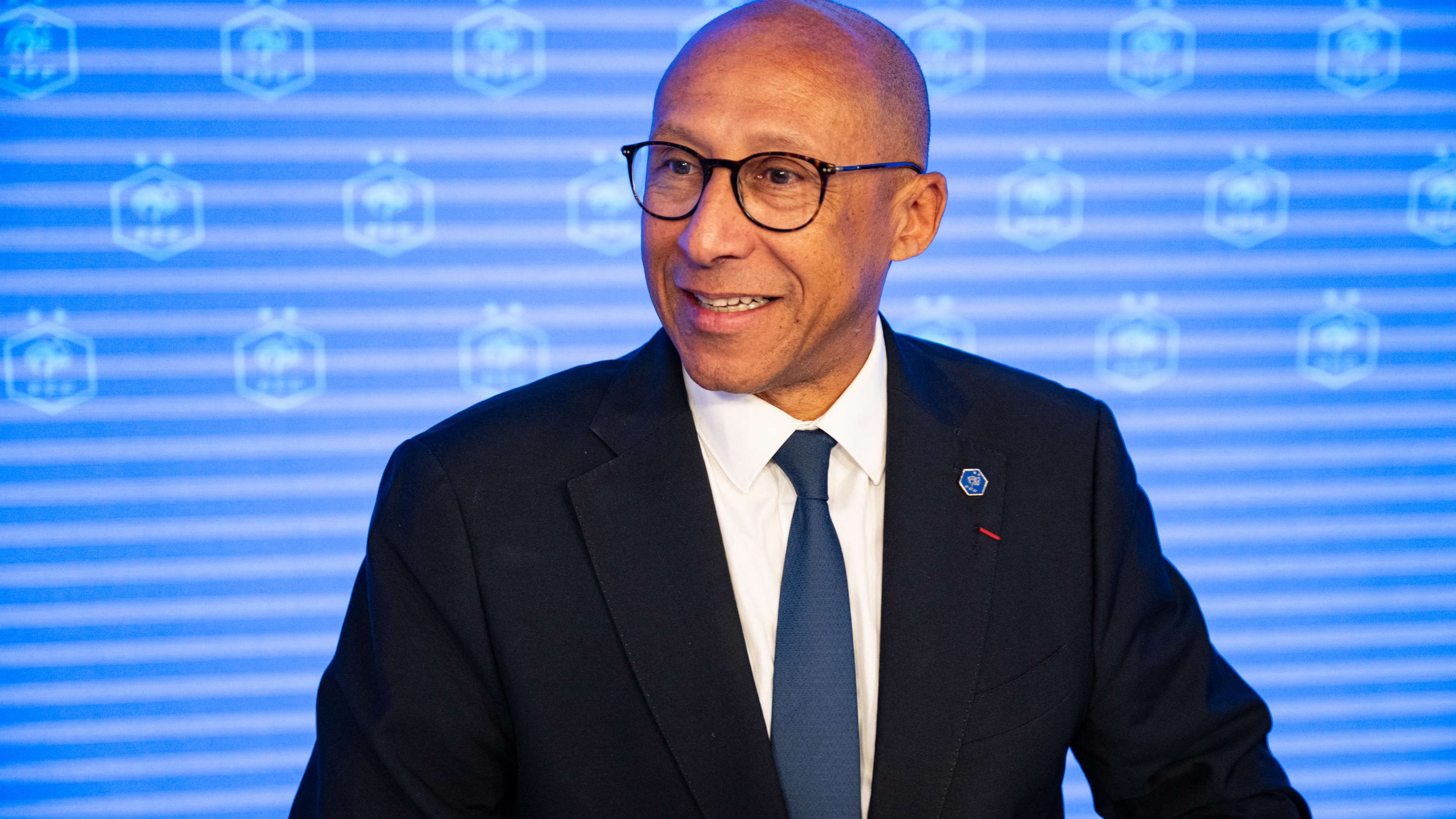
In a significant development within the global football community, France has officially positioned itself in opposition to the re-election bid of FIFA President Gianni Infantino. This move marks a pivotal moment in football politics, signaling potential shifts in the power dynamics within the sport’s governing body. Philippe Diallo, the President of the French Football Federation (FFF), publicly announced France’s stance after months of internal deliberation and strategic planning, making it clear that the country no longer supports Infantino’s continued leadership.
Background: The Road to France’s Opposition
The French Football Federation, one of the sport’s most influential organizations, had initially shown cautious optimism regarding Infantino’s candidacy for a second term. When Infantino announced his intention to seek re-election ahead of the upcoming FIFA Congress scheduled for March 2027 in Rabat, Morocco, many expected the usual political maneuvering. However, as the months progressed, cracks began to appear in the initial support that some national associations had expressed.
Leading up to the decisive vote, which is expected to attract considerable international attention, France’s stance became increasingly clear. The federation’s executive committee held a series of intense discussions, weighing the merits and drawbacks of continued support for Infantino amid ongoing concerns about transparency, governance practices, and the overall direction of FIFA under his leadership.
Official Statement: France Breaks Ranks
On Thursday, Philippe Diallo broke his silence, revealing that France’s executive committee had unanimously decided to oppose Gianni Infantino’s re-election. Speaking to the press, Diallo explained the rationale behind this historic decision, emphasizing the importance of integrity and transparency in global football governance.
He stated, as reported by the esteemed French sports publication L’Équipe: “Initially, the announcement of Gianni Infantino’s candidacy was met with a relatively positive response. At that time, I, along with over 200 national associations worldwide, expressed support for his re-election.”
However, he added, “By July, the circumstances had changed significantly. The conditions that justified our support no longer existed. After thorough discussions with my colleagues on the executive committee, it became evident that the trust placed in Gianni Infantino had been compromised. We believe the current style of managing football does not align with the principles we uphold.”
Historical and Sporting Legitimacy: Why France’s Support Matters
Diallo highlighted France’s unique position in the global football landscape, asserting that the country possesses both historical and sporting legitimacy to influence FIFA’s future. “France has a profound historical connection to the foundations of FIFA, having contributed significantly to the sport’s global development,” he explained. “Moreover, our national team has consistently been among the top three in the world over the past decade, demonstrating our sporting legitimacy.”
This stance underscores France’s influential role in shaping international football policies and its commitment to ensuring that governance reforms are prioritized ahead of the upcoming elections.
Calls for Greater Transparency and Governance Reforms
Beyond simply opposing Gianni Infantino’s candidacy, France’s federation is advocating for substantial reforms within FIFA. Diallo emphasized the importance of improving transparency and accountability, especially amidst ongoing allegations and controversies surrounding FIFA’s governance practices.
“We are initiating consultations with leading figures in French and international governance to contribute to UEFA’s ongoing efforts to reform FIFA,” Diallo said. “Our goal is to develop a comprehensive framework that ensures greater transparency, fair play, and integrity in football’s global administration. When the time comes, we will support a candidate who embodies these values.”
Implications for the Future of Football Politics
The decision by France to oppose Gianni Infantino’s re-election is more than a symbolic gesture; it signals a potential turning point in football politics. As the largest and most influential football associations begin to voice their opinions openly, the upcoming FIFA elections may see an unprecedented level of scrutiny and debate.
Historically, FIFA elections have often been characterized by political alliances and behind-the-scenes negotiations. However, France’s stance could inspire other nations and associations to reevaluate their positions, potentially leading to a more transparent and democratic electoral process.
What’s Next? The Road to the 2027 FIFA Elections
With approximately six months remaining before the FIFA Congress in Morocco, all eyes are on the evolving landscape of international football governance. France’s opposition adds a new layer of complexity to the upcoming elections, which are expected to feature multiple candidates vying for the presidency.
In response, Gianni Infantino and his supporters are likely to ramp up their campaign efforts, emphasizing their achievements and plans for the future of football. Meanwhile, reform-minded candidates and associations like France are poised to push for greater accountability and transparency, setting the stage for a potentially transformative election process.
Expert Perspectives: The Broader Impact on Global Football
Football experts and analysts suggest that France’s bold stance may catalyze a broader movement towards reform within FIFA. Dr. Marie Dubois, a renowned sports governance specialist, commented: “This is a crucial moment. When a major football nation like France openly opposes a sitting FIFA president, it sends a powerful message about the need for change. It could encourage other associations to take a stand, making the upcoming elections highly competitive and more aligned with the principles of good governance.”
Additionally, supporters of reform hope this shift will lead to tangible improvements in how FIFA operates, including increased transparency, better stakeholder engagement, and more equitable decision-making processes.
Conclusion: A Turning Point in Football’s Governance Landscape
The decision of France to oppose Gianni Infantino’s re-election candidacy represents a watershed moment in the world of football politics. As the sport continues to evolve amidst challenges related to transparency, ethics, and governance, the stance taken by France underscores a growing demand for integrity at the highest levels of the game.
As fans, stakeholders, and nations await the upcoming FIFA elections, one thing is clear: the landscape of global football governance is entering a new era—one that could shape the future of the sport for decades to come. For those interested in football prediction and the future of international football politics, this development signals that significant changes may be on the horizon, making the upcoming elections some of the most consequential in recent history.