
UEFA Opens New Chapter in the Negreira Case: Barcelona Under Scrutiny in European Football Prediction Controversy
The ongoing Negreira scandal, one of the most controversial episodes in recent Spanish football history, has now taken a significant turn at the European level. UEFA, the governing body of European football, has officially confirmed that it has received a comprehensive dossier of documents from Real Madrid concerning the investigation into Barcelona’s alleged misconduct. This development could have profound implications for the future of football predictions and the integrity of competitions across the continent.
The Background of the Negreira Case
To fully appreciate the significance of UEFA’s recent actions, it’s essential to understand the roots of the Negreira controversy. At the center of the scandal is José María Enríquez Negreira, the former deputy head of the technical committee of referees at the Spanish Football Federation. Over nearly two decades, allegations suggest that Barcelona paid millions of euros to companies linked to Negreira in exchange for technical reports and consulting services related to refereeing.
Between 2001 and 2018, Barcelona reportedly disbursed over 7.5 million euros in payments to Negreira and associated entities. The club maintains these payments were for legitimate consulting services, aimed at understanding refereeing trends and improving their match strategies. However, critics argue that such payments raise serious questions about potential bias and match integrity, especially considering Barcelona’s prominence and success during this period.
UEFA’s Role and Recent Developments
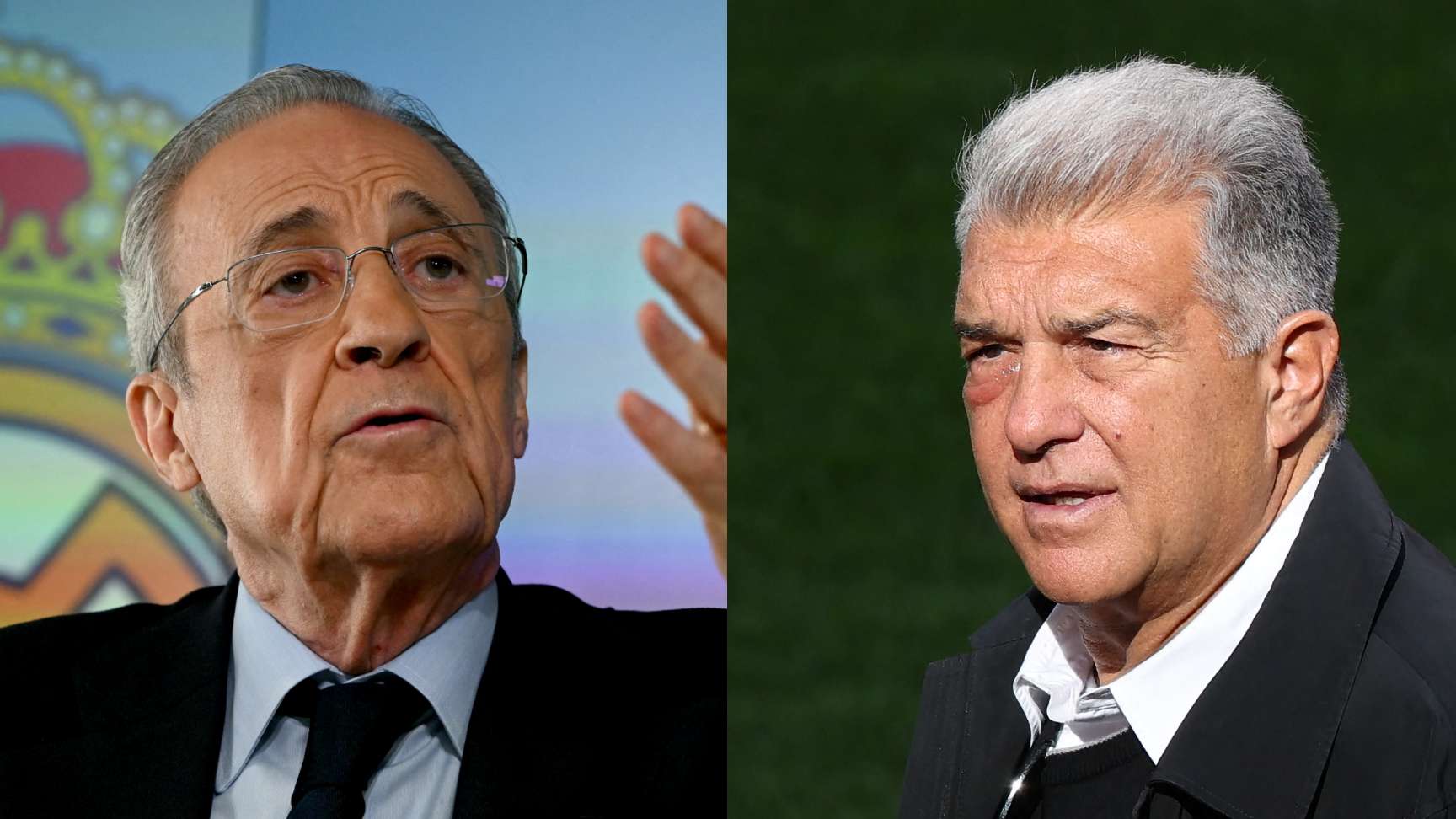
While the initial investigations were conducted by Spanish authorities and La Liga officials, the scope of the case expanded when Real Madrid, Barcelona’s traditional rival, escalated the matter to the international stage. According to reports from the Spanish sports newspaper Marca, Real Madrid has been pushing for a broader investigation by UEFA, citing concerns over the fairness of football predictions and the overall integrity of European competitions.
In a recent statement, UEFA confirmed that they have received a significant volume of documents from Real Madrid, which are now under review by their ethics and disciplinary inspectors. This move signifies a shift in the case’s jurisdiction, emphasizing the importance of safeguarding the integrity of football at a continental level. UEFA’s official communication highlighted that these documents will be examined thoroughly, although no formal disciplinary proceedings against Barcelona have been announced at this stage.
The Motivation Behind Real Madrid’s Involvement
Sources close to the club reveal that Real Madrid’s renewed interest in the Negreira case stems from frustration over the perceived stagnation in local investigations. The club has long maintained that the payments made by Barcelona could have influenced refereeing decisions, thereby affecting the outcome of key matches and, consequently, football predictions for fans, bettors, and analysts worldwide.
Furthermore, Real Madrid has sought to restore and strengthen its relations with UEFA, aiming for a unified approach in addressing potential corruption issues within European football. The club’s efforts include engaging with the European Club Association and advocating for the case to be handled at the European level, rather than remaining confined to Spanish authorities.
Implications for Football Predictions and Fair Play
The Negreira case has sparked widespread debate among football fans, experts, and bookmakers alike about the reliability of football predictions. If allegations of match-fixing or biased officiating are substantiated, it could undermine the very foundation of betting markets and predictive models that rely on the integrity of match outcomes.
Football predictions, whether for casual fans or professional analysts, depend heavily on the assumption that matches are conducted fairly and that refereeing decisions are unbiased. The possibility that a club may have influenced referees through illicit payments introduces a new layer of complexity for those betting on or analyzing football matches.
As UEFA’s investigation progresses, stakeholders in football prediction models are closely monitoring developments. The case raises questions about transparency, the role of referees, and the importance of strict regulatory oversight to maintain the sport’s credibility.
The Broader Context: Football’s Fight Against Corruption
The Negreira scandal is part of a wider effort within European football to combat corruption, match-fixing, and unethical practices. UEFA has implemented rigorous measures over the years, including the establishment of ethics committees and compliance units, to ensure that competitions are fair and transparent.
This case underscores the importance of international cooperation in tackling issues that transcend national borders. The involvement of UEFA signifies a recognition that safeguarding the integrity of football requires a unified, continent-wide approach. The outcome of the investigation could set a precedent for future cases involving financial misconduct and influence peddling in football.
Next Steps and Potential Outcomes
While UEFA’s statement indicates that the review of the documents is ongoing, the case remains in a critical phase. The European body has not yet announced any formal disciplinary actions against Barcelona or any other clubs involved. However, the review process could lead to sanctions, reputational damage, or even legal repercussions if evidence of misconduct is found.
For fans and analysts interested in football prediction, the case serves as a reminder of the importance of integrity in the sport. The outcome could influence betting markets, analytical models, and the general perception of fairness in European football competitions.
Conclusion: A Pivotal Moment for European Football
The recent developments in the Negreira case highlight a pivotal moment in European football’s ongoing battle to ensure transparency and fairness. As UEFA delves into the extensive documentation provided by Real Madrid, the football community waits with bated breath for clarity on whether this scandal will lead to significant reforms or disciplinary measures.
Ultimately, the case underscores that the integrity of football—crucial for accurate predictions, fair betting, and the sport’s reputation—must be protected at all costs. The coming weeks will be critical in determining whether these allegations will reshape how football is governed, evaluated, and enjoyed by fans worldwide.