
Morocco and Senegal Set for a Fierce African Player of the Year Race
The race for the 2026 African Player of the Year award is shaping up as a renewed contest between Morocco and Senegal. The Confederation of African Football (CAF) announced its shortlist on Wednesday, naming three players from each country and setting the stage for a closely watched debate over individual brilliance, team success and the influence of major tournaments.
Morocco’s nominees are Paris Saint-Germain defender Achraf Hakimi, Real Madrid forward Brahim Diaz and Bayern Munich midfielder Ismael Saibari. Senegal’s challenge comes from Crystal Palace attacker Ismaila Sarr, Villarreal midfielder Pape Gueye and Al-Nassr forward Sadio Mane.
The remaining places on the shortlist go to Manchester United’s Amad Diallo of Ivory Coast, Newcastle United forward Yoane Wissa of DR Congo, Manchester City’s Antoine Semenyo of Ghana and Sundowns midfielder Teboho Mokoena of South Africa.
With the awards ceremony scheduled for 7 December in Lagos, the shortlist has already prompted plenty of discussion. Morocco’s recent achievements make its players look especially well placed, but the presence of three nominees from the same nation could also complicate their football prediction prospects.
Why Morocco Has the Strongest Case
Morocco enters the awards conversation with the momentum of a landmark year. The Atlas Lions won the latest Africa Cup of Nations, with Diaz among the players to make a major impact, and then reached the quarter-finals of the 2026 FIFA World Cup. Their run ended against France, but the team’s performances reinforced Morocco’s status as one of the continent’s leading football powers.
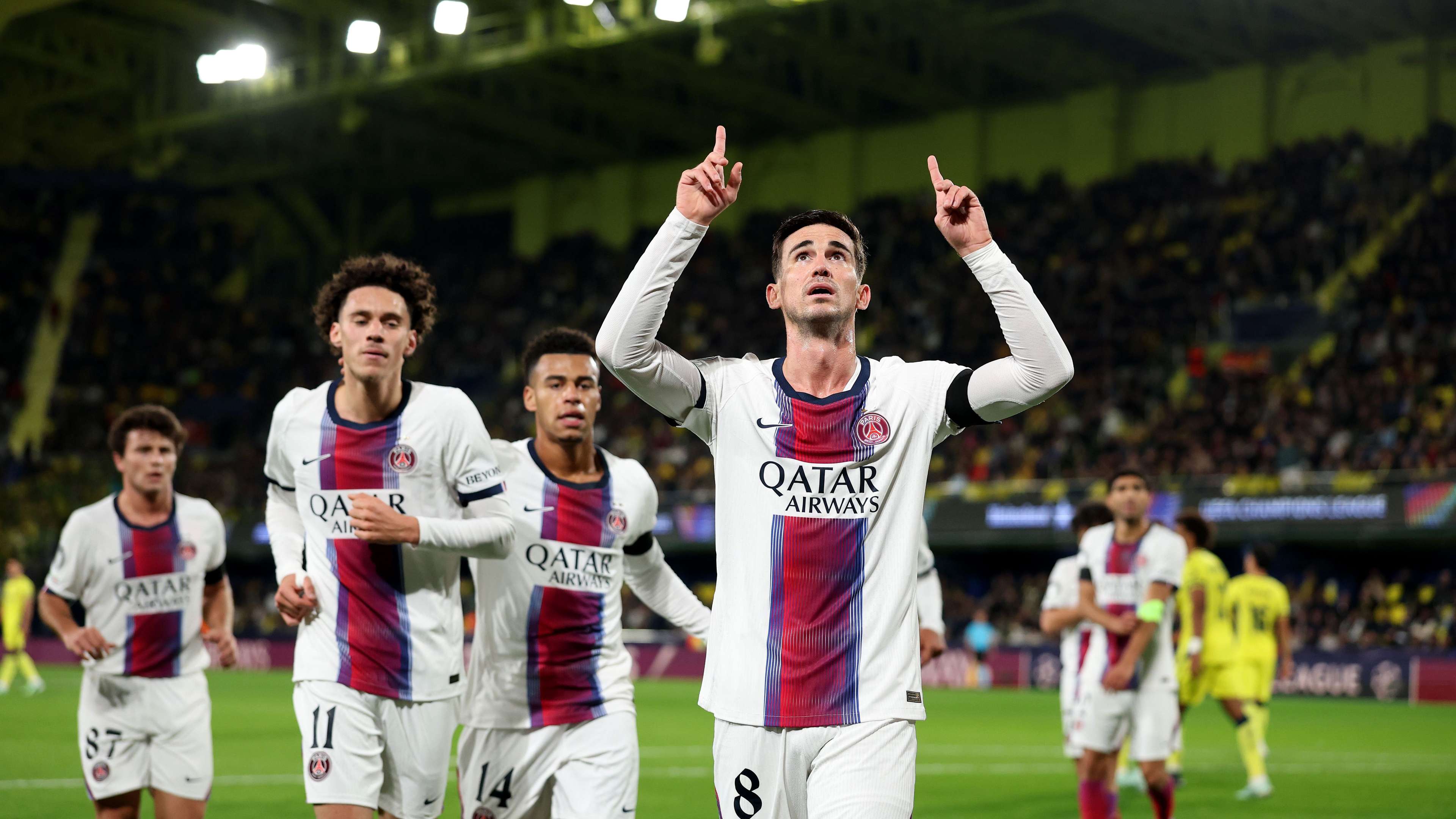
Hakimi’s club season provides perhaps the most compelling individual résumé. The right-back helped PSG win the Champions League for a second consecutive season, while also adding the French league title, the UEFA Super Cup and the Intercontinental Cup. His influence was not limited to domestic competition: his attacking runs, recovery speed and ability to change the rhythm of a match have made him one of the most complete defenders in world football.
Hakimi’s place on the Ballon d’Or shortlist further strengthens his profile. While that recognition does not decide the CAF award, it signals the scale of his performances across the season and gives voters a clear measure of his standing beyond African competition.
Saibari also enjoyed a standout campaign. He impressed with PSV Eindhoven before moving to Bayern Munich and carried that form into international football. At the World Cup, he scored three goals for Morocco, adding an important attacking dimension to a team already packed with experienced performers. A move to one of Europe’s biggest clubs could increase his visibility, although voters will weigh his full season rather than the reputation of his new side alone.
Diaz’s case is more closely tied to his work for Morocco. Real Madrid ended the campaign without a major trophy, limiting the club honours attached to his nomination. Yet his contribution to the national team’s success, including Morocco’s AFCON triumph, gives him a strong argument. The contrast between his international impact and the club achievements of Hakimi and Saibari could make the Moroccan vote difficult to predict.
Senegal’s Nominees Offer a Serious Challenge
Senegal’s strongest individual story may belong to Sarr. He played a central role in Crystal Palace’s successful 2025–26 campaign, helping the club win the UEFA Conference League—the first European trophy in its history. Sarr was named the competition’s best player, recognition that reflects both his consistency and his influence in decisive matches. His strong domestic season adds further weight to his nomination.
Mane remains one of the shortlist’s most recognisable names. He was among Senegal’s brightest performers at AFCON and helped Al-Nassr claim the Saudi league title. His World Cup campaign was less productive, however: he recorded one assist before Senegal’s last-32 elimination by Belgium. That mixed international record could matter in a race where voters assess performances across both club and national-team football.
Gueye’s contribution at Villarreal was quieter but valuable. He helped the Spanish side finish third in La Liga, scoring five goals and providing two assists in 30 league appearances. Those numbers underline his usefulness in a competitive league, though his profile may be less prominent than that of Mane or Sarr.
Senegal’s three nominees could face a challenge similar to Morocco’s: each may attract support from voters who favour a different type of performance. Sarr has European silverware and individual recognition, Mane has a decorated career and league success, while Gueye offers a strong contribution to a high-performing club side.
Could Votes Be Split Between Teammates?
One of the main talking points is whether Morocco’s three nominations could divide support. The concern has a recent parallel in the Ballon d’Or discussion, where several leading players from the same club or national team were seen as competing for overlapping votes.
France Football editor-in-chief Vincent Garcia previously suggested that votes for Barcelona and Spain stars Lamine Yamal and Rodri may have been split between them, affecting their final positions. Garcia also argued that PSG could have presented a clearer case for Ousmane Dembele rather than promoting several players at once.
That comparison is not a perfect guide to the CAF vote, but it highlights a real feature of awards campaigns: voters may agree that a team has been exceptional while disagreeing about which player deserves the greatest individual credit. Hakimi’s club honours, Diaz’s international influence and Saibari’s World Cup goals each offer a different reason to vote Moroccan.
Morocco may still benefit from the strength of its overall case. Hakimi appears to have the clearest combination of major trophies and sustained high-level performances, while Diaz and Saibari have compelling supporting arguments. Senegal’s votes could also be divided among three candidates, potentially limiting the ability of any one player to close the gap.
How the CAF Voting Process Works
CAF’s winner is decided through a broad voting process involving national-team coaches and captains from all 54 member associations, members of CAF’s Technical Study Group and media representatives from each association. Each voter ranks five players. The first-place choice receives five points, followed by four, three, two and one point for the remaining selections.
The system rewards a candidate who appears consistently near the top of many ballots, not only one who collects a large number of first-place votes. That makes the final result difficult to call: a player with broad support could outperform a rival who inspires stronger but more concentrated backing.
The 2026 CAF Awards ceremony will take place in Lagos, Nigeria, on Monday, 7 December. Coaches, association representatives and some of the continent’s leading football figures are expected to attend. Until then, Hakimi looks like a leading contender, but Diaz, Saibari and Senegal’s trio ensure the race remains open—and the final football prediction far from certain.