
Germany Legend Schweinsteiger Criticizes Lack of Leadership in National Team
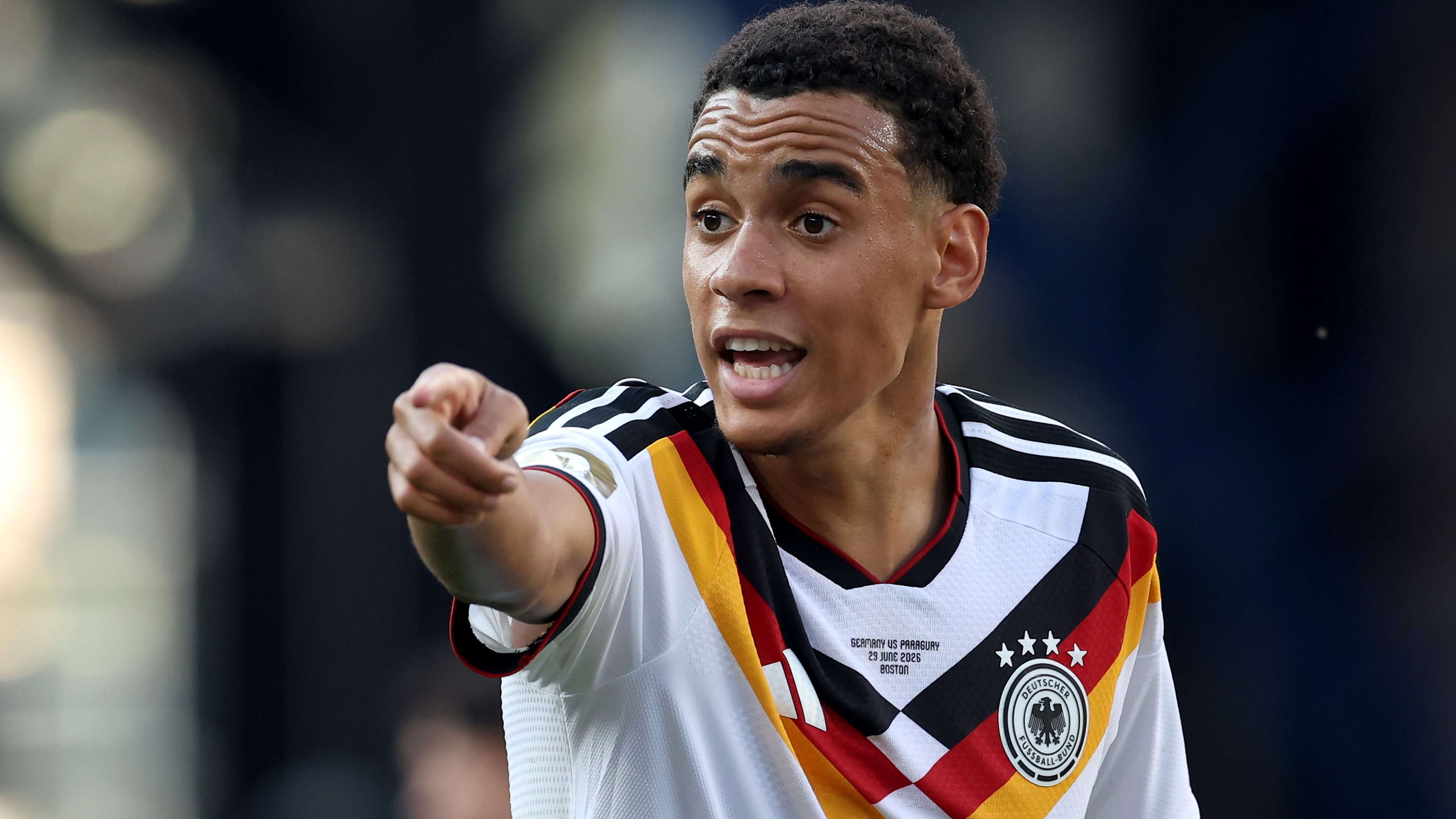
Former Germany icon Bastian Schweinsteiger recently expressed his disappointment with the lack of leadership in the national team during the World Cup, singling out Jamal Musiala for criticism. In a joint interview with Oliver Kahn in Bild, Schweinsteiger highlighted that only Joshua Kimmich and Felix Nmecha showed leadership qualities, leaving the team struggling. “After that it already becomes difficult,” Schweinsteiger remarked.
Criticism of Jamal Musiala
Schweinsteiger didn’t hold back in his criticism of Musiala, pointing out that his standout moment in the tournament was a sliding tackle in the round of 32 against Paraguay. “It’s something I had been missing for a long time,” Schweinsteiger noted. He also mentioned that Musiala was fouled 12 times in a game and shook hands with his opponents every time, questioning his toughness on the field.
Turning to Kahn, Schweinsteiger posed a hypothetical question about sportsmanship, asking whether Kahn would have shaken hands with an opponent who fouled him multiple times. Kahn’s response indicated the obvious nature of the query, highlighting the need for a stronger mentality in the team.
Leadership Qualities
Reflecting on his time leading the DFB team to the World Cup title in 2014 alongside Philipp Lahm, Schweinsteiger emphasized the importance of having strong leaders on the field. He contrasted this with the recent disappointments of Germany’s early exits in major tournaments, indicating a lack of leadership as a contributing factor.
Despite the criticism, Musiala has been through a challenging period, including a fibula fracture last summer that required surgery. He only returned to action at the start of the year and has struggled to consistently showcase his abilities since then. However, Bayern Munich announced that he is on track to join team training after their Asia trip in August, aiming to be ready for the Super Cup against Borussia Dortmund.
Future Plans for Musiala
Recent rumors about interest from Galatasaray Istanbul were denied by the Turkish club, reaffirming their commitment to the young talent. Musiala’s focus now is on regaining his form and making an impact for both Bayern Munich and the national team in the upcoming season.
As the football world awaits Musiala’s return to full fitness and form, the spotlight remains on the young talent as he looks to prove his worth and silence the critics. With guidance and support from experienced players like Schweinsteiger, Musiala has the opportunity to grow both on and off the pitch, fulfilling his potential as a future star in German football.
Impact of Leadership in Football
Leadership is a crucial aspect of success in football, with strong leaders often able to inspire their teams to victory. The role of a captain or a vocal leader on the field goes beyond just technical skills, as they are responsible for motivating their teammates, making key decisions under pressure, and setting the tone for the entire squad. In the absence of effective leadership, teams can struggle to perform at their best and may lack the resilience needed to overcome challenges during matches.
Players like Schweinsteiger, who have experienced the highs and lows of international competition, understand the value of having leaders who can step up when it matters most. Their insights and criticisms can serve as a wake-up call for younger players like Musiala, urging them to develop their leadership qualities and mental toughness to excel at the highest levels of the game.
Mental Toughness and Resilience
One of the key traits that Schweinsteiger highlighted in his criticism of Musiala was the need for greater mental toughness on the field. In football, players often face physical challenges and psychological pressure that can test their resolve and composure. Being able to handle rough tackles, maintain focus in high-pressure situations, and bounce back from setbacks are all essential aspects of mental toughness that can make a difference in a player’s performance.
For young talents like Musiala, developing mental resilience is a continuous process that requires mentorship, guidance, and personal growth. Overcoming injuries, setbacks, and criticism can help players mature both as athletes and individuals, preparing them for the demands of professional football and the expectations that come with representing their national team.
Support and Development for Young Players
While criticism from former players like Schweinsteiger can be tough to hear, it also comes from a place of experience and a desire to see young talents reach their full potential. Providing support, mentorship, and constructive feedback to emerging players is essential for their growth and development in the competitive world of football.
Clubs like Bayern Munich play a crucial role in nurturing young talents like Musiala, offering them the resources, coaching, and opportunities needed to succeed at the highest levels. By investing in the development of their youth players and providing a pathway to the first team, clubs can ensure a steady pipeline of talent that can contribute to both domestic success and international competitions.
Looking Ahead
As Musiala continues his journey towards regaining full fitness and form, the challenges and expectations placed upon him will only grow. With the support of his club, national team, and experienced players like Schweinsteiger, he has the opportunity to learn from his experiences, improve his leadership skills, and cement his place as a future star in German football.
Ultimately, the lessons learned from criticism and setbacks can shape a player’s character and determination, helping them navigate the ups and downs of a football career with resilience and grace. As Musiala navigates the path ahead, the football world will be watching to see how he rises to the challenge and fulfills his potential on and off the pitch.