
Spanish La Liga President Criticizes FIFA’s World Cup Proposal
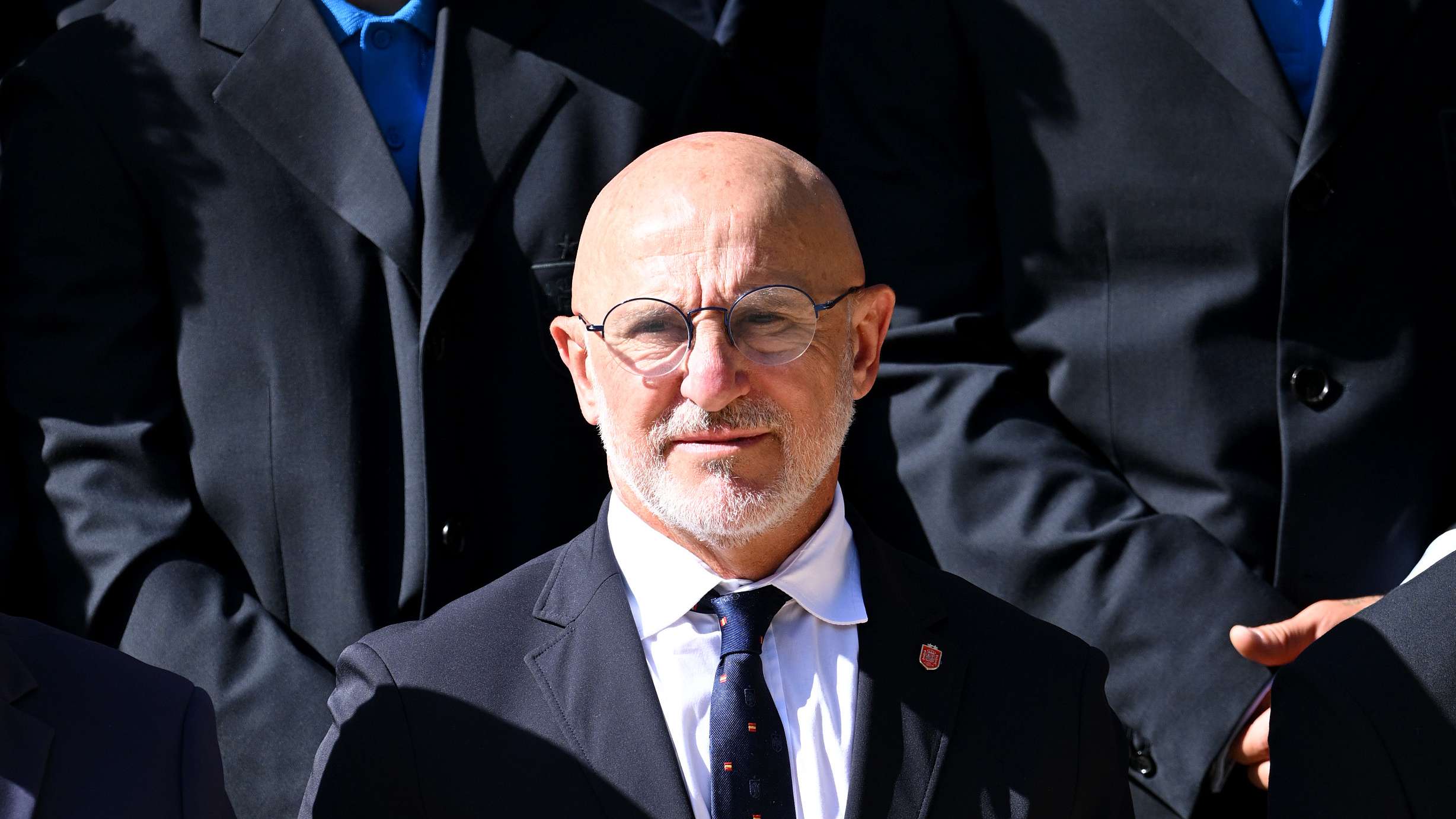
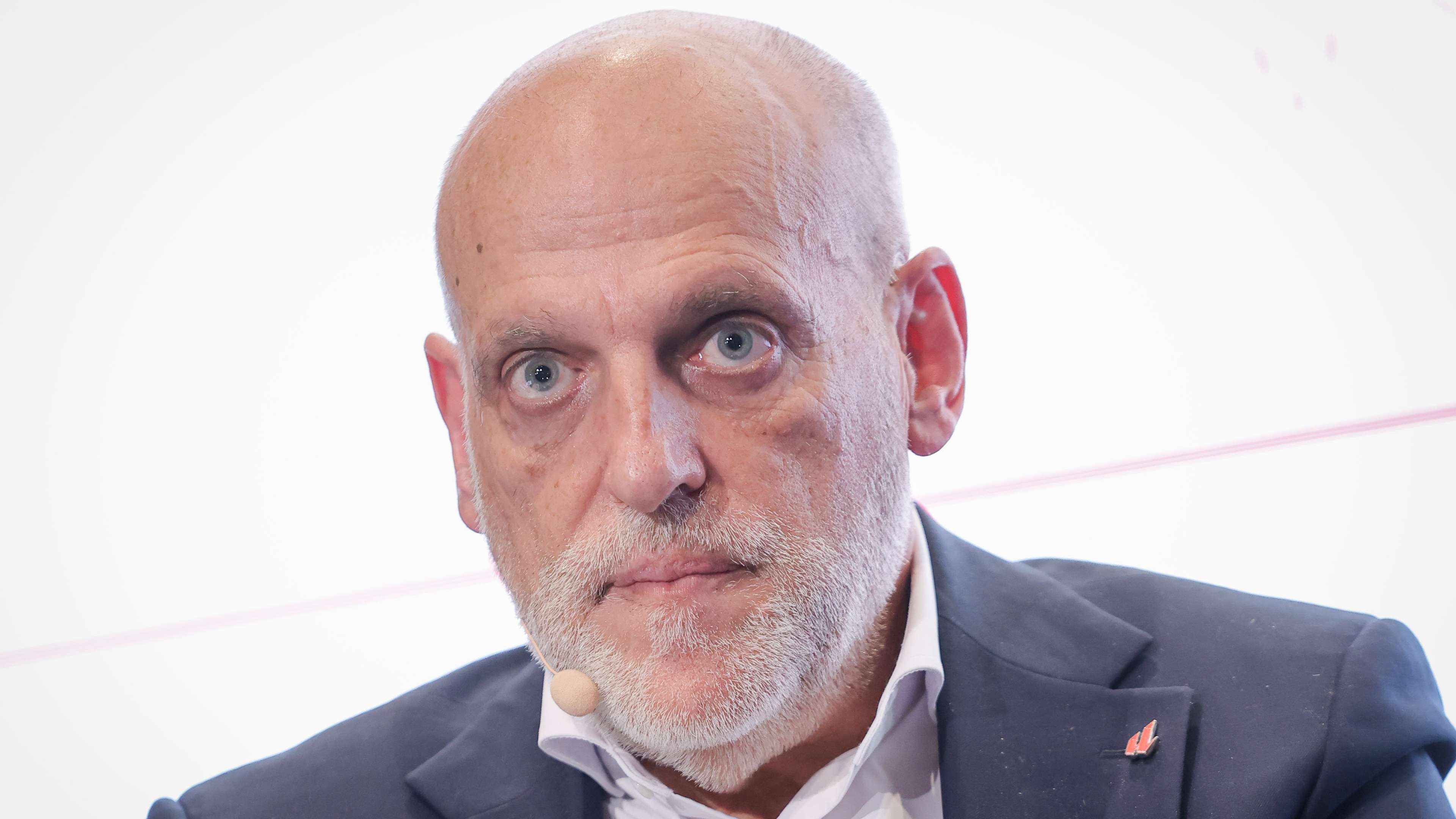
The president of Spain’s La Liga, Javier Tebas, has voiced his opposition to FIFA’s proposal to expand the World Cup to 64 teams, expressing concerns about the potential impact on the football industry.
Controversy Surrounding FIFA’s Decision
Tebas’s comments come in the wake of a major controversy involving FIFA’s handling of disciplinary issues during the last-16 match between the United States and Belgium. FIFA’s disciplinary committee lifted a 12-month ban on United States forward Folarin Balogun, allowing him to play in the match, despite his previous red card in the round-of-32 tie against Bosnia and Herzegovina.
The decision to revoke Balogun’s suspension came after US President Donald Trump intervened with a phone call to FIFA President Gianni Infantino. Despite the controversy, the United States ultimately lost 4-1 to Belgium, ending their World Cup run.
Tebas’s Critique of FIFA’s Actions
In an interview with Italian newspaper La Gazzetta dello Sport, Tebas criticized FIFA’s handling of the situation, stating that suspending Balogun’s punishment was a dangerous move. He suggested that had the United States defeated Belgium, it could have potentially jeopardized Infantino’s position as FIFA president.
Tebas also raised concerns about Infantino’s dealings with Trump, which led to an official complaint being filed with the International Olympic Committee accusing him of violating the principle of political neutrality. Despite these allegations, Infantino will not face any sanctions from the IOC.
Opposition to Expanding the World Cup
In addition to criticizing FIFA’s handling of disciplinary matters, Tebas also spoke out against FIFA’s proposal to expand the World Cup to 64 teams for the 2030 edition. He argued that increasing the number of teams would have a negative impact on domestic football leagues and the football industry as a whole.
Tebas emphasized the importance of domestic competitions in maintaining the continuity of the game and providing thousands of jobs within the industry. He cautioned against prioritizing a short-term tournament over the long-term sustainability of football at all levels.
Concerns About FIFA’s Decision-Making
Tebas expressed frustration with what he perceives as irresponsible decision-making by FIFA, stating that expanding the World Cup to 64 teams would lead to a bloated tournament with unnecessary matches. He believes that FIFA should focus on protecting domestic football and reducing the number of international fixtures to preserve the integrity of the sport.
The debate over the proposed expansion of the World Cup continues, with Tebas and other critics urging FIFA to reconsider its decision in light of the potential consequences for the football industry.
Keywords: football, prediction, FIFA, World Cup, Javier Tebas
Potential Impact on Player Welfare
Expanding the World Cup to 64 teams would not only affect the football industry but could also have repercussions on player welfare. With an increased number of matches in the tournament, players may face heightened risks of injuries and fatigue. This could impact their performance not only during the World Cup but also when they return to their respective clubs for domestic league matches.
Moreover, the extended format of the World Cup could lead to scheduling conflicts with domestic leagues, resulting in a crammed calendar for players. This could potentially lead to burnout and hinder the quality of football being played at both the international and club levels.
Financial Implications for Clubs
Another aspect that Javier Tebas has raised concerns about is the financial impact on clubs if the World Cup is expanded. With an increased number of international fixtures, clubs may be forced to release more players for national team duty, disrupting their squad dynamics and potentially affecting their performance in domestic competitions.
Furthermore, the extended duration of the World Cup could result in a longer absence of key players from their clubs, leading to potential loss of revenue from ticket sales, merchandise, and sponsorships. This could have a ripple effect on the overall financial stability of clubs, especially smaller ones that rely heavily on matchday income.
The Importance of Maintaining Quality
Javier Tebas’s concerns about the proposed expansion of the World Cup highlight the importance of maintaining the quality of football at all levels. By prioritizing the sustainability of domestic leagues and the welfare of players, he emphasizes the need to preserve the integrity and competitiveness of the sport.
While the World Cup is undoubtedly a prestigious tournament that captures the attention of millions of fans worldwide, it is essential to strike a balance between promoting the event and safeguarding the interests of clubs, players, and the football industry as a whole. By ensuring that decisions are made with careful consideration of the potential consequences, FIFA can uphold the spirit of the game and protect its long-term success.
Call for Transparency and Accountability
As the debate over the expansion of the World Cup continues, there is a growing call for transparency and accountability in FIFA’s decision-making process. Critics, including Javier Tebas, are urging FIFA to involve key stakeholders in discussions about major changes to the tournament format and to consider the broader implications for the football ecosystem.
By engaging in open dialogue with clubs, leagues, players, and fans, FIFA can ensure that any decisions regarding the World Cup are made in the best interests of the sport. This transparency can help build trust and credibility within the football community and promote a more collaborative approach to shaping the future of the game.
In conclusion, Javier Tebas’s critique of FIFA’s World Cup proposal sheds light on the complexities and challenges facing the football industry. By highlighting the potential impact on player welfare, financial stability, and the quality of the game, Tebas underscores the importance of thoughtful decision-making and a holistic approach to governance in football. As discussions around the expansion of the World Cup continue, it is crucial for stakeholders to work together towards solutions that benefit the sport as a whole.