
Jonathan Tah Warns Bayern Munich About Kai Havertz Ahead of Arsenal Champions League Clash
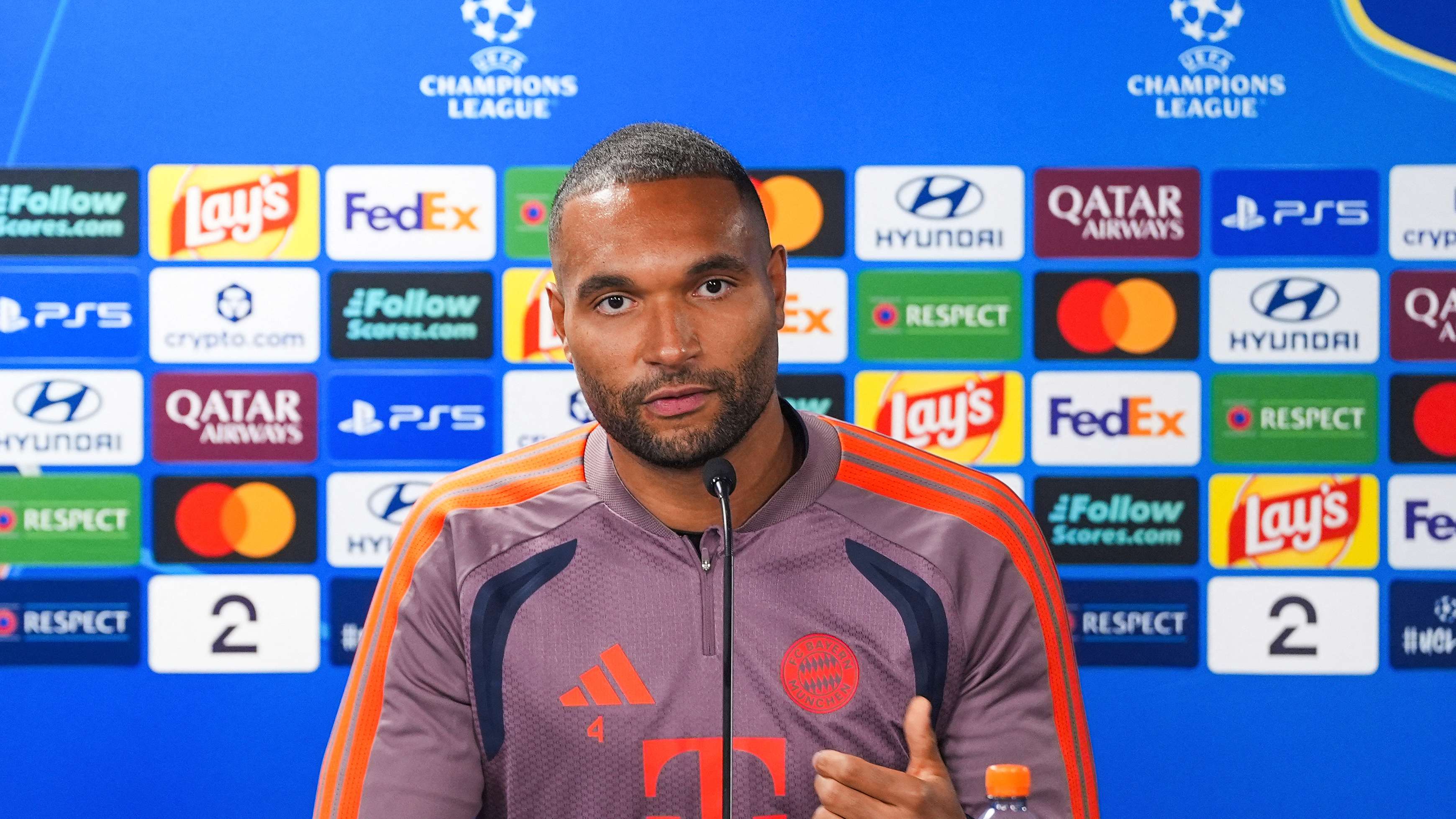
Bayern Munich defender Jonathan Tah has urged his teammates to take Kai Havertz seriously as they prepare to face Arsenal in the Champions League. The Germany international knows the Gunners forward well, both as a former teammate and as a long-time friend, and believes Havertz is still misunderstood by many football fans despite his record of influencing major matches.
For Bayern, the warning is more than a personal endorsement. Havertz offers Arsenal a flexible attacking option who can operate through the middle, link play between the lines or move into wider areas. His ability to change roles during a match could make him particularly difficult to track in a high-stakes European tie.
Tah’s insight into a familiar opponent
Tah’s familiarity with Havertz gives his assessment added weight. The two German internationals have shared dressing rooms and faced one another throughout their careers, giving the Bayern defender a close view of the qualities that can be overlooked when attention focuses only on goals and assists.
Havertz has often attracted debate over his best position and how his contribution should be measured. Yet his value can extend beyond the final action. He can help Arsenal retain possession under pressure, create space for teammates with his movement and arrive in dangerous areas when defenders are focused elsewhere. Those details may not always dominate a match report, but they can shape how an attack develops.
Tah’s message to Bayern is therefore clear: the club must prepare for the complete player, not simply the version of Havertz defined by public opinion. In Champions League football, where small tactical advantages can decide a tie, underestimating an opponent’s less visible strengths can be costly.
Why Havertz could trouble Bayern
Arsenal’s attacking structure relies on movement and interchange rather than keeping every player in a fixed position. Havertz can support that approach by drifting into pockets of space, joining combinations around the penalty area or making forward runs that pull defenders away from other threats.
That versatility presents a challenge for Bayern’s back line. If a centre-back follows Havertz too far from his position, space may open behind the defensive unit. If the defenders leave him free between the lines, he can turn, connect with Arsenal’s midfield and help the team advance. Bayern will need to communicate effectively and decide when to pass him on rather than allowing his movement to disrupt the shape.
Havertz’s physical presence can also be useful in a demanding European contest. He can compete for aerial balls, protect possession and give Arsenal an outlet when they need to play forward quickly. Those qualities are especially important against an opponent capable of pressing aggressively and turning loose possession into an immediate counterattack.
A player whose contribution goes beyond statistics
One reason Havertz remains a talking point is that his performances are not always easy to summarise through a single number. Goals and assists remain important measures for any forward, but they do not capture every part of his role. A well-timed run can create room for a teammate; a short pass can help Arsenal escape pressure; and a defensive contribution can prevent an opponent from launching a dangerous break.
That broader picture helps explain Tah’s view that Havertz is misunderstood. Supporters may judge him according to the expectations attached to his position, while coaches can value his adaptability and willingness to perform different tasks for the team. His effectiveness may depend on the balance around him, the space Arsenal can exploit and the way the match unfolds.
It also means Bayern cannot assume that Havertz will remain in one area of the pitch. He may begin centrally but move into a supporting role, or appear deeper before making a late run into the box. Tracking those changes will require discipline from Bayern’s midfielders as well as its defenders.
What the Champions League prediction could hinge on
Any prediction for a Bayern Munich-Arsenal Champions League meeting must account for more than the reputation of either club. The result could depend on which side controls the midfield, handles pressure more effectively and makes better use of transitions. Arsenal will want to create combinations that bring Havertz into the game, while Bayern will look to limit the space in which he can receive and turn.
For Bayern, the key may be to defend collectively rather than assign responsibility to one player alone. A midfielder stepping out to challenge Havertz could leave space elsewhere, while a defender moving forward might expose the line behind. Clear communication and compact positioning will be essential, particularly when Arsenal switch the point of attack or use quick passes to draw Bayern out of shape.
Arsenal, meanwhile, will need to ensure Havertz is supported. If he receives the ball without nearby passing options, Bayern can close him down and force a turnover. But if the Gunners provide movement around him, his link-up play could help unlock the defence and create opportunities for teammates.
A personal connection adds an extra edge
The fixture carries an added human dimension because Tah and Havertz know one another so well. That familiarity can help a defender anticipate an opponent’s habits, but it can also reinforce respect for the qualities that make him dangerous. Tah’s public warning suggests Bayern are aware that Havertz should not be dismissed because of outside criticism or simplified assessments of his form.
For Arsenal supporters, the defender’s comments offer a reminder of the forward’s potential importance in a major European match. Havertz may not always be the most obvious focal point, but his movement, work rate and ability to adapt can influence the contest in several ways. If he finds the right spaces and connects effectively with Arsenal’s other attackers, he could become one of the defining players of the tie.
Bayern will approach the challenge with experience and quality of their own, but Tah’s message highlights a central tactical question: can the German champions contain Havertz without disrupting their defensive structure? The answer may help shape the match—and could prove significant in deciding which side takes an advantage in the Champions League battle.