
Tacchinardi Urges Juventus Players to Show More as Kolo Muani Struggles for Fit
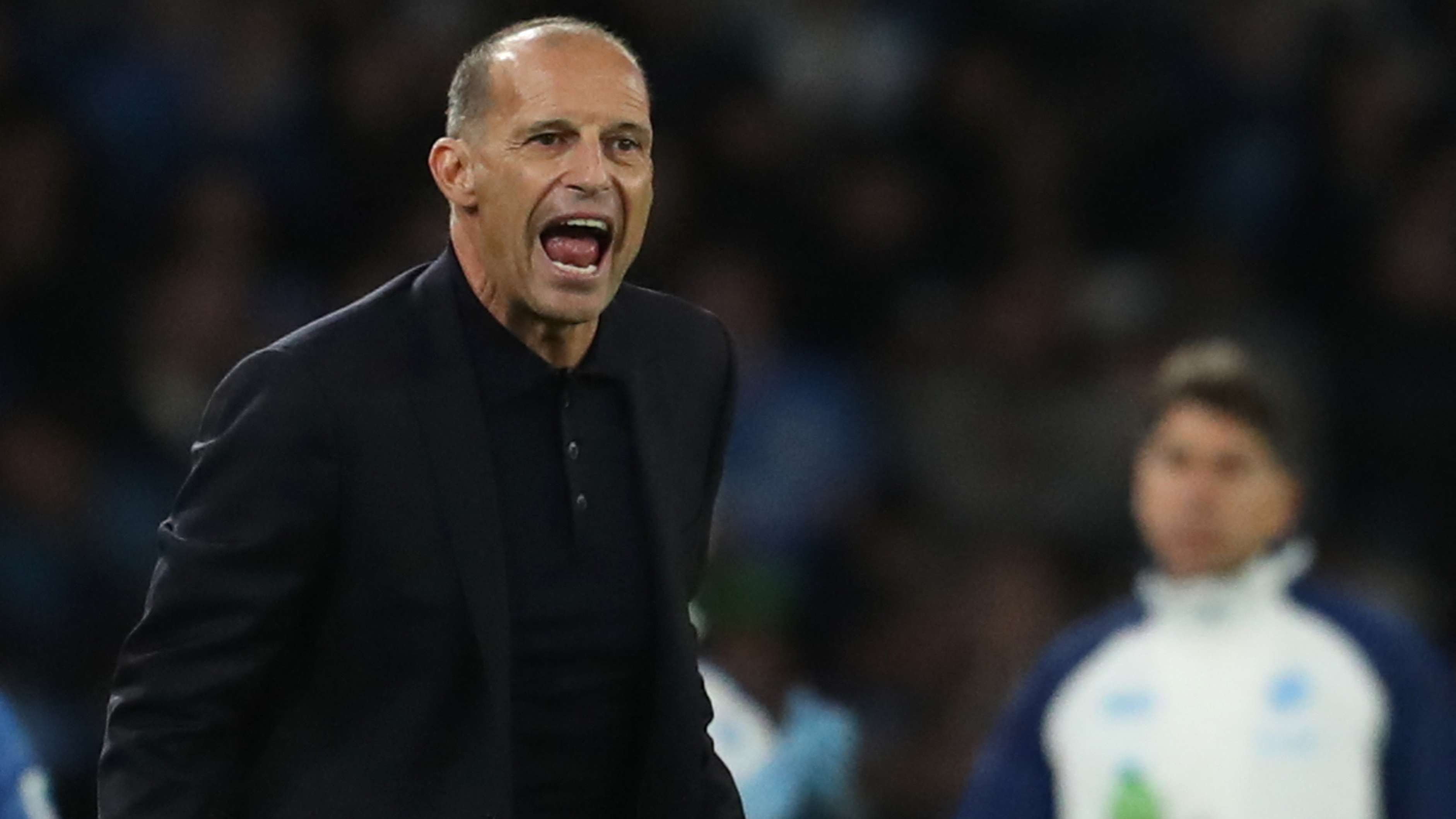
Former Juventus midfielder Alessio Tacchinardi has challenged the club’s players to raise their level, arguing that responsibility for the team’s recent difficulties should not rest solely with head coach Luciano Spalletti. Speaking to Tuttosport, the former Italian international said Juventus must show greater intensity and consistency before the discussion turns to tactical solutions.
Tacchinardi’s comments offer a pointed assessment of a side still searching for its best rhythm. He singled out the closing stages of a recent performance as evidence that Juventus can play with more urgency, but warned that a brief spell of energy is not enough. The team, he suggested, must carry that commitment across a full match if it wants to meet expectations in Serie A and compete effectively in the wider football calendar.
Tacchinardi puts the responsibility on Juventus’ players
“My criticism is directed at the players, not Spalletti,” Tacchinardi said. “With respect, they need to give more.” His message was clear: while coaching decisions will always attract attention, the players on the pitch must first demonstrate the determination and quality required to change a game.
The pundit pointed to the final 20 minutes of the match, when Juventus appeared to play with greater aggression and purpose. That late surge, he said, showed a different side of the team—one that attacked with more “venom” and seemed willing to take greater responsibility. The challenge now is to make that approach a regular feature rather than a short-lived response to pressure.
For supporters, the contrast between a subdued display and a more forceful finish can be frustrating. A late improvement may suggest that the team has the ability to compete at a higher level, but it also raises questions about why that intensity was not present from the opening whistle. Juventus need to turn promising passages into sustained performances, particularly in matches where a slow start can leave little room for recovery.
Tacchinardi added that tactical debate should follow, rather than replace, an honest assessment of the players’ contribution. Spalletti’s system and selections can be examined, but the team must execute its responsibilities with greater conviction. In practical terms, that means sharper pressing, more decisive movement, stronger challenges and better concentration when possession changes hands.
Kolo Muani’s role remains a difficult tactical question
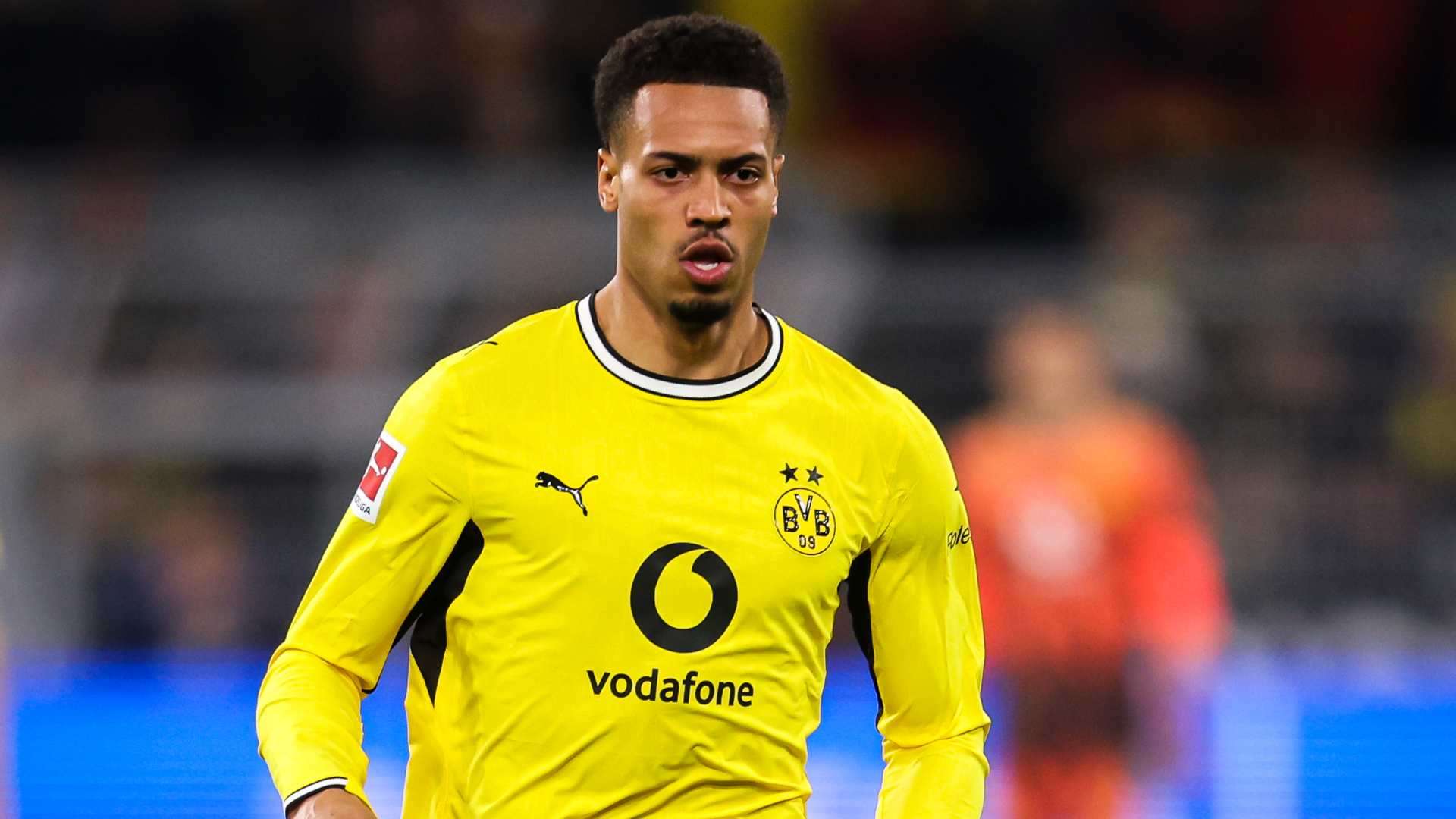
Tacchinardi also discussed Randal Kolo Muani, acknowledging that the forward had a technically poor performance while stressing that his role in the Juventus attack may not suit his natural qualities. The Frenchman, he argued, is not a conventional centre-forward, and adapting him to a team whose attacking patterns demand a fixed presence in the penalty area can be difficult.
One concern is that Kolo Muani does not consistently occupy the box. A striker who moves away from central areas can help connect play and create space for teammates, but that movement also leaves Juventus without a regular target near goal. Against organised defences, the team may need a forward who can hold position, attack crosses and offer a clear option when wide players deliver the ball.
Tacchinardi’s criticism was not simply about effort or talent. It focused on the relationship between a player’s strengths and the demands of the team. Kolo Muani’s mobility can be useful when Juventus have space to attack, but when opponents sit deep and protect the area in front of goal, he may find it harder to influence the match. If he drifts away from the centre, the attack can lose the reference point needed to unsettle a compact defence.
That does not mean the Frenchman has no role to play. His movement, pace and ability to carry the ball can offer different options, especially in transitions. The key question for Spalletti is how to use those attributes without weakening Juventus’ presence in the box. Pairing Kolo Muani with a more traditional striker, adjusting the positioning of the wingers or asking midfielders to make more frequent runs into the area could all help address the problem.
Pressure can weigh heavily on new Juventus forwards
Tacchinardi’s advice to Kolo Muani was to stay relaxed. He warned that excessive pressure can make a difficult situation worse, drawing a comparison with Juventus forwards Lois Openda and Jonathan David. In his view, their shirts appeared to “weigh a ton”—a vivid way of describing the burden that can come with joining a club where expectations are exceptionally high.
At Juventus, every missed chance and quiet performance is likely to be scrutinised. That attention can affect a forward’s confidence, particularly when the player is still adapting to a new league, new teammates and a different tactical structure. Strikers often depend on rhythm: a well-timed run, a clean first touch or an early goal can help them settle. When those moments do not arrive, frustration can build quickly.
Keeping calm does not mean lowering standards. Rather, it means allowing players the space to respond constructively to criticism and work through a difficult spell. Kolo Muani will need to show greater precision and make his movement more effective, while Juventus must create the conditions for him to play to his strengths. The responsibility, as Tacchinardi’s wider comments suggest, is shared between the individual and the team.
What Tacchinardi’s comments mean for Juventus’ next steps
The former midfielder’s assessment highlights two connected challenges for Juventus: improving the team’s overall intensity and finding a clear attacking balance. A stronger collective performance could make life easier for the forwards, while a better-defined role for Kolo Muani could give the team a more reliable route to goal.
Any football prediction about Juventus’ prospects should therefore account for more than a formation or a single player’s form. The club’s results will depend on whether the squad can sustain its effort, convert possession into meaningful chances and respond positively when opponents defend deep. Spalletti’s tactical decisions matter, but execution and confidence will be just as important.
Tacchinardi’s central point is a demanding one: Juventus have already shown flashes of the intensity they need, but potential must become performance. If the players can bring the urgency of those final 20 minutes into the rest of their matches—and if the attack is organised around the qualities of its forwards—the team will have a stronger foundation for improvement. Until then, criticism of tactics may miss the more immediate issue: Juventus must give more on the pitch.