
AC Milan’s Defeat to Lazio Overshadowed by Sideline Drama
AC Milan’s recent 1-0 defeat to Lazio was not just a loss on the field but also sparked high drama on the sidelines. The match saw star winger Rafael Leao reacting furiously to being substituted in the second half, leading to a clash with manager Massimiliano Allegri and a visible display of frustration that stole the spotlight from the game itself.
Tension Boils Over
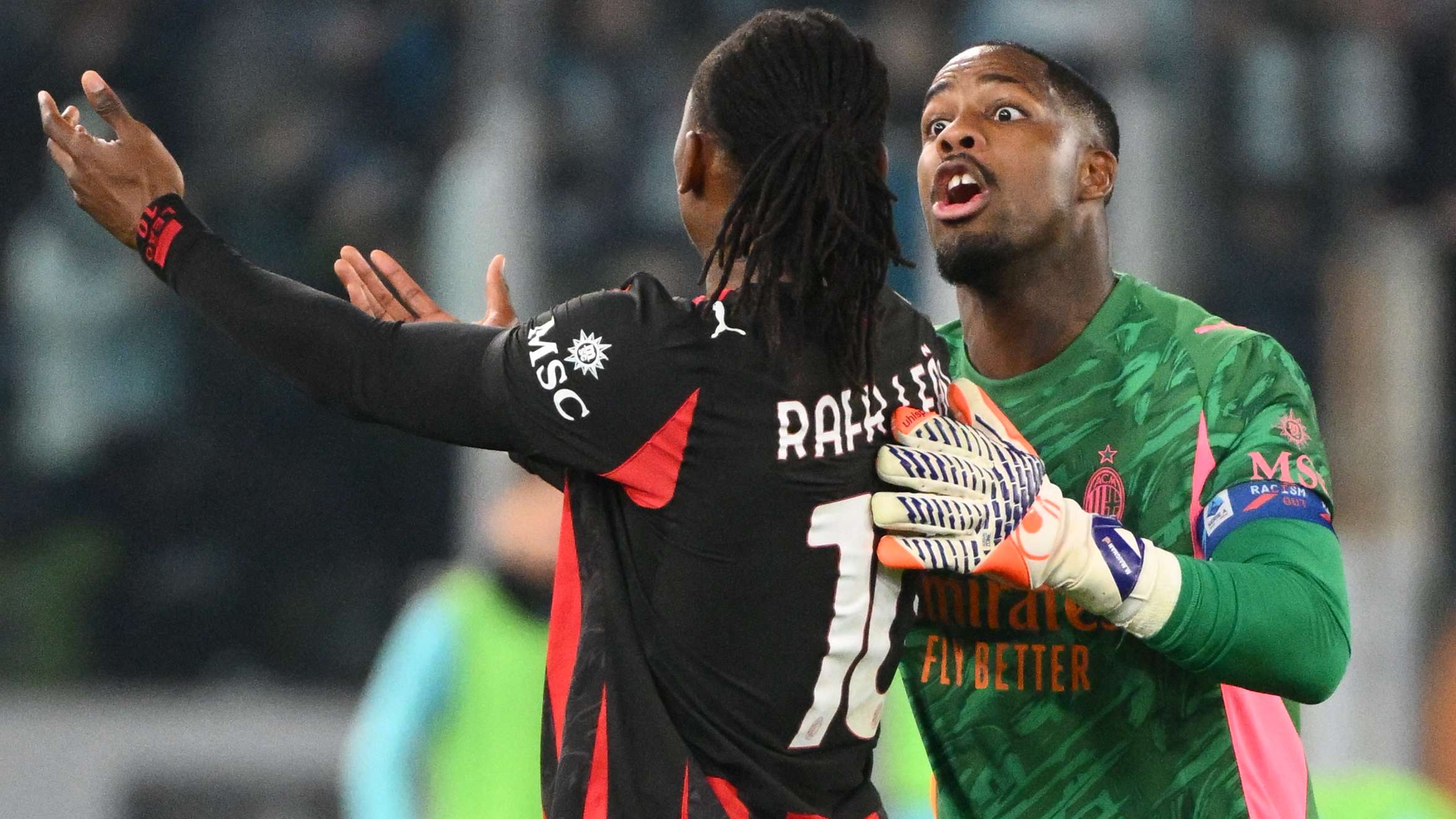
The tension within the Milan camp came to a head during their trip to the capital. With the Rossoneri trailing to a first-half strike from Gustav Isaksen, Allegri made a strategic decision with 25 minutes remaining by substituting Leao and Youssouf Fofana for Niclas Fullkrug and Christopher Nkunku. However, Leao, who had struggled to make a significant impact on the match, did not take the substitution well.
The former Lille attacker took his time exiting the field, causing goalkeeper Mike Maignan to intervene and urge his teammate to leave the pitch quickly to save valuable time in the hunt for an equalizer. The situation then escalated on the touchline; when Allegri attempted to console Leao, the winger pushed his coach away before angrily kicking several water bottles near the dugout.
Player-Manager Conflict
The clash between Leao and Allegri highlights the underlying tension within the Milan squad. The incident not only reflects the frustration of a player being substituted but also raises questions about the relationship between the manager and the team, especially in a challenging period for the club.
Leao’s emotional outburst has sparked discussions among fans and pundits about the role of players in expressing their discontent on the field and the impact it can have on team dynamics. While passion and determination are essential qualities in football, how players manage their emotions in high-pressure situations can make a significant difference in the outcome of a match.
Looking Ahead
As AC Milan navigates through a series of challenging fixtures, including upcoming matches in both domestic and European competitions, the team will need to address the internal issues highlighted by the incident against Lazio. Finding a balance between individual frustrations and collective goals will be crucial in maintaining unity and focus as they strive for success on multiple fronts.
Ultimately, the drama on the sidelines serves as a reminder of the intense emotions and pressures that accompany professional football. While defeats and setbacks are part of the game, how teams handle internal conflicts and disagreements can define their resilience and determination to overcome obstacles in pursuit of their goals.
In conclusion, AC Milan’s defeat to Lazio may have been a disappointing result, but the real story of the match lies in the dramatic confrontation between Leao and Allegri, shedding light on the complexities of player-manager relationships and the challenges of managing emotions in the heat of competition. As the Rossoneri regroup and refocus for their upcoming fixtures, the incident serves as a valuable lesson in navigating the highs and lows of professional football with composure and unity.
Impact on Team Dynamics
The fallout from the incident between Leao and Allegri has the potential to affect the overall morale and cohesion within the AC Milan squad. Such public displays of discord can create tension and division among players, undermining team unity and performance on the pitch. It is essential for the coaching staff and team leaders to address the issue promptly and effectively to prevent any lingering effects on the team’s chemistry.
Communication and conflict resolution will be key in resolving the underlying issues between Leao, Allegri, and the rest of the squad. Open dialogue, mutual respect, and a shared commitment to the team’s goals can help rebuild trust and harmony within the group. It is crucial for all parties involved to set aside personal differences and prioritize the collective success of the team moving forward.
Handling Pressure and Expectations
Professional football is a high-pressure environment where emotions run high, and expectations are immense. Players like Leao are under constant scrutiny, both from fans and the media, which can add to the stress and intensity of competitive matches. Learning to manage emotions and respond constructively to setbacks is a crucial skill for athletes at the highest level.
In the case of AC Milan, the incident involving Leao serves as a reminder of the challenges that come with competing at the top of the sport. It is a test of character for both the player and the manager to navigate through difficult moments with composure and professionalism. Developing resilience and mental fortitude is just as important as tactical and technical abilities in achieving success in football.
Lessons Learned
While the defeat to Lazio and the subsequent drama on the sidelines may have been disappointing for AC Milan, there are valuable lessons to be gleaned from the experience. The incident presents an opportunity for introspection and growth, both for the individuals involved and the team as a whole.
By addressing the underlying issues, fostering open communication, and reinforcing a sense of unity and purpose, AC Milan can emerge stronger from this adversity. It is through overcoming challenges and setbacks that teams build resilience, character, and a sense of togetherness that can propel them towards their goals.
Conclusion
As AC Milan reflects on the events surrounding their defeat to Lazio, they have a chance to turn a negative situation into a catalyst for positive change. By learning from the incident, addressing internal dynamics, and reaffirming their commitment to success, the Rossoneri can emerge from this episode stronger and more united than before.
Football is a game of highs and lows, victories and defeats, but it is how teams respond to adversity that truly defines their character. AC Milan has an opportunity to demonstrate resilience, professionalism, and unity in the face of challenges, setting the stage for a successful and harmonious future on and off the pitch.