
VfB Stuttgart Apologise After Galatasaray Stadium Post Sparks Backlash
VfB Stuttgart have apologised to Galatasaray after a social media post about the Turkish club’s stadium drew an angry response from supporters ahead of their Champions League meeting. The Bundesliga side deleted the post and said it had not intended to offend the Istanbul club or its fans.
The incident unfolded just hours before the teams were due to meet on Tuesday evening. Stuttgart’s official X account shared an image of the loudspeaker system at Rams Park, Galatasaray’s home ground, accompanied by three pensive-face emojis. The post was widely interpreted as a pointed reference to long-running debate about the stadium’s famously intense atmosphere.
A social media joke touches a sensitive subject
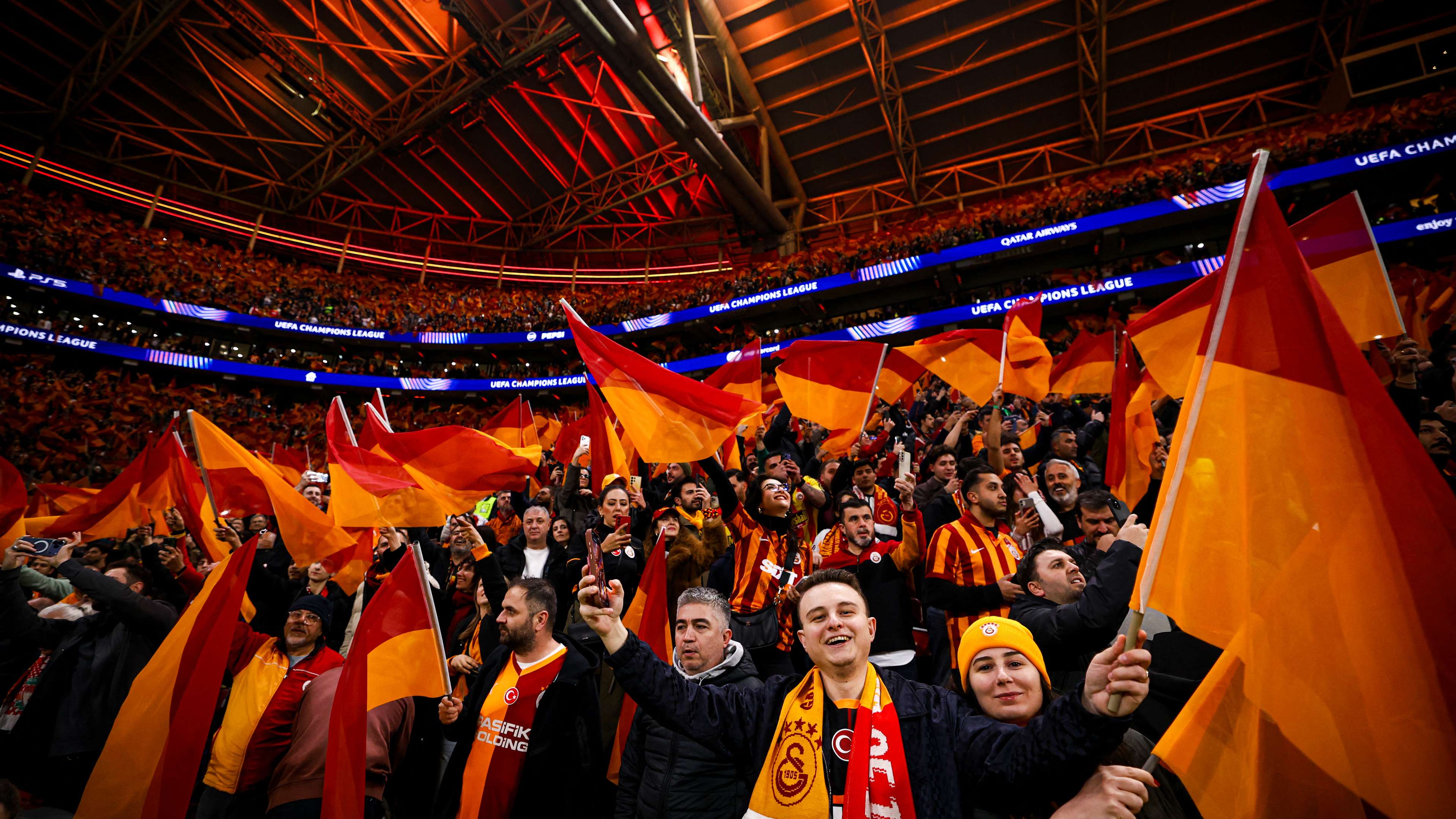
Galatasaray are renowned for the noise generated by their supporters, particularly during major European fixtures. The club’s home atmosphere is often described as one of the most intimidating in football, with fans greeting visiting teams with coordinated chants, flags and deafening whistles.
At the same time, claims have periodically circulated that stadium loudspeakers are used to amplify the crowd’s whistling and make the environment even more challenging for away players. The allegations have become part of the broader conversation around Rams Park, but they remain a source of contention among supporters. Stuttgart’s post appeared to allude to that discussion without directly explaining its meaning.
Many Galatasaray fans viewed the image and emojis as a provocation rather than harmless humour. Critical replies quickly appeared beneath the post, with some users directing insults at the German club. The post attracted significant attention before Stuttgart removed it, underscoring how quickly a brief social media message can take on a life of its own during a high-profile European match week.
Stuttgart issue a public apology
After deleting the post, VfB Stuttgart published a statement addressed to the Galatasaray community. The club said it had not intended to hurt or disrespect anyone and apologised if the message had caused offence. Stuttgart also expressed gratitude for the hospitality shown in Istanbul and praised the cooperation between the two clubs.
“We hope for a fair and exciting match in your magnificent stadium,” the German side added, shifting the focus back towards the football and the occasion itself. The wording was intended to ease tensions before the teams met in a fixture carrying important implications for the Champions League standings.
Galatasaray’s official account accepted the apology in a friendly reply. The Turkish club thanked Stuttgart and said it looked forward to welcoming the visitors to what it called one of the best football atmospheres in the world. It also wished for a great match, offering a more conciliatory response than some of the reactions from individual supporters.
Not every fan was ready to move on. Critical comments continued beneath Stuttgart’s apology, and the original post had reportedly been viewed around 1.4 million times in just ten hours. Roughly 2,200 comments were posted, with the majority coming from Galatasaray supporters. The episode illustrates how the reach of a club account can magnify a small gesture into a major talking point.
Atmosphere, rivalry and the pressure of European nights
Stadium atmosphere is a central part of the appeal of European football, and it can be especially powerful in matches involving clubs with passionate, deeply rooted fan bases. Galatasaray’s supporters have built a reputation for creating a distinctive matchday experience, while visiting players and coaches often speak about the challenge of staying composed amid the noise.
That intensity can become a subject of debate when claims about sound systems or crowd behaviour circulate. For clubs, the challenge is to recognise the passion of supporters without appearing to question the legitimacy of the atmosphere. Stuttgart’s deleted post showed how easily an attempt at a playful pre-match reference can be interpreted as criticism, particularly when it touches on a subject fans regard as part of their club’s identity.
The exchange also served as a reminder that social media has become an extension of the matchday build-up. Clubs use it to entertain supporters, promote fixtures and engage with rival fan bases, but posts can spread far beyond their intended audience. In a Champions League setting, where attention is international and emotions are high, even an image with no accompanying explanation can trigger a substantial reaction.
Champions League stakes for Stuttgart
Despite the online controversy, the sporting contest remained the central story for Stuttgart. The Swabians entered the match with seven points from their first three games and an opportunity to strengthen their position in the competition. Reaching ten points would put them in a strong position to advance to the next phase, although the precise outcome would still depend on results elsewhere and the wider league standings.
For Stuttgart, the fixture represented a chance to take another important step towards the knockout rounds. A difficult away environment would test the team’s concentration, discipline and ability to manage pressure. Galatasaray, meanwhile, had the opportunity to use home support as a source of energy and make the match a demanding test for their German opponents.
That context made the pre-match exchange more than a passing social media story. It placed the spotlight on the atmosphere before the players had even taken to the pitch, while also giving both clubs a chance to demonstrate sportsmanship. Galatasaray’s acceptance of the apology helped draw a line under the episode at an official level, even as some supporters continued to voice their frustration.
As the teams prepared to meet, the best prediction was that the stadium atmosphere would be a major factor—but the result would ultimately be decided by performances on the pitch. Stuttgart’s points total gave them a valuable platform, while Galatasaray’s home advantage promised a challenging test. With Champions League progress at stake, attention was set to shift from the deleted post to the football, the tactics and the outcome of a high-profile European encounter.