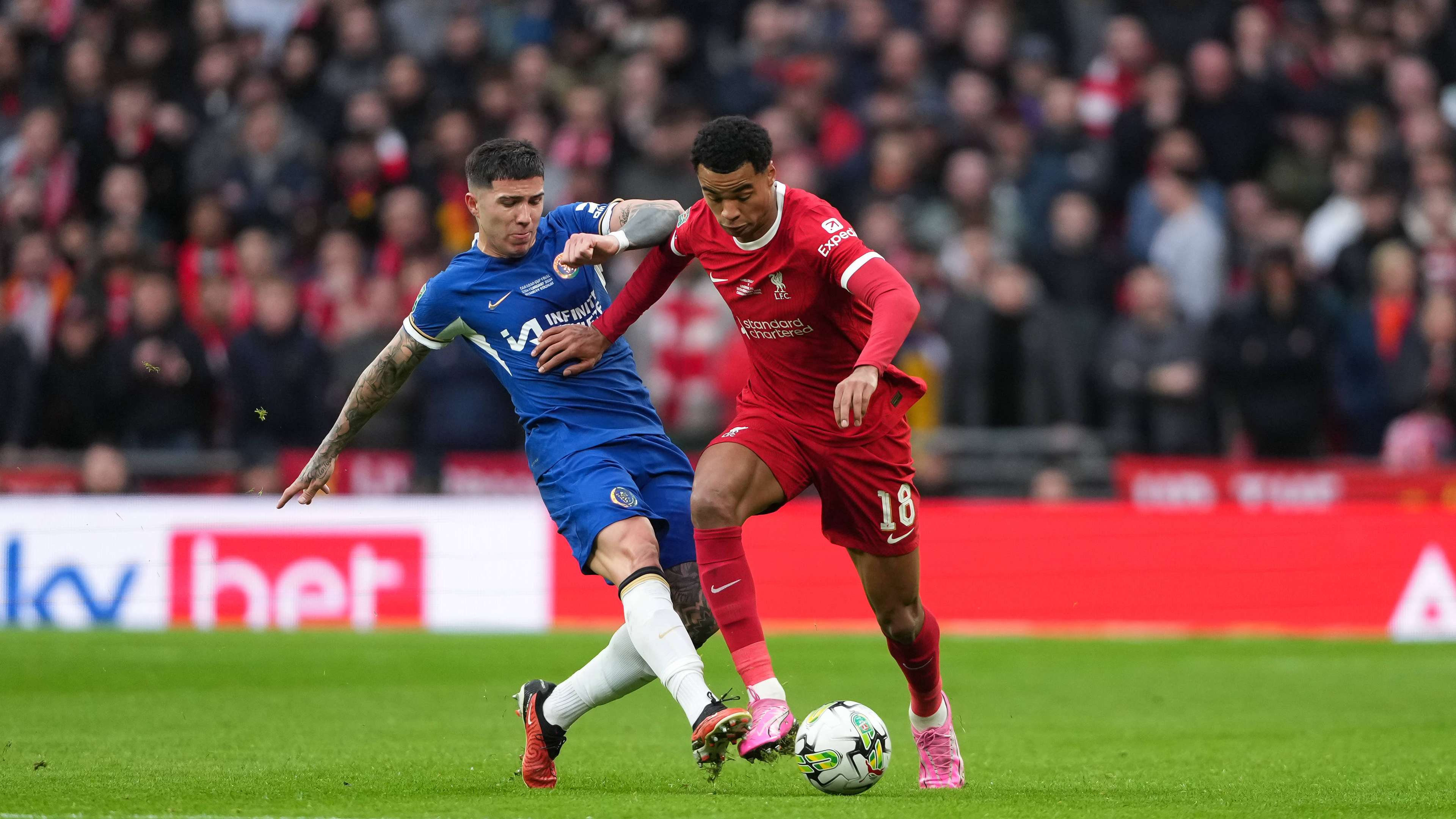

Controversial Football Rule Sparks Outrage: Ajax vs. Willem II Match Highlights Disputed Decision
The recent Eredivisie clash between Ajax and Willem II has ignited a fiery debate within the football community, as a controversial new rule led to a contentious incident that drew sharp criticism from coaches, players, and fans alike. The incident, involving Willem II’s coach John Stegeman and a key player, Jaden Slory, has cast a spotlight on recent rule changes in football and their impact on the game’s flow, fairness, and spectator experience.
Unpacking the Incident: When a Foul Turns Into a Controversy
During the first half of the match held on September 20, 2026, Ajax demonstrated their dominance with a commanding 5-1 victory over Willem II. However, amid the excitement, a particular incident involving Steven Berghuis and Willem II’s Jaden Slory became the focal point of controversy. Late in the opening period, both players contested for the ball deep inside Ajax’s half. During the aerial challenge, Berghuis inadvertently caught Slory in the face with his arm, leading to a sequence that has since sparked widespread debate.
What made this incident especially contentious was the subsequent application of a recent rule change, which dictates that if a player is hit in the face and sustains a foul, the referee must stop play, and the fouled player must temporarily leave the pitch. In this case, Slory was required to sit on the sidelines for at least one minute, even though there was no malicious intent involved. The referee, Allard Lindhout, acknowledged that a foul had occurred, but the decision to halt play and enforce the rule has been strongly criticized.
John Stegeman’s Fiery Response: A Criticism of Football’s Latest Rule
Willem II’s head coach, John Stegeman, did not hold back in expressing his frustration after the match. Standing in front of ESPN cameras, he launched a fierce attack on the rule that mandated a player to leave the field after being hit in the face, describing it as “ridiculous” and “absurd.” His comments resonated with many who believe that the rule disrupts the natural flow of the game and creates unnecessary complications.
“It’s not just about Berghuis not receiving a card,” Stegeman emphasized. “The real issue is that Jaden had to wait on the sidelines for a full minute just because he was hit in the face. That’s something I find incredibly unfair and frustrating.” He further criticized the decision-making process behind the rule, condemning the officials and the regulatory bodies involved.
The Role of the Referee and the Rationale Behind the Rule
Referee Lindhout’s decision to stop play was in line with the current regulations, which aim to address concerns about time-wasting and player safety. The rule, introduced or reinforced by the International Football Association Board (IFAB) and adopted by national associations like the KNVB (Royal Dutch Football Association), seeks to penalize deliberate delays and encourage fair play. However, critics argue that its application in situations like this is overly harsh and counterproductive.
Stegeman pointed out that while the rule might have been intended to combat time-wasting, its implementation in cases of accidental contact—such as being hit in the face—lacks practical sense. “If a player gets a hand in his face, and the referee blows the whistle, fine. But forcing a player to leave the pitch for a minute because he got hit accidentally? That’s where I draw the line,” he stated.
Implications for the Game: Fair Play or Overregulation?
The incident raises broader questions about the balance between safety, fairness, and the preservation of the game’s natural rhythm. Football has long been a sport that values flow and spontaneity, but recent rule changes—such as those addressing time-wasting, player conduct, and now this face-hit regulation—aim to modernize the game and improve its integrity.
However, critics like Stegeman argue that some rules might have unintended consequences, disrupting the fluidity of play and unfairly penalizing players for incidental contact. The concern is that such regulations could lead to more stoppages, slow down the game, and frustrate coaches, players, and supporters alike.
Broader Context: The Evolution of Football Rules and Their Impact on Prediction and Strategy
The ongoing evolution of football rules reflects an effort by governing bodies to adapt the sport to contemporary demands, including increased professionalism, player safety, and fan engagement. Yet, every new regulation comes with winners and losers, often influencing team strategies and match predictions.
For instance, teams now need to consider the risk of players being forced off the pitch due to accidental contact, which can impact tactical decisions. Coaches and analysts are increasingly factoring in how rule changes might alter game predictions and outcomes, especially when it comes to managing fouls and disciplinary actions.
Expert Opinions and Future Outlook
Many football experts believe that while rules aimed at enhancing safety and fairness are necessary, their implementation must be context-sensitive. As this incident has shown, overly rigid enforcement can backfire, leading to unfair disadvantages for teams and players.
The controversy surrounding this specific rule has prompted calls for review and adjustment. Several former players and coaches have voiced their support for a more nuanced approach—allowing referees to exercise discretion in situations where accidental contact occurs, rather than adhering strictly to rigid penalties.
Looking ahead, the football authorities and IFAB are expected to hold consultations to evaluate how these rules are applied in practice. The goal is to strike a balance that ensures safety without compromising the integrity and flow of the game. This ongoing debate underscores the importance of continuous rule assessment to adapt to the dynamic nature of football.
Conclusion: A Call for Smarter Regulation in Football
The Ajax versus Willem II match serves as a stark reminder of how rule changes—though well-intentioned—can sometimes produce unintended consequences that influence the outcome of games and the overall spectator experience. Coaches like John Stegeman highlight the need for thoughtful regulation that respects the sport’s essence while addressing modern challenges.
As football continues to evolve, prediction models and strategic planning must adapt to new regulations. Fans and analysts alike will be watching closely to see how governing bodies respond to these debates, aiming to craft rules that protect players, uphold fairness, and preserve the beautiful game’s unpredictable and exciting nature.
In the meantime, this incident remains a talking point for the football community, emphasizing that sometimes, the most important prediction isn’t just about scores but also about the future direction of the sport itself.