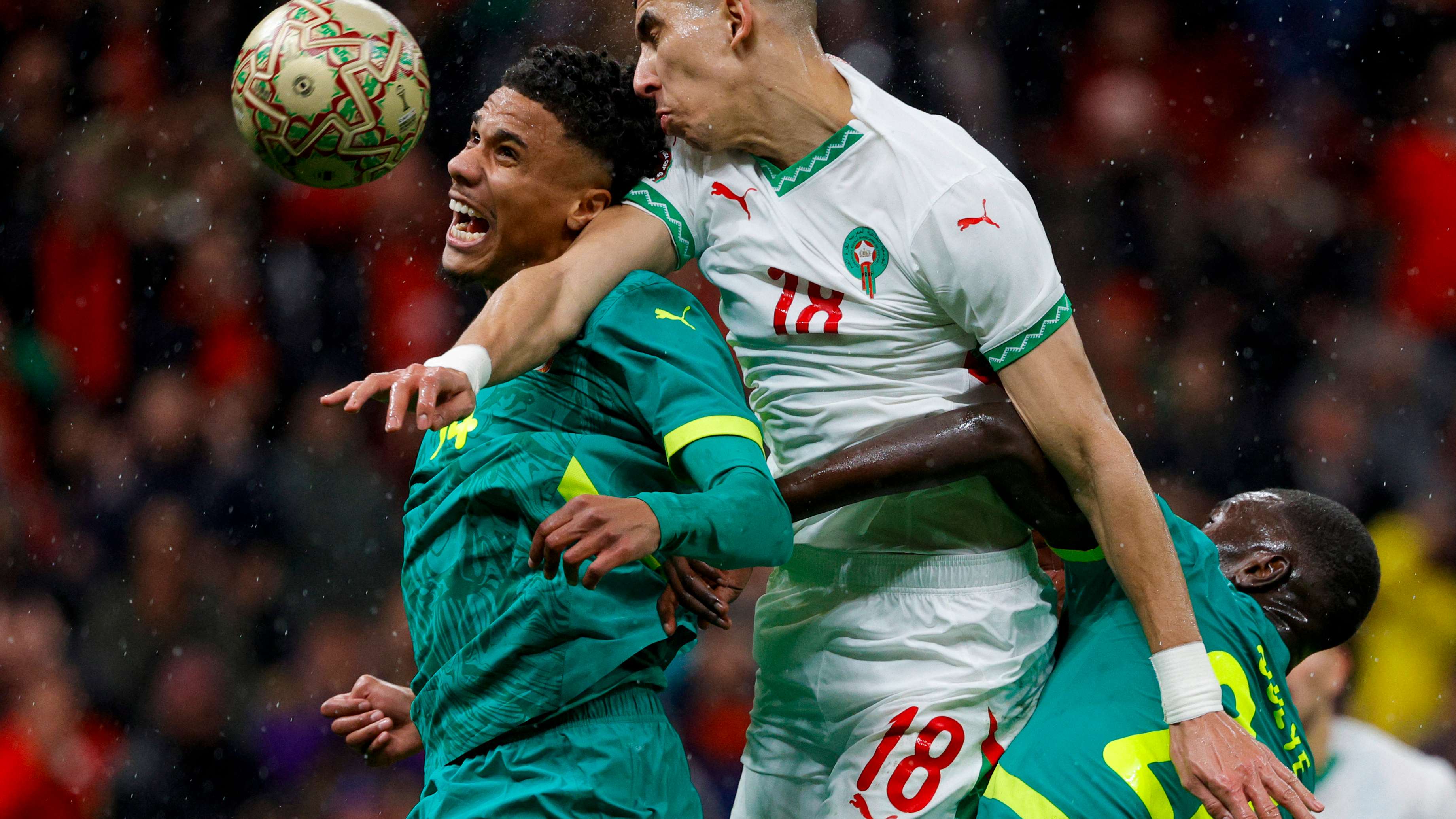

The Controversial Decision that Rocked African Football: Senegal Stripped of AFCON Title
The Confederation of African Football (CAF) has set off a storm of controversy with its recent decision to strip Senegal of the title of the most recent Africa Cup of Nations and award it to Morocco by administrative ruling. This unprecedented move has sparked outrage and debate across the African continent, with many questioning the fairness and legitimacy of the decision.
Unprecedented Precedent in AFCON History
The controversy began after CAF’s Disciplinary Committee reviewed the events of the final match between Senegal and Morocco. The match was halted minutes before the end when Senegal’s players walked off the field in protest at controversial refereeing decisions. CAF, citing Articles 82 and 84 of the tournament regulations, deemed the walkout as a “refusal to continue the match,” leading to the decision to award the victory to Morocco and the title of champions to them.
Former South African star Mark Fish, who currently plays for Italian side Lazio and has represented the Bafana Bafana, voiced his strong opposition to CAF’s ruling. Fish expressed his belief that Senegal is the true champion of the tournament, stating in a television interview, “For me, the winner is Senegal and it’s hard to believe this, so whatever happens, I see the Senegalese national team as the champions of Africa.”
Increasing Pressure on CAF
Fish’s comments come at a critical time for CAF, as the organization faces mounting criticism regarding transparency and independence in its decision-making processes. The controversial ruling has only added fuel to the fire, with many calling into question the credibility of CAF and its ability to uphold the integrity of African football.
As the debate rages on, fans, players, and officials alike are left divided over the outcome of the AFCON final and the implications it may have for future tournaments. The decision to strip Senegal of the title and award it to Morocco has left a bitter taste in the mouths of many supporters, who feel that justice has not been served.
Looking Ahead
With tensions running high and emotions still raw, it remains to be seen how CAF will address the backlash and controversy surrounding its decision. The organization must now navigate a delicate balancing act to restore faith in its governance and ensure that future tournaments are not marred by similar controversies.
As African football fans await the next chapter in this unfolding saga, one thing is certain: the debate over the rightful champions of the Africa Cup of Nations is far from over.
Keywords: football, prediction, Africa Cup of Nations, CAF, controversy, Senegal, Morocco, Mark Fish
The Impact on African Football
The decision to strip Senegal of the AFCON title and award it to Morocco has sent shockwaves through the African football community. Many fans and analysts are questioning the precedent this ruling sets for future tournaments and the message it sends about fair play and sportsmanship in the continent’s most prestigious competition.
Some critics argue that CAF’s decision undermines the spirit of the game and sets a dangerous precedent for resolving disputes in football. The controversy has also highlighted the need for clearer guidelines and protocols to address such situations in the future to prevent similar incidents from tarnishing the reputation of African football.
The Role of Technology in Football
One of the key issues at the center of the controversy is the role of technology in football officiating. Calls for the introduction of Video Assistant Referee (VAR) technology in African football have grown louder in the wake of the AFCON final debacle. Many believe that VAR could have provided a more objective and accurate assessment of the controversial refereeing decisions that led to Senegal’s walkout.
The debate over the use of technology in football is not unique to Africa, as many leagues and tournaments around the world have grappled with similar issues. However, the AFCON final incident has reignited discussions about the adoption of VAR in African football to ensure greater fairness and transparency in officiating.
Building a Stronger Future for African Football
Despite the controversy and divisions caused by the AFCON final ruling, there is an opportunity for CAF and African football stakeholders to come together to strengthen the sport on the continent. This incident can serve as a catalyst for reforms that prioritize integrity, accountability, and transparency in football governance.
It is crucial for CAF to engage with fans, players, and officials to address their concerns and rebuild trust in the organization’s decision-making processes. By fostering open dialogue and implementing measures to prevent similar controversies in the future, CAF can demonstrate its commitment to upholding the values of fair play and sportsmanship in African football.
Looking Towards the Future
As the dust settles on the AFCON final controversy, African football stands at a crossroads. The events surrounding Senegal’s title stripping serve as a wake-up call for the entire football community to reevaluate the way the game is governed and officiated in the continent.
Moving forward, it is vital for CAF to learn from this experience and take proactive steps to ensure that African football remains a beacon of excellence and integrity. By embracing transparency, embracing technology, and prioritizing the interests of players and fans, CAF can pave the way for a brighter future for football in Africa.
Keywords: football, prediction, Africa Cup of Nations, CAF, controversy, Senegal, Morocco, Mark Fish, VAR, technology, fair play