
Alexander Sorloth Regrets Missed Opportunity in Norway’s World Cup Quarter-Final
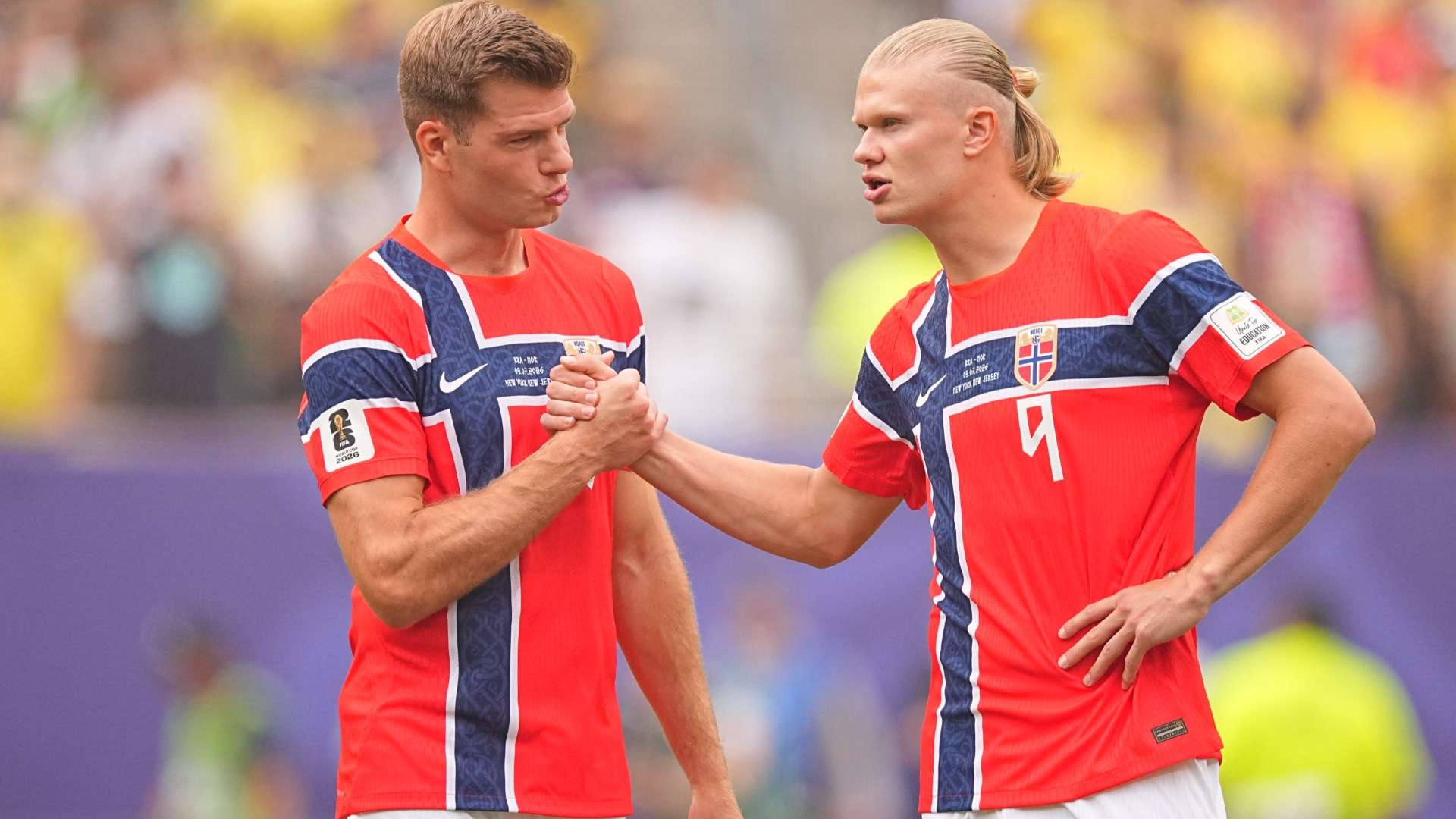
Alexander Sorloth, the Norwegian striker, recently spoke out about a critical moment in Norway’s World Cup quarter-final match against England. Sorloth’s missed opportunity to pass to Erling Haaland, who was in a prime position to score, ultimately played a significant role in Norway’s heartbreaking defeat.
The Missed Pass
During the crucial match against England, Erling Haaland found himself wide open and in a perfect position to double Norway’s lead just before half-time. However, instead of delivering the pass to his teammate, Alexander Sorloth made the decision to take the shot himself. This choice turned out to be a pivotal moment in the game, with many fans and pundits questioning Sorloth’s decision-making on the field.
Reflecting on the missed opportunity, Sorloth expressed regret over his decision to go for goal instead of passing to Haaland. He acknowledged that in such high-pressure situations, making split-second decisions can be challenging, and he ultimately made the wrong choice.
The Impact on the Match
Many football analysts and fans believe that had Sorloth passed the ball to Haaland, Norway could have potentially secured a crucial second goal, changing the course of the match. Unfortunately, Sorloth’s decision to go for goal himself allowed England to regroup and eventually turn the tide in their favor, leading to Norway’s defeat in the quarter-final.
The missed opportunity not only impacted the outcome of the match but also highlighted the importance of teamwork and decision-making in football. In high-stakes games like the World Cup quarter-final, every decision made on the field can have a significant impact on the final result.
Learning from Mistakes
Despite the disappointment of Norway’s defeat, Alexander Sorloth sees the missed opportunity as a learning experience. He understands the importance of analyzing his decisions on the field and learning from mistakes to improve as a player. Sorloth remains determined to bounce back from this setback and continue to grow and develop as a footballer.
As Norway’s World Cup journey comes to an end, the team and its players, including Sorloth and Haaland, will undoubtedly reflect on the highs and lows of the tournament. While the defeat may sting for now, it serves as a valuable lesson for the team as they look ahead to future competitions.
Looking to the Future
With the World Cup quarter-final behind them, Alexander Sorloth and the Norwegian national team will now shift their focus to upcoming matches and competitions. As they regroup and prepare for future challenges, Sorloth’s experience in the quarter-final will undoubtedly shape his approach on the field and his commitment to teamwork and decision-making.
As football fans around the world analyze Norway’s performance in the World Cup, the missed opportunity in the quarter-final will serve as a reminder of the fine margins between success and defeat in the beautiful game.
The Mental Toll of High-Stakes Matches
One aspect often overlooked in football is the mental toll that high-stakes matches like the World Cup quarter-finals can take on players. Alexander Sorloth’s missed opportunity to pass to Erling Haaland not only had physical repercussions on the game but also highlighted the intense pressure and split-second decision-making that players face on the field.
In moments of such magnitude, the mental resilience of players is put to the test. The ability to stay focused, make quick and accurate decisions, and cope with the weight of expectations from fans and teammates can significantly impact a player’s performance. Sorloth’s experience in the quarter-final serves as a reminder of the mental challenges that players must navigate in crucial moments.
The Role of Predictions in Football
Predictions play a significant role in football, both on and off the field. Fans, analysts, and even players themselves often make predictions about match outcomes, player performances, and strategic decisions. In the case of Sorloth’s missed opportunity, many fans and pundits predicted that passing to Haaland would have been the optimal choice for Norway’s success.
However, in the heat of the moment, predictions can be difficult to adhere to. The unpredictability and fast-paced nature of football make it challenging for players to always follow the expected course of action. Sorloth’s decision to take the shot himself instead of passing to Haaland exemplifies the unpredictable nature of football and the impact of split-second decisions on the game.
Team Dynamics and Collaboration
The missed opportunity in the World Cup quarter-final also sheds light on the importance of teamwork and collaboration in football. While individual talent is crucial, effective teamwork and communication among players can often be the difference between victory and defeat. Sorloth’s decision to go for goal instead of passing to Haaland underscored the significance of trust and coordination among teammates.
Moving forward, Sorloth and the Norwegian national team will likely focus on strengthening their team dynamics and fostering better collaboration on the field. Learning from the missed opportunity in the quarter-final, the team can work towards improving their decision-making processes and enhancing their ability to work together towards a common goal.
Conclusion: Lessons Learned and Future Prospects
As Alexander Sorloth reflects on the missed opportunity in Norway’s World Cup quarter-final, he embraces the lessons learned and the opportunity for growth. The experience serves as a valuable reminder of the mental challenges, predictive nature, and importance of teamwork in football.
Looking ahead, Sorloth and the Norwegian national team will undoubtedly use this setback as motivation to improve and strive for success in future competitions. The missed opportunity may have been a disappointing moment in the World Cup journey, but it has the potential to shape the team’s future prospects and strengthen their resolve to achieve greater milestones in the beautiful game of football.