
La Liga Takes Decisive Action Against Offensive Fan Chants in Matchday 7 and Beyond
The passionate world of football often thrives on intense rivalries and spirited chants, but recent incidents across Spain’s top and second divisions have cast a shadow over the beautiful game. La Liga, Spain’s premier football league, has responded proactively to a surge in offensive and discriminatory chants heard in stadiums during the seventh round of the La Liga season and the sixth round of the Segunda División. These chants, which include racist, xenophobic, and offensive references targeting players, officials, teams, and even national figures, have raised serious concerns about fan behavior and the league’s commitment to promoting a safe and inclusive environment for all spectators and participants.
Immediate League Response and Reporting Mechanisms
In an effort to combat these unacceptable behaviors, La Liga has implemented a rigorous monitoring system. Each week, the league compiles a detailed report documenting offensive chants, slogans inciting violence, or promoting intolerance. These reports are then promptly forwarded to the Spanish Football Federation’s Competitions Committee and the National Commission against Violence, ensuring that authorities are fully informed and can pursue appropriate disciplinary measures. This structured approach highlights La Liga’s dedication to maintaining the integrity of the sport while addressing the root causes of fan misconduct.
This initiative aligns with broader efforts by football authorities worldwide to curb hate speech and offensive behavior, recognizing that such incidents tarnish the sport’s reputation and undermine the values of respect and diversity that football embodies.
Specific Incidents and Targets During Matchday 7
Marca, Spain’s leading sports newspaper, reported a series of disturbing chants heard during several matches. These incidents involved a range of offensive language directed at various entities, including the national team, the Spanish monarchy, players, referees, and specific clubs. Below are some of the most notable examples from the recent matchday:
Osasuna vs. Rayo Vallecano
- Chant: “Whore Spain, and the whore national team”
- Additional offensive remark: “Spain is scum, the King is a fascist, and all his followers are sons of whores”
These chants, heard during the second half, reflect deep-seated frustrations and prejudices but are entirely unacceptable in any sporting context. They also highlight the intersection of politics, nationalism, and football, which, when misused, can incite division and hatred.
Celta Vigo vs. Racing Santander
- Chant: “Yes, damn it, whore Santander” (repeated twice)
This chant targeted the away team with offensive language, disrupting the game and creating an uncomfortable atmosphere for players and fans alike.
Sevilla vs. Barcelona
- Chants: “Barcelona, Barcelona, scum!” (repeated three times)
- Inappropriate remark: “Kick him, kick him,” directed at a Barcelona player receiving medical treatment
Such chants not only undermine sportsmanship but also threaten player safety and well-being, emphasizing the need for stringent measures against abusive behavior.
Getafe vs. Malaga
- Chant: “Oh, oa, every day an idiot referees us!”
Referees are vital to the fairness of football matches, and derogatory chants aimed at officials undermine their authority and the integrity of the game.
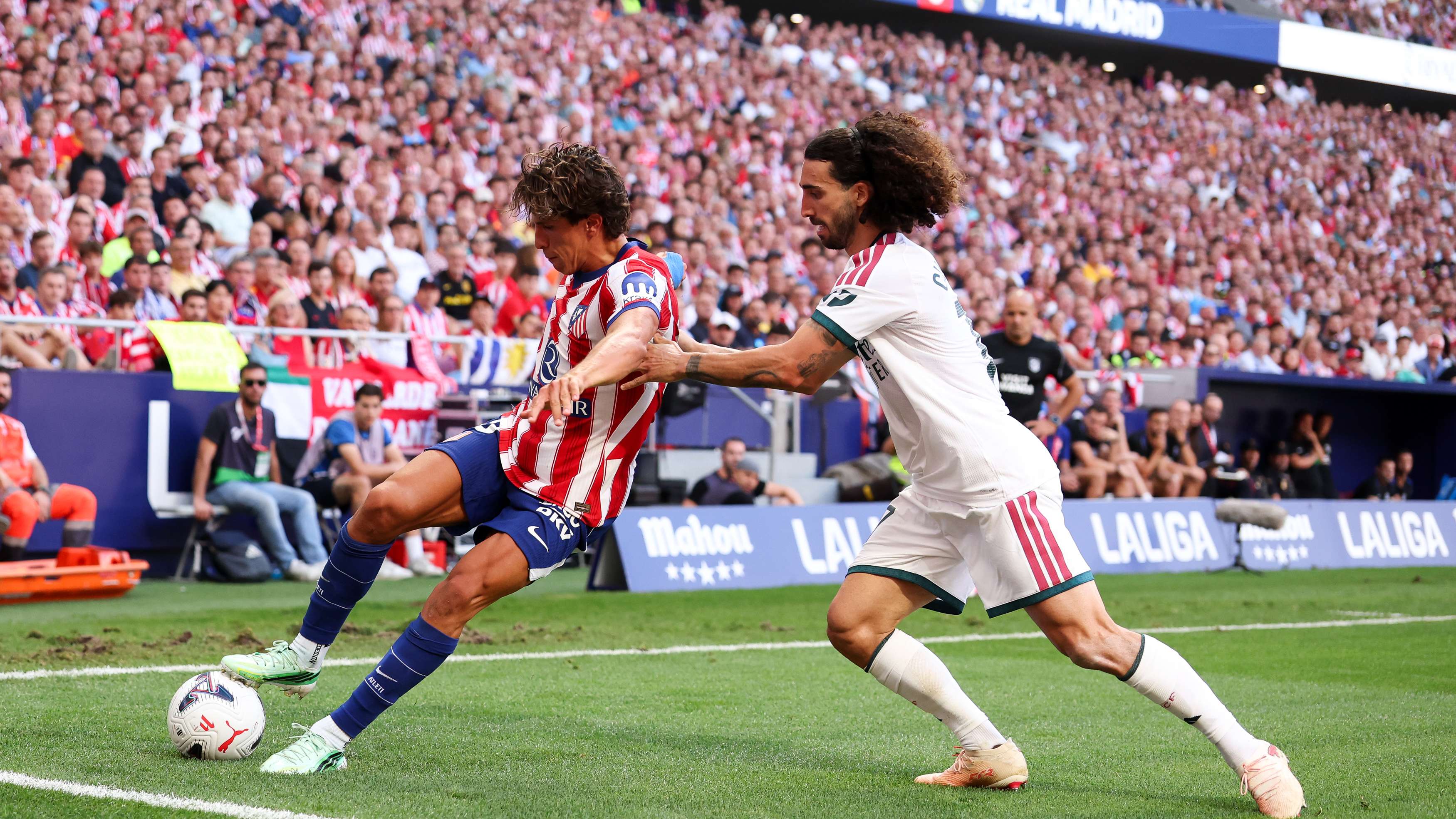
Derby Tensions: Atletico Madrid vs. Real Madrid
- Chants: “Madridistas, sons of whores” (three times), “Whore Real Madrid” (once), and a provocative comment about a goalkeeper: “This is not a goalkeeper, this is a nightclub whore”
The intense rivalry between these two Madrid giants often results in heightened emotions, but crossing the line into offensive chants is unacceptable. Such behavior risks escalating tensions and fostering hostility among fans.
Valencia vs. Real Sociedad
- Chants: Similar to previous incidents, offensive language was directed at players, including “Carlos Soler, son of a whore,” and a repeated insult aimed at the goalkeeper with a derogatory remark about being a “nightclub whore.”
This pattern of offensive language underscores the ongoing challenge clubs and authorities face in maintaining respectful fan conduct during high-stakes matches.
Cádiz vs. Girona
- Chant: “Yaaaa son of a whore,” shouted briefly when the away goalkeeper took a goal kick, repeated four times
While brief, such chants contribute to a hostile environment and distract from the sporting contest, emphasizing the importance of crowd management and fan education.
Broader Context and Impact on Football Prediction and Fan Engagement
These incidents are more than isolated moments; they reflect ongoing societal issues that manifest within football stadiums. While the sport is often seen as a unifying force across nations, it also mirrors existing divisions, prejudices, and conflicts.
From a predictive standpoint, the presence of disruptive fan behavior can influence team performance and match outcomes. Players, referees, and coaching staff are affected by the atmosphere in the stadium, which can sway the flow of the game. Consequently, football analysts and pundits now factor in not only team form and tactical setups but also the environment created by fan conduct when making predictions about match results.
Moreover, responsible prediction models and betting markets increasingly consider external factors, including crowd behavior, security measures, and league initiatives aimed at fostering respectful atmospheres. This holistic approach helps provide more accurate forecasts and enhances the integrity of football predictions.
Football’s Role in Promoting Respect and Combating Hate Speech
Football authorities, clubs, and fan groups are working together to combat offensive chants and promote inclusivity. Initiatives include awareness campaigns, educational programs, and stricter sanctions against offenders. The goal remains to preserve the sport’s universal appeal and ensure that football stadiums remain safe spaces for fans of all ages and backgrounds.
In recent years, campaigns such as FIFA’s “Say No to Racism” and UEFA’s “Respect” program have set global standards for behavior, but continuous vigilance is required at all levels of the game. Fans, in particular, are encouraged to embrace the positive values of football—respect, solidarity, and fair play—and to reject hate speech in all its forms.
Looking Ahead: The Path to Cleaner Stadiums and Better Fan Engagement
As La Liga and other leagues continue to monitor and address fan misconduct, the future of football prediction and analysis depends heavily on fostering an environment of respect and inclusivity. The league’s transparency and decisive actions serve as a reminder that the sport’s true spirit lies in unity, competition, and mutual respect.
Fans, players, and officials all share a responsibility to uphold these values. By working together, football can not only deliver thrilling predictions and exciting matches but also stand as a beacon of positive societal change, demonstrating that sport truly has the power to unite communities and promote harmony worldwide.
Conclusion
The recent wave of offensive chants during La Liga’s matchday highlights the ongoing challenges faced by football in maintaining respect and dignity within stadiums. While progress has been made through league initiatives and authoritative interventions, continued vigilance and education are essential. As fans and stakeholders unite to combat hate speech, the future of football prediction and fan engagement looks brighter—a game played not just with skill and strategy, but also with integrity and respect for all.