
**Pullela Gopichand Reflects on Impending Badminton Scoring Overhaul**
**Pullela Gopichand, the renowned Indian badminton coach, is no stranger to the impact of significant changes in the sport. As the badminton world prepares to adopt a new scoring system, Gopichand believes that this shift could potentially eliminate some players from the competitive scene.**
**A Shift in Scoring Format**
Starting next year, badminton will see a transition from the current 21×3 format to the 15×3 system, where each game consists of 15 points. The Badminton World Federation (BWF) has endorsed this change, citing the need to manage player workload effectively within a packed calendar. Gopichand reminisced about his victory at the All England tournament in 2001 under the traditional 15-point format, only to face challenges when the scoring system briefly shifted to a 7×5 format. The experiment was short-lived, and the sport reverted to the conventional 15-point and 11-point scoring systems for men and women, respectively.
**Implications of the New System**
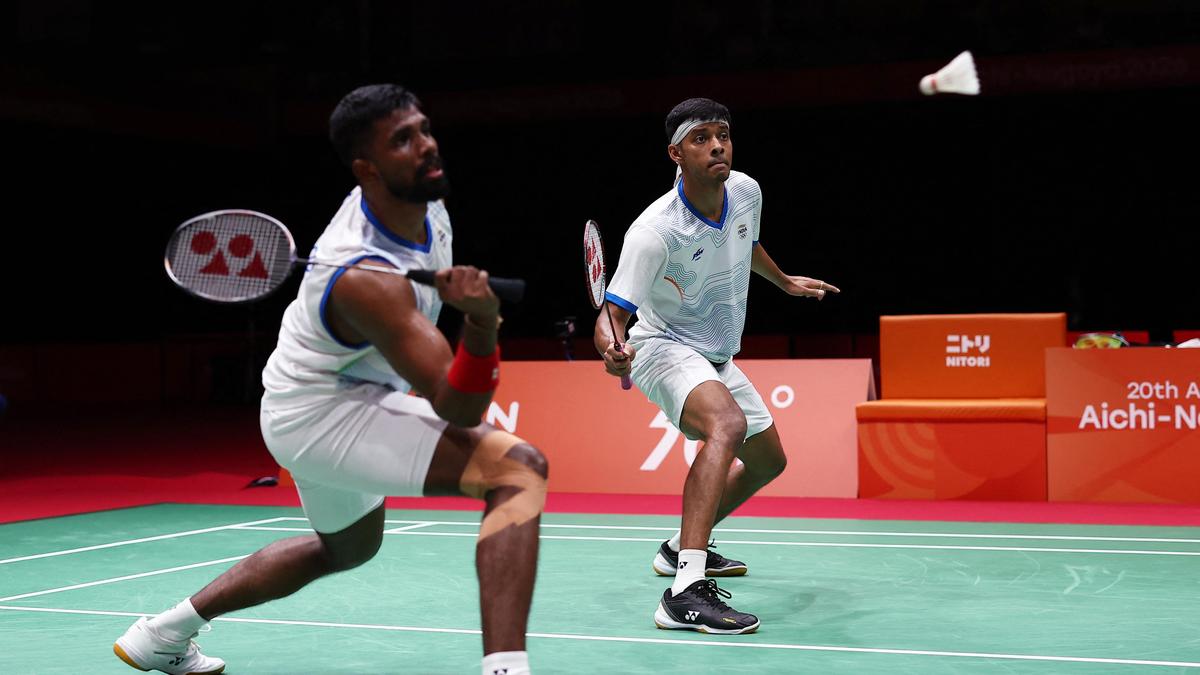
Gopichand emphasized that the move to a shorter scoring format will emphasize speed, power, and mental strength, especially during the closing stages of matches. He highlighted that players will need to focus on not only scoring points but also preventing their opponents from gaining the upper hand. Doubles players are expected to face a more significant impact due to the critical nature of each phase of the game.
**Challenges and Opportunities**
The coach expressed that the new format could potentially alter the game’s character, favoring faster exchanges over elaborate rallies. While some players may struggle to adapt, Gopichand believes that veteran Indian players like HS Prannoy and Kidambi Srikanth could benefit from the change. He acknowledged the need for India to develop a robust pipeline of talent in men’s doubles beyond the current top pair of Satwiksairaj Rankireddy and Chirag Shetty.
**Looking Ahead**
Gopichand noted the challenges in building a strong men’s doubles contingent in India, considering the vast number of independent players and academies in the country. He stressed the importance of creating systems that encourage players to explore doubles play, even if they excel in singles. The coach believes that the new scoring system will demand agility and quick decision-making from players, potentially leading to injuries if not managed effectively.
**Final Thoughts**
As badminton prepares for a tactical shift with the implementation of the 15×3 scoring system, Pullela Gopichand’s insights shed light on the potential impact on players and the sport as a whole. While some challenges lie ahead, the coach remains optimistic about the opportunities that this change could bring for Indian badminton. With a focus on adaptation and nurturing talent, India aims to navigate the evolving landscape of the sport successfully.
**The Evolution of Badminton Scoring Systems**
The upcoming transition to the 15×3 scoring system in badminton marks another chapter in the sport’s ongoing evolution. The shift signifies a broader trend within the realm of competitive sports, where governing bodies continuously explore ways to enhance fan engagement, streamline competition logistics, and optimize player performance. By condensing the scoring format, the Badminton World Federation aims to create a more dynamic and fast-paced experience for both players and spectators.
**Strategic Adjustments for Players**
With the impending change in scoring, badminton athletes will need to recalibrate their strategies and training regimens to align with the new demands of the game. The emphasis on speed, power, and mental fortitude in shorter matches underscores the importance of adaptability and resilience on the court. Players must hone their reflexes, agility, and decision-making skills to thrive in this evolving landscape, where every point carries amplified significance.
**Opportunities for Emerging Talent**
While established players like HS Prannoy and Kidambi Srikanth are poised to leverage their experience under the revised scoring system, there is also an opportunity for emerging talent to make their mark. The shift could pave the way for young doubles specialists to rise through the ranks and contribute to India’s competitive presence on the global badminton stage. By nurturing a diverse pool of players with proficiency in both singles and doubles, India can enhance its overall competitiveness in international tournaments.
**Balancing Tradition with Innovation**
As badminton navigates the intersection of tradition and innovation, Pullela Gopichand’s insights underscore the importance of preserving the sport’s core values while embracing progressive changes. The adoption of the 15×3 scoring system represents a strategic pivot that seeks to modernize the game without compromising its essence. By striking a balance between tradition and innovation, badminton can attract new audiences, enhance player development, and sustain its legacy as a beloved sport with a rich heritage.
**The Role of Coaching and Infrastructure**
In the wake of the scoring overhaul, coaching and infrastructure will play a pivotal role in shaping the future trajectory of badminton in India and beyond. Coaches like Pullela Gopichand have a unique opportunity to mentor and guide players through the nuances of the new scoring system, equipping them with the skills and mindset needed to excel in a more intense and condensed competitive environment. Additionally, investing in state-of-the-art training facilities, sports science resources, and talent identification programs will be crucial in nurturing the next generation of badminton stars.
**Embracing Change for a Brighter Future**
As badminton enthusiasts anticipate the rollout of the 15×3 scoring system, it is essential to approach this transformation with an open mind and a spirit of innovation. While challenges may arise during the transition period, the potential benefits of the new format far outweigh the initial hurdles. By embracing change, fostering talent, and cultivating a culture of adaptability, the global badminton community can look forward to a future marked by excitement, competitiveness, and enduring excellence. Pullela Gopichand’s reflections serve as a beacon of inspiration as players, coaches, and fans embark on this new chapter in the sport’s storied history.