
Amrabat Urges Ajax to Respond After Painful Hajduk Split Defeat
Sofyan Amrabat has called on Ajax to regain their confidence and work harder after a disappointing defeat to Hajduk Split in the Conference League. The Amsterdam club left the first leg empty-handed following a shaky start, missed opportunities and defensive errors—an outcome that left the midfielder frustrated but determined to look ahead.
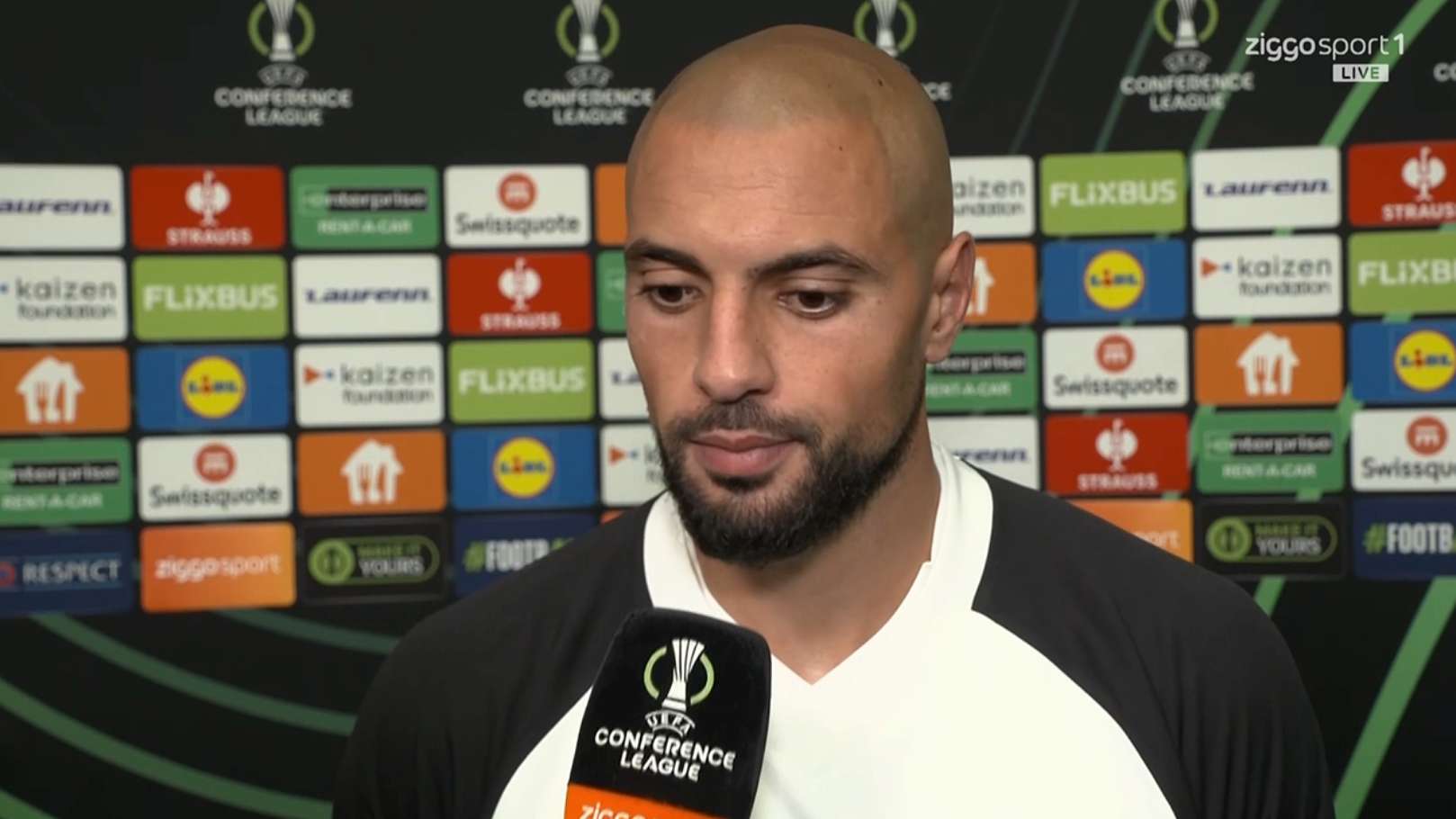
Speaking to Ziggo Sport after the match, Amrabat did not hide the scale of the disappointment. “Yes, of course this is very painful,” he said, acknowledging that Ajax had struggled to settle into the contest. Hajduk’s energetic pressing and the atmosphere created by the home crowd made it difficult for the visitors to establish control in the opening stages.
A missed early chance changed the mood
Ajax had an opportunity to take the sting out of the occasion in the seventh minute. Tolu Arokodare broke through on goal with a clear chance, but hesitation allowed the opportunity to slip away. For Amrabat, that moment was more than a missed shot: it was a turning point that could have changed the shape of the match.
“If you score that, it’s a completely different match,” he said. Ajax instead conceded after giving the ball away, compounding the frustration of failing to make their early opening count. Amrabat suggested that missed chances have become a recurring problem for the team, especially when matches are finely balanced.
That pattern is familiar to football supporters: a side can create a promising opening, fail to convert it and then find itself chasing the game after one costly mistake. While a single chance does not determine the result, taking opportunities early can quieten a home crowd and force opponents to adjust their approach. Ajax were unable to make that shift happen in Split.
Ajax found momentum, but could not hold it
Amrabat felt Ajax improved after the break. The visitors began to take more control, created chances and scored what he described as a good goal. For a period, the match appeared to be moving in their direction, with Ajax carrying greater attacking momentum.
That spell did not last. Amrabat said fireworks from the stands interrupted the flow of play and slowed the game down. He described the disruption as clever from Hajduk’s perspective because it broke up the rhythm Ajax had started to build. However, when reporter Wytse van der Goot pointed out that the score was already 2-1 when play was halted, Amrabat accepted the correction and resisted the temptation to blame the interruption for the result.
His response was measured: “I don’t think you should start pointing fingers either.” The comment reflected a broader point in his post-match assessment. Ajax may have faced a difficult atmosphere and disruptive moments, but Amrabat believes the team must focus on what it can control rather than search for excuses.
Amrabat backs Torrents after costly error
Jofre Torrents came under scrutiny for his role in the goal that made it 2-1, but Amrabat was quick to defend the young player. He described the moment as difficult for Torrents and stressed that the defender had been working hard in training. As it was his first match, Amrabat argued, the team should support him rather than single him out.
“We should have stepped up as a team to make it right for him, but we didn’t,” he said. That assessment places the responsibility on the group, not just the player involved in the mistake. In a demanding European fixture, defensive errors can be decisive, but a team’s response after conceding is equally important. Ajax were unable to recover collectively when they needed to.
The midfielder’s defence of Torrents also offered a reminder of the pressure young players face when making their first appearance in a high-stakes match. A difficult moment can quickly become the focus of post-match discussion, but confidence and support are essential if a player is to learn from it and contribute in future fixtures.
Luck is not an excuse, says Ajax midfielder
Amrabat acknowledged that Ajax have recently been on the wrong side of fine margins. He pointed to a major chance Heerenveen had against PSV the previous weekend, noting that such an opportunity might have been converted against Ajax, while PSV ultimately went on to win. His comparison was not intended to excuse his own side’s performance, but to highlight how small moments can influence results.
“Maybe it’s a bit of luck too,” he said, before making clear that luck cannot become a shield. Ajax, in his view, must do more to prevent matches from being decided by isolated incidents. Better concentration, sharper decision-making and a more ruthless approach in front of goal are all part of the response required.
That message matters for Ajax’s wider season as well as their European campaign. A difficult result can affect confidence, particularly when it follows other frustrating performances. But Amrabat rejected any suggestion that the team should give up or treat the setback as a verdict on the season. “The season is still long,” he said, urging his teammates to rebuild belief and put in the work.
What the result means for Ajax’s next steps
For supporters considering the next football prediction around Ajax, this defeat offers both warning signs and reasons to wait for a response. The team showed that it could create chances and build momentum after the interval, but its slow start, missed early opportunity and vulnerability after losing possession remain concerns. Those details will need attention before Ajax can consistently turn promising spells into results.
Amrabat’s post-match message was ultimately a call for accountability rather than blame. Ajax must improve as a unit, protect teammates after mistakes and approach upcoming fixtures with greater focus. “Wake up, because nothing has been decided yet,” he said, capturing the urgency he wants the squad to feel without losing sight of the long season ahead.
The defeat in Split leaves Ajax with difficult questions, but Amrabat believes the answer is straightforward: work harder, restore confidence and respond together. Whether that response arrives in the next match will be an important test of the team’s resilience—and of its ability to turn a painful European setback into a catalyst for improvement.