
Wesley Sneijder Questions KNVB’s Coaching Policies Amid Xavi’s Appointment to Dutch National Team
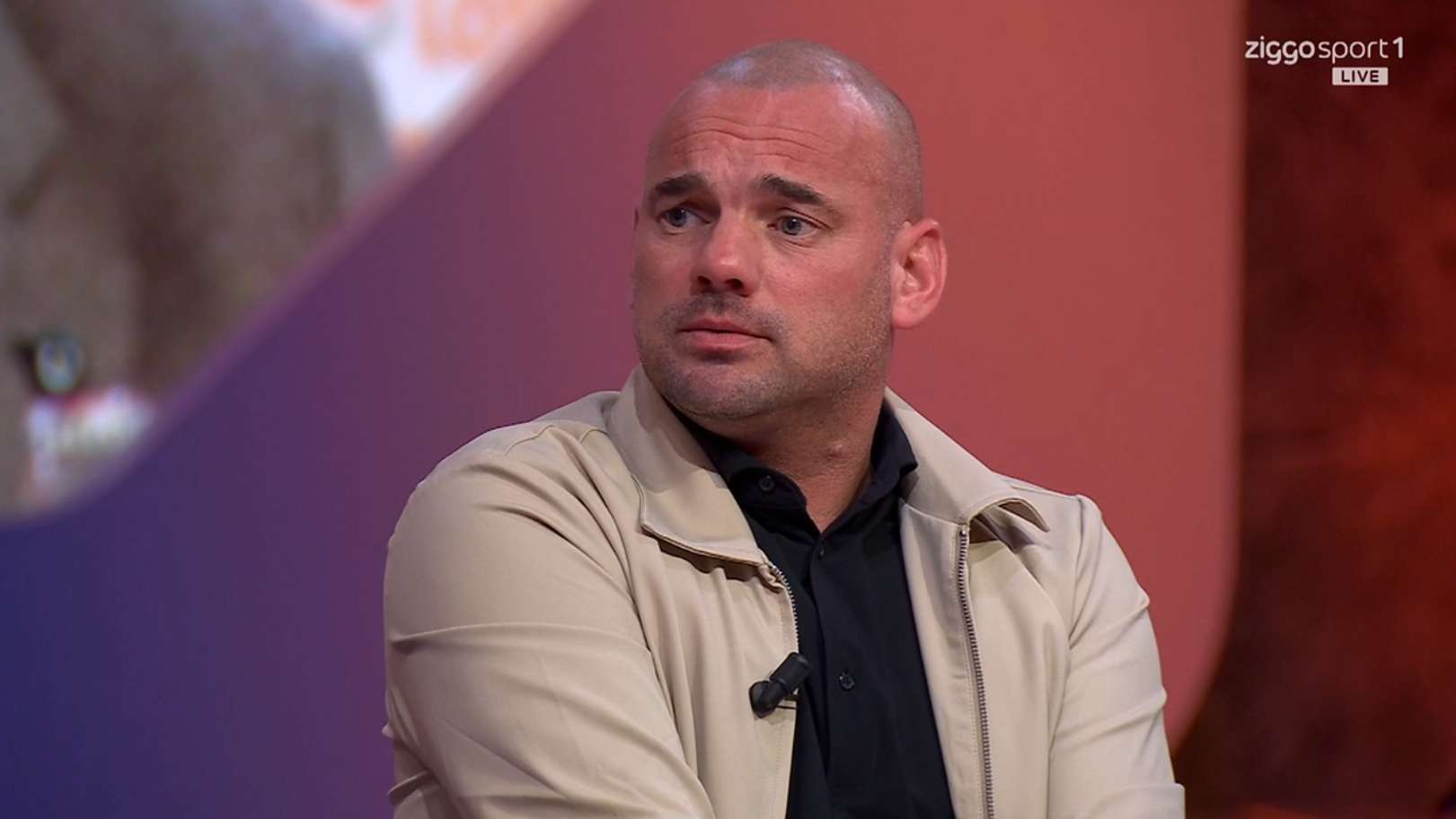
The football world is buzzing with debates over the recent appointment of Xavi Hernandez as the head coach of the Netherlands national team. While many fans and analysts applaud the decision, former Dutch football star Wesley Sneijder has voiced significant doubts and concerns about the KNVB’s (Royal Dutch Football Association) approach to coaching standards and development. His comments, made during an interview on Ziggo Sport’s Rondo program, shed light on deeper issues within Dutch football’s coaching policies and raise questions about the future direction of the national team’s leadership.
Sneijder’s Critique of the Coaching Certification Process
Wesley Sneijder, renowned for his illustrious football career and record as the Netherlands’ most capped international player, expressed his skepticism regarding the KNVB’s recent decisions concerning coaching qualifications. He emphasized that the association seems to be diverging from its previously established standards for coaching education, a shift that he finds both surprising and concerning.
“Well, I found it remarkable,” Sneijder stated, before elaborating on his perspective. “I’ve discussed with Nigel de Jong, among others, how we could shape coaching courses in a way that aligns with professional development and practical experience. At that time, the KNVB was very clear about the importance of comprehensive coach education.”
He further explained that the KNVB’s stance was once firm: accelerated coaching courses for national team coaches were no longer permissible, primarily due to UEFA regulations. “The accelerated route at the Netherlands national team was no longer an option because UEFA had set restrictions,” he noted. “Even with extensive experience working under top coaches, it wouldn’t qualify you for the fast-track coaching program. But now, that seems to be changing.”
Xavi’s Rapid Coaching Badges: A Cause for Concern?
The crux of Sneijder’s concern lies in Xavi Hernandez’s rapid acquisition of coaching badges. The Barcelona legend completed his A, B, and Pro licenses within just four weeks through the Spanish football federation, a feat that would be unthinkable under the KNVB’s standards. “Xavi has all the coaching badges,” Sneijder acknowledged, “but not through the Dutch federation’s usual process. The KNVB’s standards require a 4.5-year course, and that’s a significant difference.”
He expressed a sense of unease about the apparent inconsistency. “Earlier, the KNVB emphasized that every coach must follow the lengthy, comprehensive training program. Now, they’re making exceptions based on experience and working with top coaches, even if the formal certification process was bypassed,” Sneijder explained.
While he wishes Xavi well and respects his achievements, Sneijder finds the policy inconsistency puzzling. “I’d love to see a tailored, individualized approach to coaching development,” he said. “But it seems the KNVB wasn’t open to that kind of flexibility earlier, which makes this shift feel strange.”
Dissecting the KNVB’s Justifications
One of Sneijder’s main issues is with the KNVB’s explanation that UEFA regulations dictate these coaching standards. “What I find remarkable,” he argued, “is that the KNVB claims their policy is set by UEFA. That’s not entirely true.”
He pointed out that many countries have different policies regarding coaching qualifications, and the Netherlands has traditionally maintained high standards. “It’s not that other nations necessarily follow UEFA rigidly. Some countries have more flexible pathways, recognizing practical experience and achievements in the football world,” Sneijder added.
He went on to emphasize that he doesn’t oppose Xavi’s appointment, nor does he demand immediate changes. Instead, his concern centers around the consistency and transparency of the policies. “I’m not asking for an immediate overhaul,” he clarified. “But I do believe that the policy should be logical, fair, and adaptable to individual circumstances, especially for someone like Xavi, who has so much experience and success.”
Historical Context: Sneijder’s Own Experience with Coaching Education
Wesley Sneijder’s critique is rooted in his own experiences with coaching education. In 2021, Sneijder personally paused his coaching course after disagreements with the KNVB over the curriculum’s relevance and content. He argued that the standard program did not adequately recognize the practical knowledge and leadership qualities he had gained during his playing career.
“I understand the need to learn and formalize coaching skills,” Sneijder remarked at the time. “But it’s absurd to suggest that former players like me lack experience or don’t deserve tailored programs. We’ve worked with the best coaches and have a deep understanding of the game.”
This clash highlighted a broader tension within Dutch football — balancing formal certification with practical experience and talent recognition. Sneijder’s stance has always been that coaching pathways should be flexible, especially for seasoned professionals who transition into coaching roles.
Implications for Dutch Football and Future Predictions
The debate surrounding coaching standards is more than academic; it has tangible implications for the future of Dutch football. As the Netherlands seeks to regain its status as a top-tier football nation, leadership and coaching quality are critical factors.
Many experts believe that a more flexible approach to coaching education could foster innovation and attract talented former players into coaching roles, thereby enriching the national team’s tactical diversity. Conversely, rigid standards risk creating a disconnect between practical experience and certification, potentially limiting the pool of qualified coaches.
Regarding predictions, the appointment of Xavi as the Netherlands coach signals a shift toward valuing international experience and playing philosophy. His recent rapid certification might serve as a test case for the KNVB’s evolving policies. If the Dutch football federation continues to prioritize formal certifications over experience, it could face criticism from former players and industry insiders who advocate for a more pragmatic approach.
Expert Opinions and Broader Trends in Football Coaching
The ongoing debate about coaching qualifications is not unique to the Netherlands. Across Europe and beyond, football associations grapple with balancing standardized accreditation with practical knowledge. Some countries, like Spain and England, have increasingly recognized the value of on-field experience and tailored coaching pathways.
Football pundits and analysts suggest that the future of coaching lies in hybrid models—combining rigorous certification with mentorship, practical experience, and individual talent. This approach could ensure that coaches are not only knowledgeable but also adaptable, innovative, and capable of leading top-level teams.
Conclusion: Navigating Policy and Passion in Dutch Football
Wesley Sneijder’s outspoken critique of the KNVB’s coaching policies underscores a broader conversation about fairness, expertise, and the future of football leadership in the Netherlands. While the appointment of Xavi offers exciting prospects, it also prompts reflection on the standards and pathways that define coaching success.
As Dutch football continues to evolve, stakeholders must consider how to balance formal qualifications with real-world experience to cultivate a new generation of innovative, effective coaches. Whether the KNVB will adapt its policies remains to be seen, but one thing is clear: the dialogue about prediction, coaching standards, and football excellence is more relevant than ever.
In the end, the sport’s progress depends on ensuring that coaching decisions are rooted in both tradition and adaptability—an approach that could ultimately elevate Dutch football to new heights on the international stage.