
PV Sindhu, Mirabai Chanu Among 10 Elected Unopposed to IOA Athletes Commission
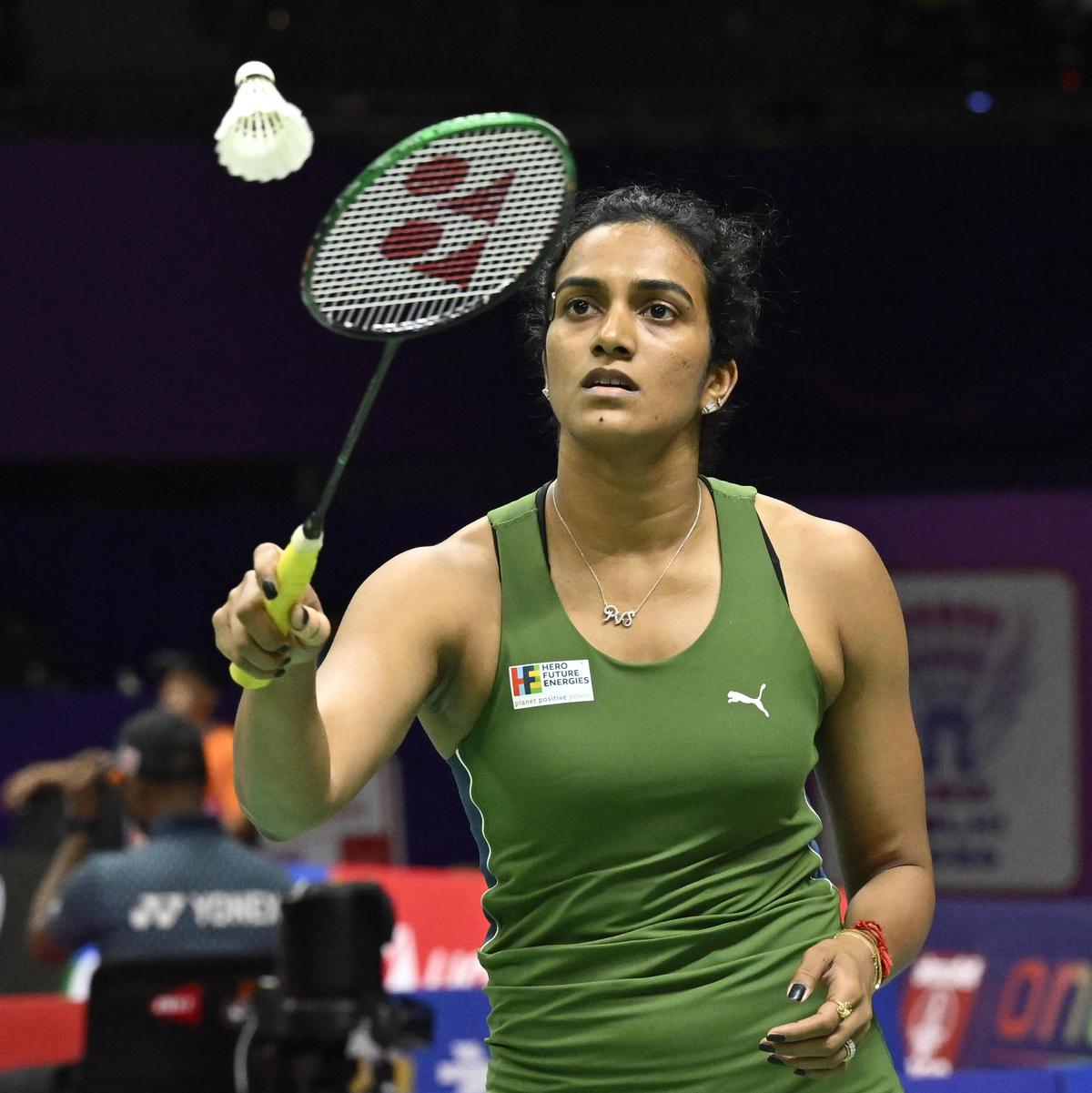
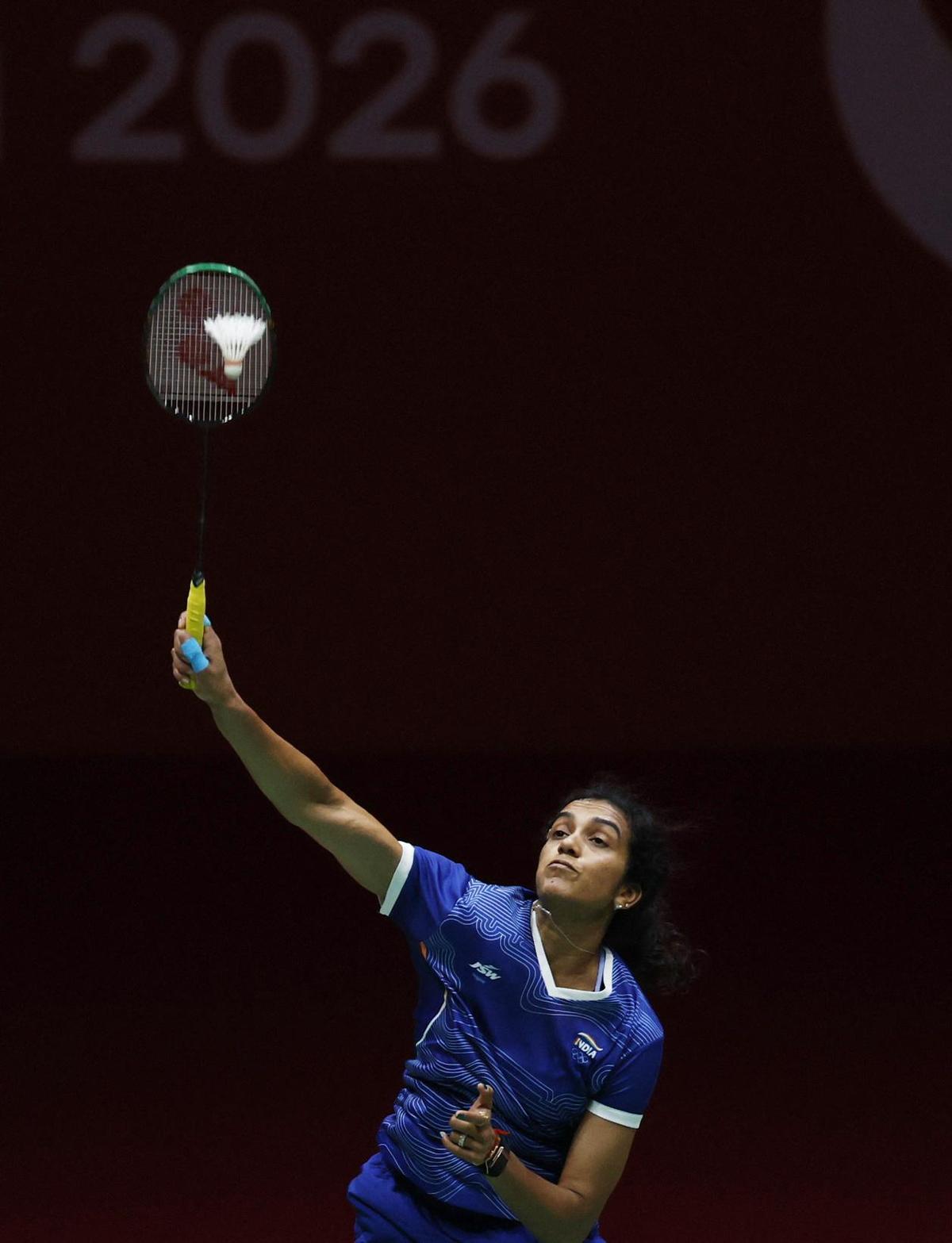
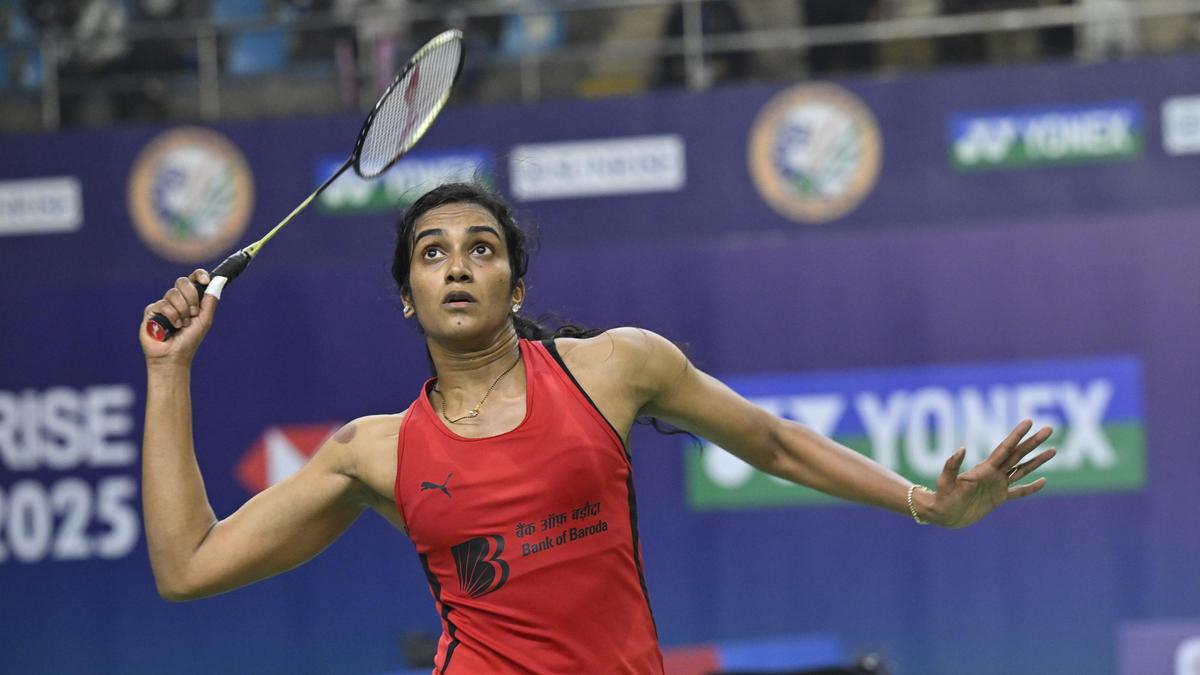
Olympic medallists PV Sindhu and Mirabai Chanu are among 10 athletes elected unopposed to the Athletes Commission of the Indian Olympic Association (IOA), strengthening the voice of competitors in the country’s Olympic administration.
The returning officer, Sanjay K. Srivastava, announced the results on Tuesday after the number of candidates fell to match the 10 available seats. The commission will have equal representation of five men and five women, bringing together athletes from a range of sports, including badminton, hockey, weightlifting, shooting and athletics.
Withdrawals clear the way for an uncontested result
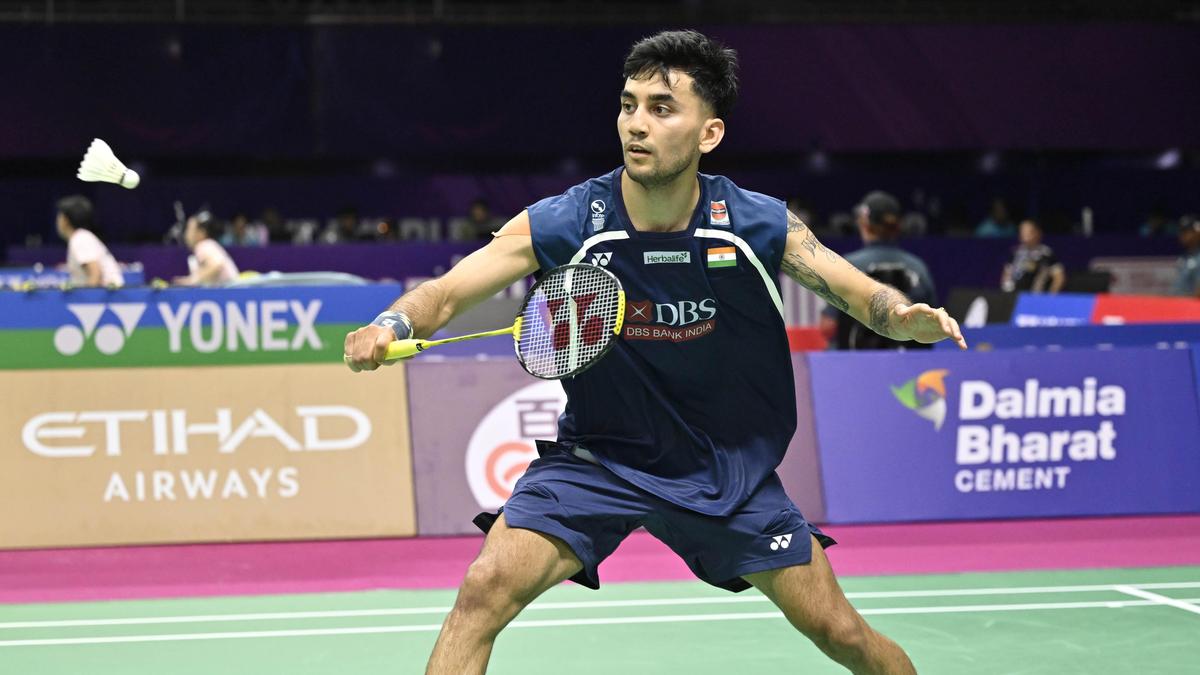
Voting was not required after former track and field athlete Sudha Singh withdrew her candidature late on Monday night. Badminton star Kidambi Srikanth had also pulled out of the race earlier on Monday. With both withdrawals, 10 candidates remained for 10 positions, allowing all of them to be declared elected without a ballot.
The successful candidates are badminton player PV Sindhu, weightlifter Mirabai Chanu, hockey players Harmanpreet Singh and Salima Tete, shooter Swapnil Kusale, fencer Bhavani Devi, shot putter Tajinderpal Singh Toor, archer Bombayla Devi, swimmer Sajan Prakash and athlete Manjeet Singh.
The group’s sporting range is significant. Its members have experience across individual and team events, summer Olympic disciplines and different stages of elite competition. That breadth could help the commission bring varied perspectives to discussions about athlete welfare, training conditions, competition schedules and the support available to Indian competitors.
Why the IOA Athletes Commission matters
An athletes commission is intended to provide competitors with a formal channel to contribute to the decisions and policies of a national Olympic body. Athletes are directly affected by issues such as selection procedures, access to facilities, medical and mental-health support, safeguarding, anti-doping rules and the demands of international competition. Their representation can help ensure those topics are considered from the perspective of people who compete.
The IOA commission also has a defined role in the association’s governance. Its chairperson and vice chairperson—one man and one woman—will become members of the IOA Executive Council. In addition, two commission members, also one man and one woman, will join the IOA General Body with voting rights.
Those positions give athlete representatives a route to participate in formal discussions and decisions, rather than limiting their contribution to consultation. The representatives will also take part in the IOA Executive Council elections scheduled for December 5, acting on behalf of the Athletes Commission.
Leadership elections still to come
Although the 10 commission members have been confirmed, the commission’s leadership and its representatives to the General Body have not yet been chosen. Elections for the chairperson, vice chairperson and the two voting representatives will be held at a later date.
The choice of those office-holders will be an important next step. The chairperson and vice chairperson will carry athlete perspectives into the Executive Council, while the two General Body representatives will have voting rights within the IOA’s wider membership. Together, these roles will determine how effectively the commission can communicate athletes’ concerns and contribute to governance.
Representation across sports and generations
The new members bring high-level experience from different sporting environments. Sindhu, one of India’s best-known badminton players, has competed at the highest level of international badminton. Her inclusion places a prominent racquet-sport athlete on a body that can address the needs of players navigating demanding global calendars, travel, recovery and performance expectations.
Chanu’s Olympic experience in weightlifting, alongside the international backgrounds of the other members, adds further insight into the pressures faced by athletes in sports with different qualification pathways and competition structures. Hockey representatives Harmanpreet Singh and Salima Tete bring perspectives from a team sport, where preparation and performance depend on squad-wide systems as well as individual development.
The commission’s membership also includes athletes from shooting, fencing, athletics, archery and swimming. This mix matters because the practical challenges confronting competitors are not identical. Some athletes depend on specialised equipment and access to training venues; others must manage team selection, frequent travel or a tightly packed international calendar. A diverse commission can help identify common concerns while recognising sport-specific needs.
A platform for athlete input
The unopposed election settles the composition of the commission, but its influence will depend on what happens next. Members will need to build clear channels for gathering feedback from athletes beyond their own sports and to turn those concerns into constructive proposals. Regular communication, transparent processes and follow-up on issues raised will be central to establishing trust.
For Indian sport, the appointment of experienced competitors to the IOA Athletes Commission offers an opportunity to place athlete voices more firmly within the country’s Olympic administration. The upcoming elections for the commission’s senior roles will determine who carries that responsibility into the Executive Council and General Body.
With Olympic medallists, established international performers and representatives from a broad range of disciplines now on the commission, attention will shift from the uncontested result to the body’s work. Its effectiveness will ultimately be measured by whether athletes’ experiences help shape decisions that affect competition, preparation and wellbeing across Indian sport.